
Riders, commuters back motorcycle taxi cleanup
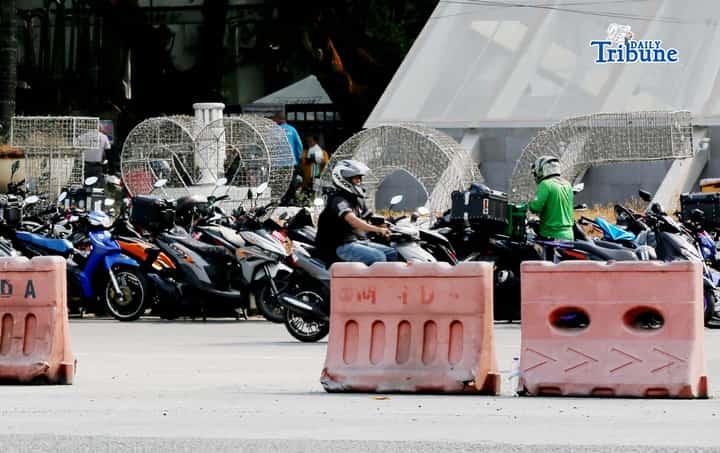
(April 17 2026) Motorcycles are parked at the entrance of the Quezon Memorial Circle in Quezon City as motorcycle taxi and delivery riders claim their P5,000 from Department of Social Welfare and Development (DSWD) personnel during a special payout schedule for unclaimed cash relief assistance on Friday April 17 2026. Photo/Analy Labor
The Motorcycle Taxi Riders Organization (METRO) and commuters represented by consumer advocacy NGO Digital Pinoys expressed their full support to the Department of Transportation (DOTr) and the Land Transportation Franchising and Regulatory Board (LTFRB) to clean up and professionalize the motorcycle taxi industry.
"Linisin muna ang industriya bago baguhin ang rules. Alamin muna kung sino ang mga tunay na lehitimong rider bago pag-usapan kung paano palalawakin ang sistema," METRO said in a statement.
"The debate is being framed as a choice between rider freedom and government regulation. It is not. This is about accountability. Regulations may evolve, but accountability must remain constant," it added.
Before removing rider caps or changing multihoming rules, METRO emphasized that the government must first know how many were legitimate riders in every platform, who are authoritized to ply a route, and whose on onboard in excess of what the government allowed.
"These questions became more serious amid discrepancies in rider lists for government assistance—including whether approximately P700 million to P1 billion in fuel subsidies may have been released to unauthorized or colorum riders onboarded beyond government-allocated caps," the group pointed out.
"Ang ayuda ng gobyerno ay pera ng taumbayan, kaya kung taxpayer ka, damay ka dito. Every peso should go to a qualified beneficiary–or to other government programs that can help Filipinos in need. Ang bawat ghost rider sa listahan ay maaaring isang Pilipinong nawalan ng ayuda o legal na rider na nawalan ng hanapbuhay," the group added.
METRO called on the government to maintain rider caps while cleaning up the industry, and hold off on multihoming for now while it remains unclear who and how many the legitimate riders actually are.
The group said riders are not target of this regulation, but rather it protects them.
"This is not a permanent restriction. We support rider choice and competition. But first, government must establish the real numbers and hold accountable those who violated the rules," the group explained.
"Cean-up first, then reform after. Hindi puwedeng ang solusyon sa paglabag ay baguhin ang rules para mawala ang pananagutan. Ang sumunod sa rules, hindi dapat dehado. Ang lumabag, hindi dapat gantimpalaan. That is fair competition: same rules and enforcement for all; no special treatment," it added.