
Japanese canteen-style gyudon house opens in BGC


If, in the Philippines, we have the lugawan or paresan where diners don’t mind standing up as they sip their bowls of lugaw (rice porridge) or pares (beef soup) empty, in Japan, they have the shokudo or teishoku-ya, sidewalk or casual dining spots where there are only stools, or no seats at all, for diners to eat ramen or sushi.
Luckily, we no longer have to wait until our next travel to experience Japanese canteen-style dining. Carrying the same casual dining concept is Gyudonya, a new gyudon place in the Japanese-themed mall Mitsukoshi in Bonifacio Global City (BGC), Taguig City.
Also known as gyumeshi, gyudon is a Japanese dish where a bowl of rice is topped with beef and onion, simmered in a mildly sweet sauce flavored with soy sauce, dashi and mirin.
“Gyudon is a daily staple for a lot of Japanese and actually, a lot of Filipinos enjoy gyudon already,” Gyudonya chef Francis Lim told DAILY TRIBUNE.
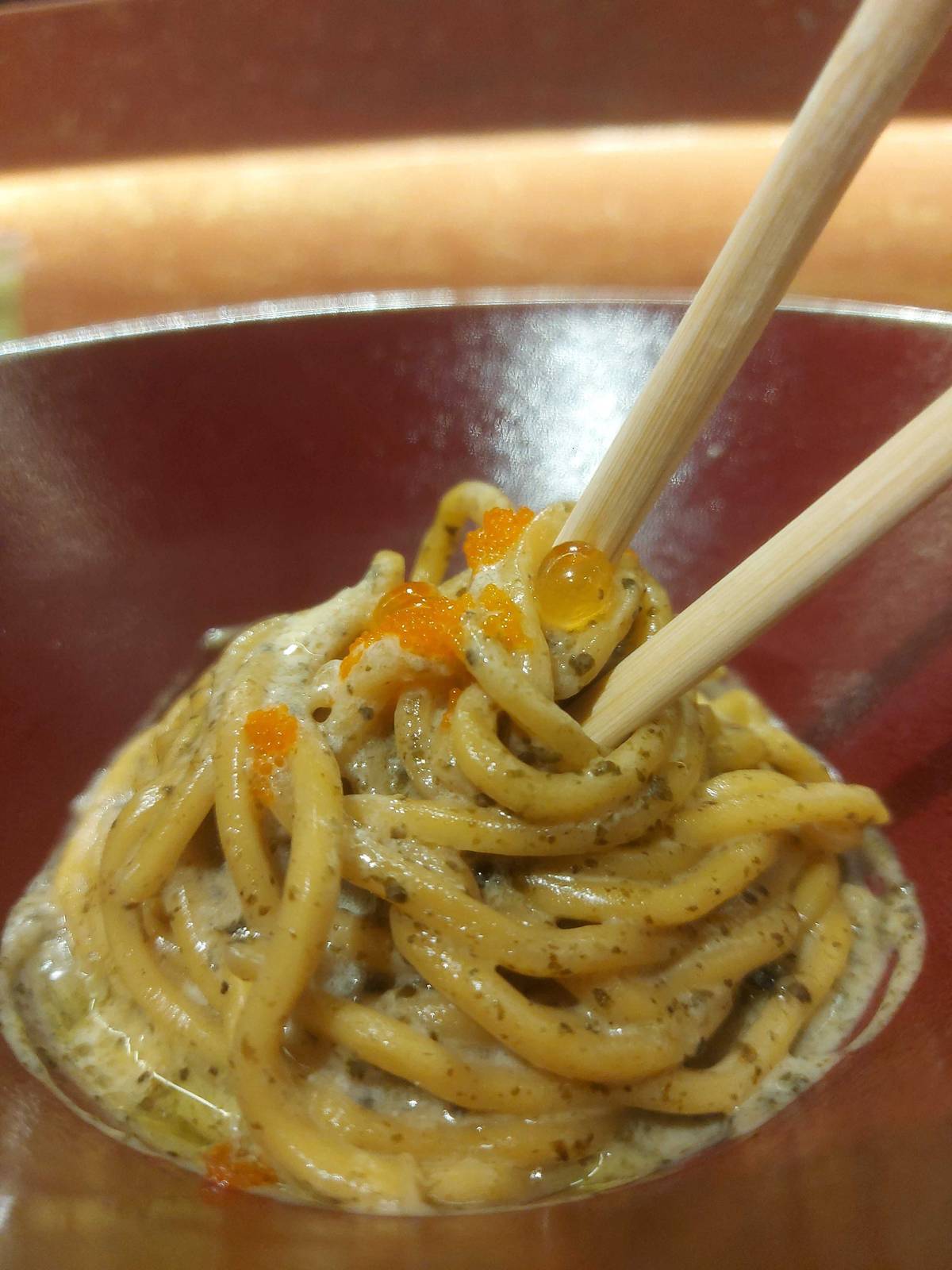
Nori Butter Pasta
Gyudonya, which literally means “House of Gyudon” or “A house that makes beef bowls” (“ya” means “house” in Japanese), serves “elevated version of gyudon” and “not just beef and rice,” according to the chef.
“We have different flavors of it. We have spicy, truffle, butter garlic and instead of the usual nori, we have like a twill that’s flavored either with nori or chili or togarashi. We also serve it with an onsen (slow-cooked) egg and we can actually serve it on a steel pot so they can enjoy the rice with a nice crust below,” explained the chef, who designed the menu based on the concept of Richard and Maxine Sanz of Senshin Hospitality Group, which is also behind the Japanese dining concept Katsudonya Saiko.
“Senshin Hospitality Group focuses on one single product and masters that,” Richard, the restaurant group’s chief executive officer, said on why their company decided to lock into gyudon this time after katsudon for Katsudonya Saiko.
“Our market is the mid-market, foodies, BGC residents, families,” he said of the restaurant that sits only 18 to 20 people. “We wanted to imitate the Japanese experience of small seating, serving the same thing over and over again every day. So for us, it gives us time to perfect these items if it’s a small venue.”
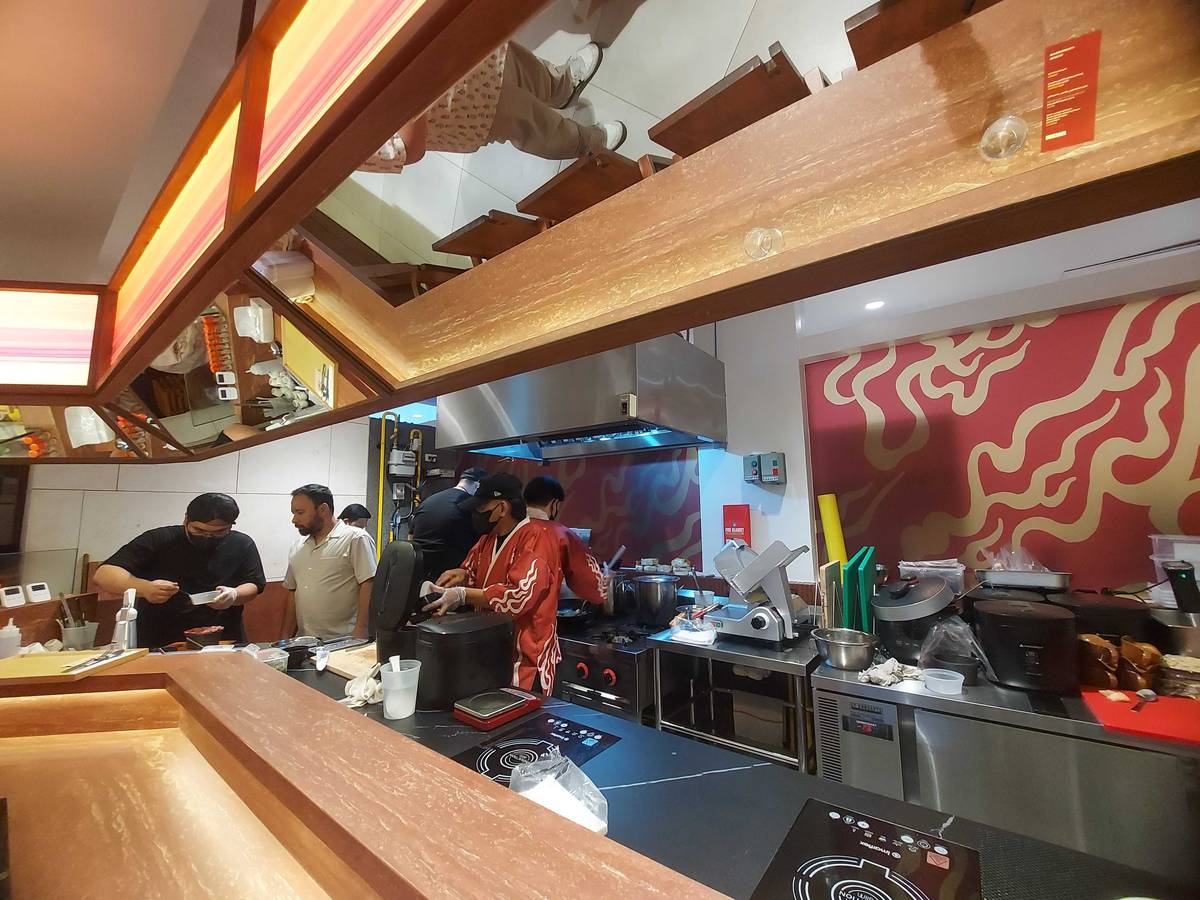
Open-kitchen concept.
EAsked why they opened their first store at Mitsukoshi, he said: “We have a good relationship with the mall, so we decided to launch our new concept here.” He, however, is hoping to open in bigger spaces for their next branches in Nuvali and Makati, so more people could experience their gyudon.
“We bring refined Japanese culinary techniques and elevated executions into the everyday bowl,” he said. “We are a specialist restaurant focusing entirely on beef bowls, exploring the many ways beef can be enjoyed with rice through slow-simmered gyudon, fire-simmered steak bowls and slow-braised hayashi… So different techniques, different types of meat, done Japanese in a proper way.”
Good beef, Chef Francis noted, is really the secret behind a good bowl of gyudon. “Here, we carefully selected what beef we’ll be using. It’s not just any beef. We’re particular with the country of origin. We tried everything until we’re really able to feel and see what the experience would be like for our consumers.”
Sanz shared that their striploin, sirloin, ribeye and wagyu cheeks beef come from Australia, Japan and the US. “We make our own compound butters and we use fresh ramen noodles. We also make our own nori twill and furikake. We make them here but all ingredients are from Japan. We have Japanese consultants who help us in training our staff.”
According to Lim, they slice the beef “fresh” and “on-the-spot” for every order. “Usually we have US beef, Japanese beef… but the sauce, we brew it for a long time, for half a day, then we add the flavor profile — either truffle or butter garlic.”
Except for the Beef Hayashi – which is somewhat like a beef curry — everything on the menu could be ordered any time of day and do not come in limited quantities, unlike in ramen houses, for instance, where only 100 or 200 bowls are served per day.
“We’re targeting only 30 to 40 bowls per day because it takes so long to cook also — the stew,” Chef Francis explained why only the Beef Hayashi is limited. “And we don’t want to cook a lot, like a big batch, to forgo the quality.”