
Clerics warn against men in dresses on Independence Day
Intervention was ‘an effort to prevent the covert campaign of the Lesbian, Gay, Sodomy and Obscenity movement.’
JAKARTA, Indonesia (AFP) — Indonesia’s top Islamic clerical body has warned men not to wear “women’s clothing” for Independence Day festivities despite a long-standing tradition of men in dresses playing football as part of the annual fun.
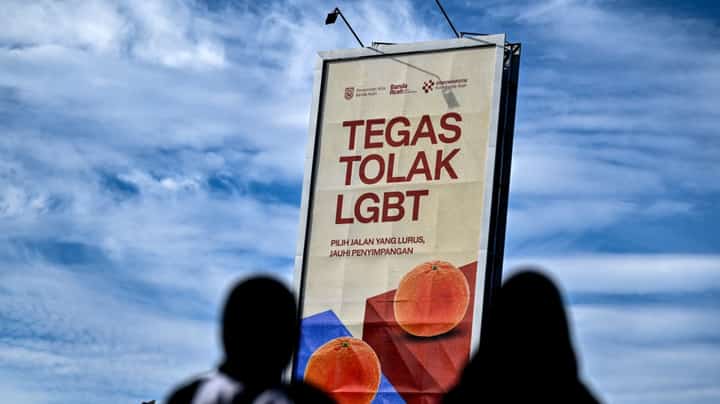
Amid a rising tide of anti-LGBTQ sentiment in the Muslim-majority Southeast Asian nation, the influential Indonesian Ulema Council (MUI) said in a statement such behavior was “haram” or forbidden.
The MUI said its intervention was “an effort to prevent the covert campaign of the Lesbian, Gay, Sodomy and Obscenity (LGSO) movement” -- the acronym it promotes as an alternative to LGBT for Lesbian, Gay, Bisexual and Transgender.
Each year, Indonesians engage in games and parades to celebrate the nation’s declaration of independence on 17 August 1945 from centuries of colonization.
Across the vast archipelago, citizens take part in tugs of war, sack races and cracker-eating contests, clamber up greased poles and attend colorful float parades.
In some communities, men put on dresses and hijab to play football, a tradition widely seen as comical and not a statement on gender identity. Men sometimes also dress up to take part in independence parades.
But in last week’s statement, the MUI’s Fatwa Commission said “the rise of deviant actions such as male participants in women’s clothing... is considered to have led to violations of sharia and social norms.”
The warning also goes for women dressing as men.
It is not the first time the MUI has spoken out against gender-bending attire, but its latest warning came amid rising fear following a spate of physical attacks on gay people and a presidential regulation classifying “LGBTQ culture” a security threat.