
How Yin and Yang can transform your home’s energy


When people think of creating a better home, they often picture expensive renovations, designer furniture, or the latest décor trends. But according to the ancient practice of feng shui, one of the most important ingredients of a harmonious home isn’t something you can buy — it’s balance.
At the heart of feng shui is the concept of yin and yang, two opposing yet complementary forces that influence the energy of every space. Rather than focusing solely on aesthetics, this philosophy encourages homeowners to create environments that feel both calming and energizing, making a house more comfortable to live in.
For property owners, understanding this balance can offer a fresh perspective on how thoughtful design, natural light, landscaping and everyday living contribute to a home’s overall atmosphere.
Designing homes that feel alive
In feng shui, every home contains both yin and yang energy. Yin represents qualities such as stillness, darkness, rest and quiet, while yang embodies brightness, movement, warmth and activity. Neither is considered better than the other — instead, a healthy home allows both to coexist in harmony.
Because homes are spaces for everyday life, they naturally benefit from having slightly more yang energy. Sun-filled rooms, fresh air, active family spaces, thriving indoor plants and even the cheerful presence of pets all help create a lively environment that supports daily living.
But balance remains essential.
A home flooded with harsh light, constant noise, or visual clutter may feel overstimulating and stressful. On the other hand, spaces that are perpetually dark, damp, or unused can feel stagnant and uninviting. Feng shui suggests that both extremes can affect how comfortable and welcoming a property feels.
Instead of aiming for perfection, the goal is to create a home that feels balanced —where active spaces inspire energy and quieter areas encourage relaxation.
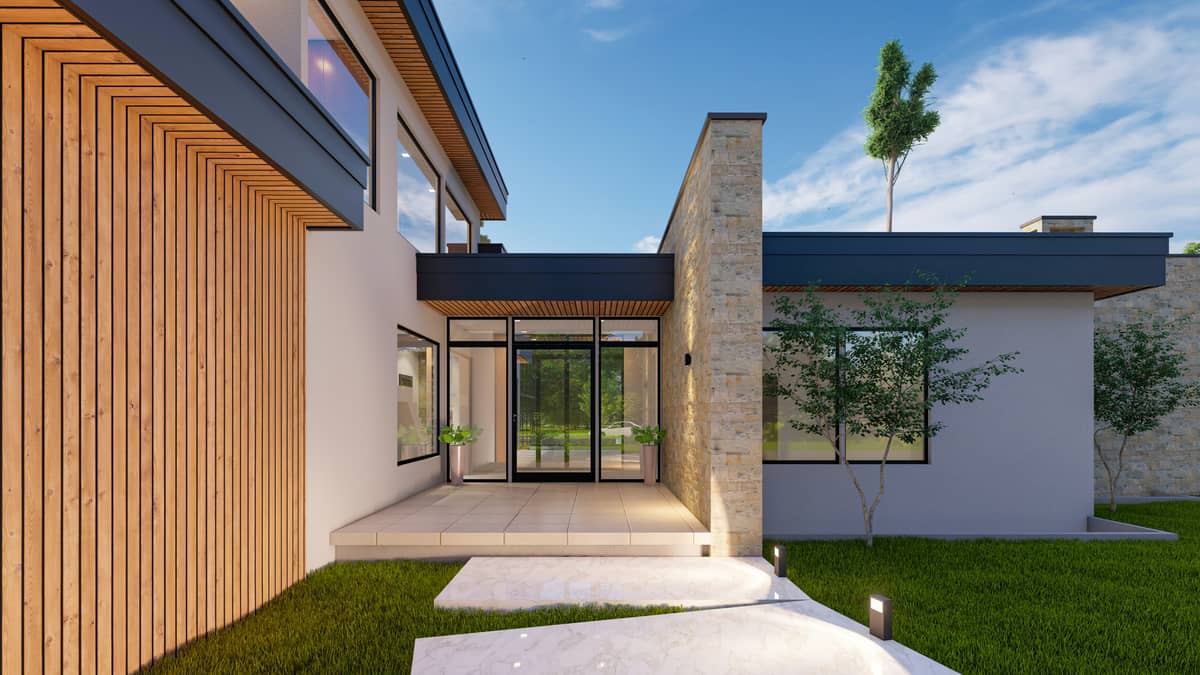
In feng shui, yin represents calm and rest, while yang embodies light and energy
PHOTOGRAPH COURTESY OF UNSPLASH
Property’s environment matters
Feng shui considers not only the interiors of a home but also the land on which it sits. Outdoor spaces play an important role in shaping the energy that enters the property.
A flat, empty yard may feel static, while the addition of trees, flowering plants, decorative rocks, or layered landscaping introduces movement and visual interest. Homes exposed to intense afternoon sun can benefit from strategically-placed greenery that provides shade and creates a cooler outdoor environment.
Water features, such as fountains or ponds, are also commonly incorporated to encourage the smooth flow of energy, while landscape lighting helps maintain warmth and activity after sunset.
These design elements aren’t simply decorative — they also enhance curb appeal, improve outdoor comfort and make the property more enjoyable for everyday living.
Small changes can make a big difference
Creating a balanced home doesn’t necessarily require major renovations.
Simple improvements such as opening windows to welcome fresh air, maximizing natural daylight, adding healthy indoor plants, or arranging furniture to improve movement throughout a room can significantly change how a space feels.
Likewise, homeowners who find their interiors too busy or stimulating may benefit from introducing softer lighting, warmer textures, muted colors, or cozy reading corners that encourage rest and relaxation.
These subtle adjustments help create distinct zones within the home, allowing active family spaces and peaceful retreats to coexist naturally.
Let nature guide your home
One of feng shui’s enduring principles is that homes should adapt to the changing environment.
During rainy seasons or extended periods of cloudy weather, interiors may naturally feel heavier or quieter. Adding warm lighting, opening curtains whenever possible and keeping living spaces active can help brighten the atmosphere.
Conversely, during the hot summer months — particularly in tropical climates like the Philippines — cooling strategies such as improved ventilation, shaded windows, ceiling fans and calming color palettes can make interiors feel more comfortable while tempering excessive heat and brightness.
Rather than maintaining a static design year-round, homeowners are encouraged to make small seasonal adjustments that keep their spaces feeling balanced and welcoming.
Whether viewed through the lens of feng shui or modern home design, balance remains a timeless principle in creating comfortable living spaces.
A well-designed property isn’t defined solely by its size or finishes, but by how it makes people feel every day.