
Burnham Lake to reopen in September amid rehabilitation concerns

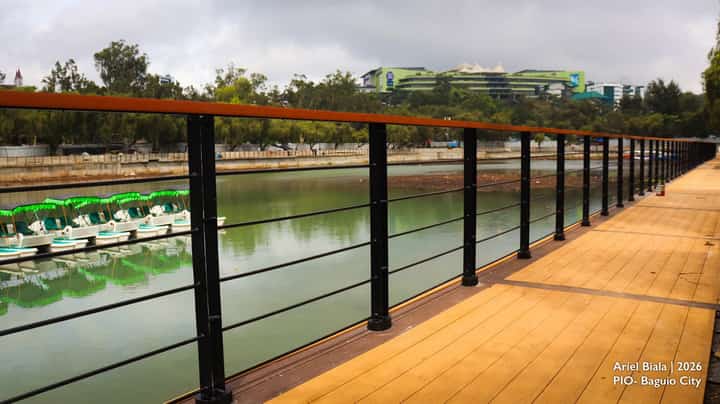
BAGUIO CITY — Burnham Lake is set to reopen on 1 September, but some Baguio residents and environmental advocates are questioning whether the P400-million rehabilitation project adequately addressed the lake's long-term ecological health.
The rehabilitation, funded by the Department of Public Works and Highways through the national budget, began in early 2023 to improve the structural integrity and tourism appeal of Burnham Park's iconic lake.
The project was awarded to the joint venture of Dungan Constructors & Trading Corporation and Moment Diagram Builders under the supervision of the Baguio City government led by Mayor Benjamin Magalong.
Initial works focused on structural repairs and site improvements, including the construction of a sunken garden, reinforced concrete perimeter covers, and upgraded pedestrian walkways to improve public access and viewing areas.
However, an open letter circulated on social media urged Mayor Magalong and the project contractors to address what critics described as shortcomings in the rehabilitation.
The group argued that the project emphasized cosmetic improvements while overlooking key environmental measures needed to restore the lake's ecosystem.
Among their concerns was the absence of a comprehensive lake bed management plan, saying the project did not include a stabilized substrate layer of sand, gravel, and rocks needed to support freshwater plants and aquatic life.
Critics also claimed no industrial-grade filtration or mechanical aeration systems were installed. They warned that without continuous water circulation and filtration, the man-made lake could become vulnerable to stagnant water, foul odors, and algae blooms.
The group likewise questioned the extensive use of concrete around the lake, saying a more natural landscape would better support the ecosystem while reducing the risk of litter and water pollution.
According to the concerned residents, many of these observations and recommendations had already been raised before and during the implementation of the project.
They urged the city government and contractors to consider installing filtration systems and proper substrate layering before the lake reopens, while also calling for greater transparency on the facility's long-term maintenance plan.