
Iconic firm losing import wars


Nosy Tarsee’s reliable business mole said one of the last homegrown names still making things on Philippine soil is quietly bleeding out, and the balance sheet is starting to tell on its face.
The diversified manufacturer — a fixture in appliances and building systems for generations, the kind of company your grandparents trusted before anyone had heard of the imported brands crowding the mall showrooms — is caught in a pincer it can’t seem to wriggle out of.
On one side: shoppers simply aren’t buying as many big-ticket home appliances as they used to, especially the cooling units that used to be the bread and butter of the brand.
On the other: warehouses are stuffed fuller than ever, stockpiling up faster than it can be moved, tying up cash the company badly needs elsewhere.
Insiders whisper that the shortfall traces straight back to the flood of cheaper imported units, the ones assembled somewhere else, shipped in fully built, undercutting local production on price at every turn.
It’s the same story playing out across what’s left of Philippine manufacturing: the guys who still bother building things here are getting squeezed by the guys who just bring things in.
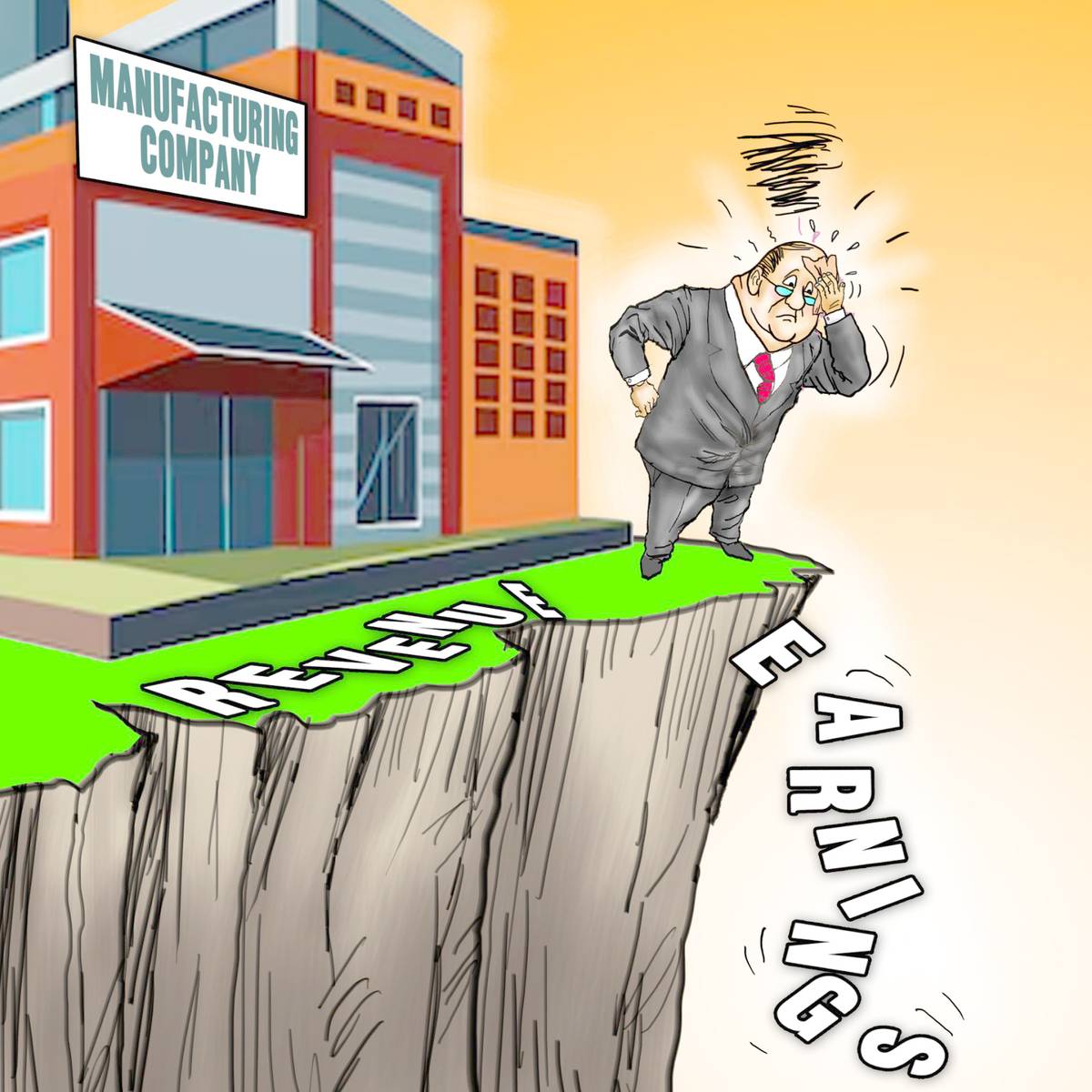
The commercial and services side of the business, think big installations, long-term contracts, the unsexy stuff that doesn’t show up in a showroom, has actually been propping the whole ship up, keeping the topline from cratering the way the consumer division alone would suggest.
But here’s the catch: that kind of business takes forever to collect on. Bills get sent, and sent again, and the cash trickles in months later if you’re lucky, while logistics costs and financing charges chip away in the meantime. So even as the top line looked merely bruised, everything underneath it — the actual profit, the actual cash in hand — took a serious beating.
The drop-off at the bottom line was wildly out of proportion to what happened at the top. Earnings fall off a cliff while revenue merely stumbled down the stairs.
The question Nosy Tarsee keeps hearing whispered in the aisles of industry conferences: how much longer can a legacy manufacturer keep absorbing this kind of squeeze before something more drastic, a plant closure, a pivot away from manufacturing altogether, a takeover whisper, becomes the sad story.