
Your new favorite third place might just be a Café
As the lines between work, leisure and social life continue to blur, cafés are quietly becoming one of the most important public spaces in modern urban living.

According to sociologist Ray Oldenburg in The Great Good Place, a "third place" is a space outside of home and work where people can gather, stay for as long as they like and build a sense of community.
He describes these places as a "home away from home"—welcoming, accessible and free from the pressure of obligation. Traditionally, these included parks, libraries, neighborhood pubs and community centers.
Today, however, cafés are increasingly taking on that role. According to research from the Project for Public Spaces and discussions on the importance of third places, these environments help foster social connection and improve overall well-being.
In the Philippines, that idea feels more relevant than ever. Between traffic-filled commutes, hybrid work setups and hectic schedules, people are looking for spaces where they can slow down without needing to stay home or head back to the office. Cafés have quietly become that sweet spot — a place where students can review for exams, freelancers can finish deadlines, friends can catch up over coffee, or anyone can simply enjoy a few hours of peace.
Unlike home, cafés don't come with household chores or responsibilities. Unlike the office, they don't demand constant productivity. That's what makes them feel different. You can stay because you want to, not because you have to. That freedom is exactly what makes today's café culture feel less about caffeine and more about community.
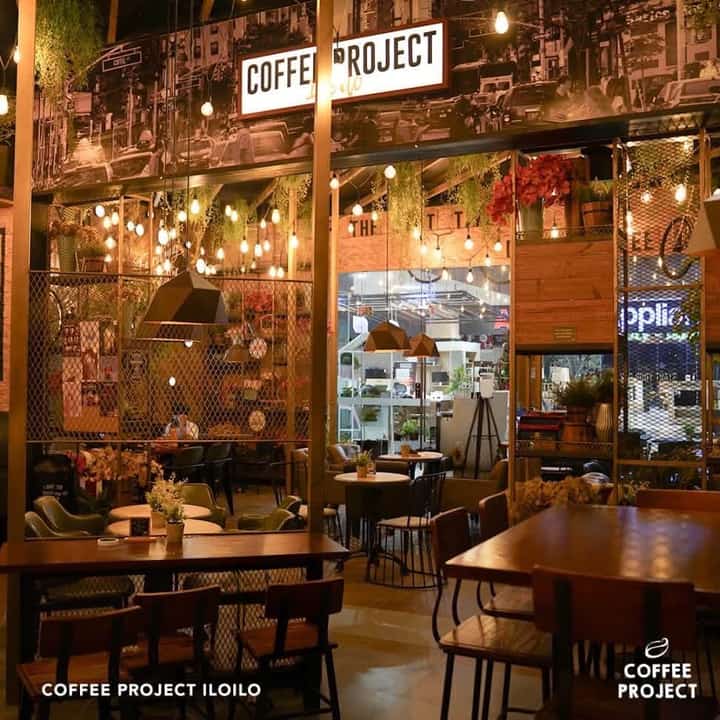
This shift can be seen in café concepts like Coffee Project, Dear Joe and Napa at Crosswinds, which have become popular not just for their drinks but for the experiences they create. Coffee Project is known for its lush, garden-inspired interiors that encourage guests to settle in for hours.
Where every day begins with the perfect cup.
Instagrammable ambiance, extensive wine selection and specialty coffee .
Sink into a space where earthy tones and natural textures invite you to relax.
Rustic elegance, served daily at Napa.
Dear Joe Coffee & Juice is the first letter-writing café in the Philippines.
Dear Joe offers a more nostalgic atmosphere through its handwritten-letter concept, making every visit feel a little more personal.
Meanwhile, Napa at Crosswinds embraces a countryside-inspired setting, giving visitors a refreshing escape from the usual pace of city life.
Their growing popularity reflects a bigger lifestyle shift among Filipinos. As flexible work arrangements become more common and people place greater value on experiences over transactions, cafés have evolved into extensions of everyday life. They're no longer just quick coffee stops — they're where remote work happens, study sessions stretch into the afternoon, birthdays are celebrated, friendships are nurtured and solo coffee dates become moments of self-care.
Social media has undoubtedly fueled the rise of café culture. Beautiful interiors, cozy corners and aesthetically plated food have turned cafés into Instagram favorites. But beyond the perfectly curated photos, what keeps people coming back is the feeling these spaces create. According to the Project for Public Spaces, successful third places are defined not only by how they look but by how they encourage people to interact, stay and feel like they belong.
As the lines between work, leisure and social life continue to blur, cafés are quietly becoming one of the most important public spaces in modern urban living.
Whether it's writing a heartfelt note at Dear Joe, spending an entire afternoon working from Coffee Project, or escaping to the laid-back atmosphere of Napa at Crosswinds, these spaces prove that cafés have become so much more than places to grab a cup of coffee.