
Michelin chef on trial after allegedly serving 49k ants to diners
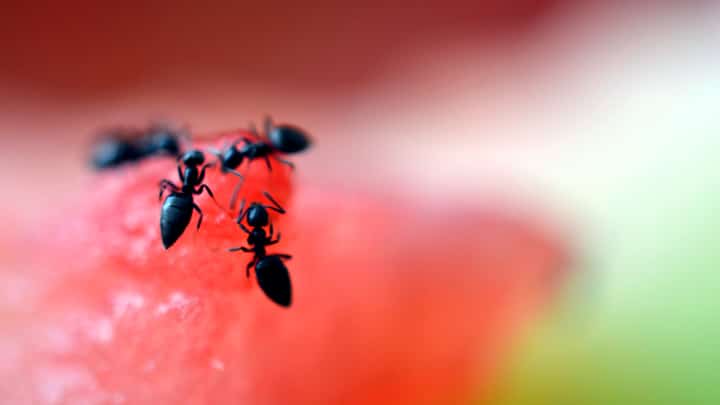
A Michelin two-star chef in South Korea faces a possible one-year jail term and hefty fine after allegedly serving 49,000 imported ants on tasting menus, in a case testing the limits of culinary innovation against strict food safety laws and sparking national debate ahead of a September court ruling.
A celebrated fine dining chef in South Korea is facing the possibility of jail time after prosecutors accused his Michelin two-star restaurant of serving dishes topped with ants, an ingredient that remains prohibited under the country's food safety regulations.
During a hearing before the Seoul Western District Court, prosecutors requested a one-year prison sentence for the restaurant's head chef, identified only as A, for allegedly violating the Food Sanitation Act. They also asked the court to impose a 20 million won fine on the company operating the restaurant.
According to the prosecution, the restaurant imported dried ants from the United States and Thailand beginning in 2021 and incorporated them into selected dishes for nearly four years. While edible insects are legal in South Korea, ants are not among the ten insect species officially approved for human consumption.
Investigators estimated the restaurant served ant-topped menu items around 12,200 times, generating roughly 120 million won in sales. They further alleged that approximately 49,000 ants were used across the restaurant's tasting menus, including desserts such as sherbet.
The defense largely accepted the allegations but challenged the prosecution's calculations. Lawyers argued that ants were only added for diners who agreed to try them, claiming roughly 60 percent of guests accepted the ingredient. Prosecutors, they said, assumed every customer was served ants, resulting in an inflated estimate.
The defense also emphasized that the ant garnish appeared only on a handful of courses within the restaurant's 15-course tasting menu, adding that upscale restaurants in countries such as Denmark, the United Kingdom, and Australia have similarly incorporated ants into their cuisine.
The court is expected to hand down its decision on 2 September, in a closely watched case that has reignited debate over whether culinary innovation should outpace existing food regulations.