
LRT-2 rolls out open-loop digital payments
‘We’re making everyday travel more seamless and secure, helping commuters save time and move through their journeys with greater confidence.’
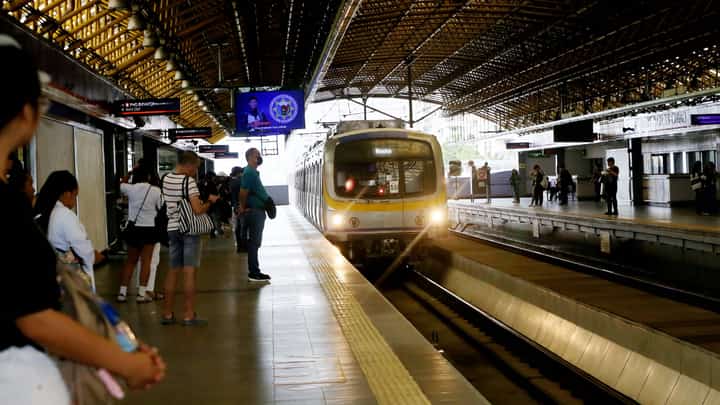
Commuters on the Light Rail Transit Line 2 (LRT-2) can now pay their fares directly using bank cards or mobile wallets, eliminating the need to purchase or reload traditional train tickets, Mastercard announced Monday.
Beginning 13 July, passengers can tap eligible Mastercard credit, debit, or prepaid cards at designated “Fast Lanes” before boarding.
The system also supports near-field communication, or NFC, mobile wallets linked to Mastercard on compatible Android devices.
The rollout is part of a broader government and private-sector push to modernize fare collection across the capital’s public transportation network using open-loop payment technology, which allows standard bank cards to double as transit passes.
Its feature expands the railway’s digital options, which already include mobile QR codes and standard card transactions at ticketing booths. Commuters can now use the same payment methods they use for everyday retail purchases to access the train system.
“Public transportation is part of everyday life for millions of Filipinos, and paying for a ride should be just as effortless,” Jason Crasto, Mastercard country manager for the Philippines, said.
“We’re making everyday travel more seamless and secure, helping commuters save time and move through their journeys with greater confidence,” he added.
Mastercard cited that each tap-to-ride transaction is protected by the company’s global security and encryption features to prevent fraud.
The expansion marks a new milestone for cashless mobility in Metro Manila as transport operators and financial technology companies continue to phase out proprietary transit cards in favor of interoperable systems.
Mastercard has implemented similar open-loop transit networks in several major cities globally and plans to expand the payment technology to other public transport routes in the Philippines.