
Our cities need more shade
We live at the mercy of an unforgiving tropical climate, yet our streets remain surprisingly bare. Why haven’t we designed our cities to offer a little more shelter?

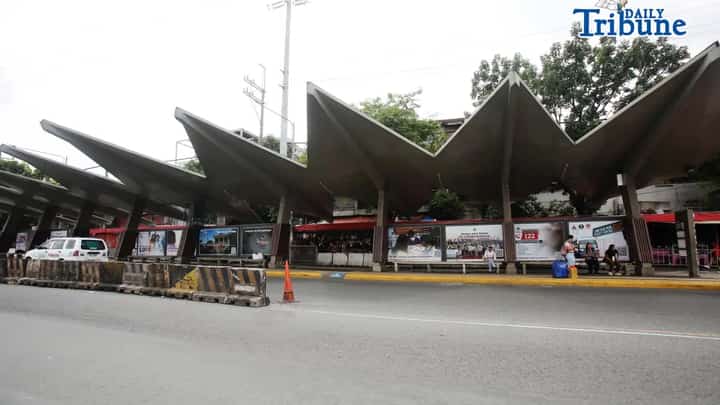
LARGE roof overhangs offer pedestrians welcome protection from both rain and harsh sunlight, illustrating how thoughtful design can make everyday journeys more comfortable.
Here in the Philippines, an umbrella is one of the few things you’ll use all year round. It shields us from scorching afternoons, sudden downpours, and occasionally disappears after being “borrowed” or left unattended for just a little too long.
We live at the mercy of an unforgiving tropical climate, yet our streets remain surprisingly bare, with neither enough trees nor continuous shade to make even the simplest walk comfortable. It makes one wonder: Why haven’t we designed our cities to offer a little more shelter?
I first thought about this while walking through Taipei. Street after street, the buildings seemed to perform a quiet act of generosity. Instead of meeting the sidewalk directly, many of them stepped back at the ground floor, their upper stories supported by rows of columns that created a continuous covered passage for pedestrians. Shops opened directly onto these sheltered walkways. People strolled unhurriedly despite the heat or rain.
These spaces are known as qílóu, more commonly referred to in English as arcades. They are neither fully inside nor fully outside. They belong to a fascinating category of architecture known as transitional space, where the boundary between private building and public street begins to blur. Although constructed and maintained by private property owners, these arcades remain open to the public, extending the usefulness of a building far beyond its own walls.
The widespread use of arcades in Taiwan traces its roots to urban planning regulations introduced during the Japanese colonial period and later refined as the city grew. Similar ideas can be found throughout Asia. Singapore’s famous Five Foot Ways, for example, were required under Sir Stamford Raffles’ town plan as early as 1822, ensuring that commercial streets provided continuous sheltered passage for pedestrians. These were deliberate responses to life in hot, humid and rain-prone climates over 200 years ago.
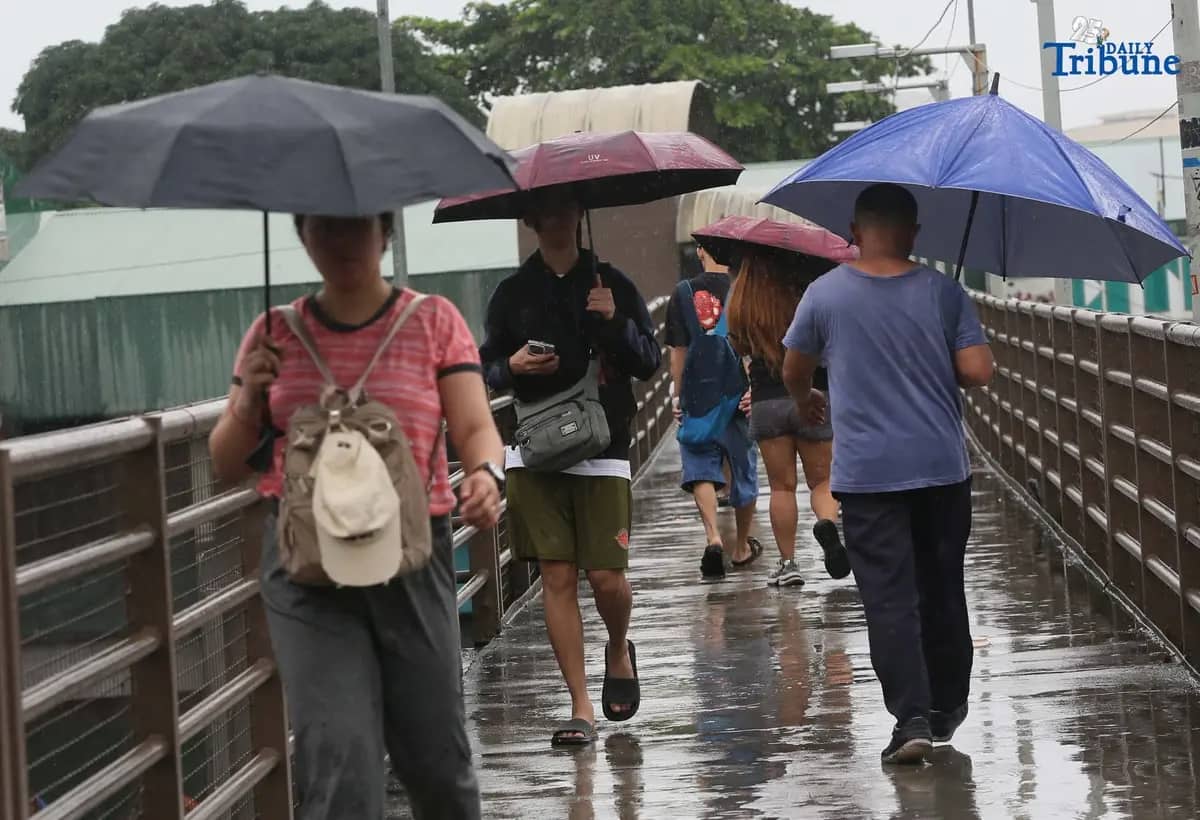
WALKING in the Philippines often means carrying your own shelter.
Photographs by Analy Labor for DAILY TRIBUNE
Arguably, the benefits extend well beyond the pedestrian. Comfortable streets invite people to slow down. They linger outside cafés, browse shop windows, and discover businesses they might otherwise have passed by. Urban economists have long observed that walkable commercial districts generate greater street activity, longer visits and stronger local commerce.
Ironically, this is not an unfamiliar idea to us, as historic commercial districts such as Escolta and Binondo were once lined with arcaded buildings that offered pedestrians welcome shade while creating lively, human-scaled streets. Many of these spaces still exist today, quietly reminding us that architecture can serve not only those inside a building but also the people passing by outside.
It raises an interesting question for architects and planners here in the Philippines. When does a building’s responsibility end? At the property line? At the façade? Or should every building contribute, however modestly, to the quality of the street it occupies as a matter of civic responsibility?
Much of today’s discussion on urban mobility revolves around roads, railways, bicycle lanes, and sidewalks. These are undoubtedly important, but they often overlook a simpler truth: people do not merely travel through cities; they experience them. A five-hundred-meter walk can feel effortless beneath continuous shade yet exhausting under direct sunlight. Comfort, and the way places make us feel, is often what we remember most and instinctively associate with a city.
We can only imagine that one day we won’t have to dash from one patch of shade to another. Until then, an umbrella remains one of the most essential things to have in our day-to-day lives.