
When showbiz was personal
News traveled through newspapers, radio broadcasts and television programs. Stories were verified before they reached the public. Entertainment reporters worked the beat, attended events, cultivated sources and developed relationships with artists and managers.
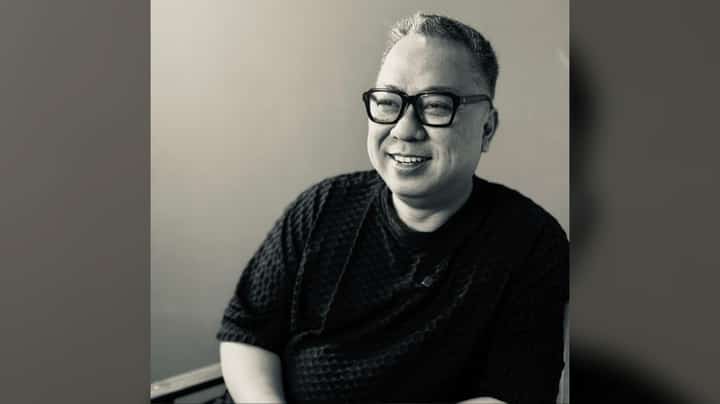
I started covering showbiz events right after college in 1995. More than three decades later, I often find myself reminiscing about a very different entertainment industry — one that moved at a slower pace, relied on personal connections and valued relationships as much as headlines.
Back then, the Philippine entertainment landscape revolved around three major film studios that practically shaped the industry. There was the formidable Regal Films of the late Lily Monteverde, the hit-making machine that was Viva Films under Vic del Rosario, and the commercially successful Seiko Films of Robby Tan. Their movies filled theaters year-round, creating stars, launching careers and giving audiences stories that became part of popular culture.
The era also belonged to a remarkable generation of leading ladies. Sharon Cuneta, Maricel Soriano, Claudine Barretto, Kris Aquino and Judy Ann Santos were among the queens of the silver screen. Their films dominated the box office, their television appearances became major events, and their lives were followed closely by millions of fans.
Music, too, had a different rhythm.
Physical albums ruled the market. Fans eagerly lined up to buy CDs, cassette tapes and even LP records. Owning an album was an experience. You held the artwork in your hands, read the liner notes, memorized the lyrics, and treasured every track.
The concert and recording scene were powered by some of the country’s most respected performers. Regine Velasquez, Kuh Ledesma, Zsa
Martin Nievera and Ariel Rivera were among the artists whose songs became the soundtrack of countless Filipino lives. Their concerts were highly anticipated events, and their music careers were built not on algorithms or streaming numbers but on talent, hard work, and genuine audience support.
Most importantly, there was no social media.
News traveled through newspapers, radio broadcasts and television programs. Stories were verified before they reached the public. Entertainment reporters worked the beat, attended events, cultivated sources and developed relationships with artists and managers.
Celebrities, in turn, knew the members of the entertainment press personally. Conversations did not happen through direct messages or comments sections. They happened face to face.
When controversies erupted, audiences waited patiently for the next report from the late Mario Dumaual on TV Patrol. Mario was not only one of the industry’s most respected journalists; he was also one of my mentors. His professionalism, fairness and dedication to the craft remain unmatched. I still miss seeing him deliver the stories that everyone wanted to hear.
For those seeking deeper answers, there were the weekend talk shows. Showbiz Lingo, which later evolved into The Buzz, and Star Talk became venues where celebrities opened up about their struggles, heartbreaks and triumphs. Interviews often came with tears, revelations and moments of honesty that viewers still remember today.
Yet perhaps what today’s entertainment media misses most are the larger-than-life personalities who helped define the industry.
There was Manay Ethel Ramos, whose commanding presence could instantly transform any press event. Her columns were must-reads, and her influence was undeniable. There was Manay Lolit Solis, whose humor, candid observations and unmistakable “luka-luka” style entertained readers while showcasing her extraordinary instincts as a talent manager. Then there was Douglas Quijano, whose elegance, sophistication and professionalism set the standard for handling both artists and media.
These veterans were more than industry figures. They were institutions. They taught lessons that went beyond publicity and headlines. They showed how relationships, trust and respect could sustain careers for decades.
Showbiz has undoubtedly evolved. It has adapted to digital platforms, instant communication and changing audience habits. Today’s entertainment world moves faster than ever, reaching people through screens that fit in the palm of a hand.
But whenever I think about the years I have spent covering the industry, what I miss most are not the exclusive scoops or the breaking stories.
I miss the no holds barred face-to-face interviews.
I miss the long conversations after press conferences.
I miss the gossip shared over coffee.
I miss the advice generously given by veterans who had seen it all.
Those moments cannot be archived in a social media post or measured by views and engagement. They were built one coverage at a time, one relationship at a time, and one unforgettable encounter at a time.
And for those of us fortunate enough to have experienced that era, those memories remain among the greatest stories we will ever carry.