
What the lens doesn’t say

MEET Daily Tribune’s Fab Five — Aram Lascano, Yummie Dingding, Joey Sanchez Mendoza, Analy Labor and Toto Lozano — the photojournalists behind the lens, tirelessly capturing the nation’s biggest stories, defining moments, and history as it unfolds.
Photographs by Yuko Shimomura for DAILY TRIBUNE
A news photograph often looks effortless because that is the goal: To show the moment, not the person who took it.
But behind every image is someone who woke up before sunrise, stood for hours under the heat or rain, carried heavy equipment, waited endlessly, and made countless decisions in a split second — just so readers could see what happened clearly and honestly.
A photograph may take only two seconds to scroll past. It may appear on the front page of a newspaper, only to be forgotten when the next headline arrives.
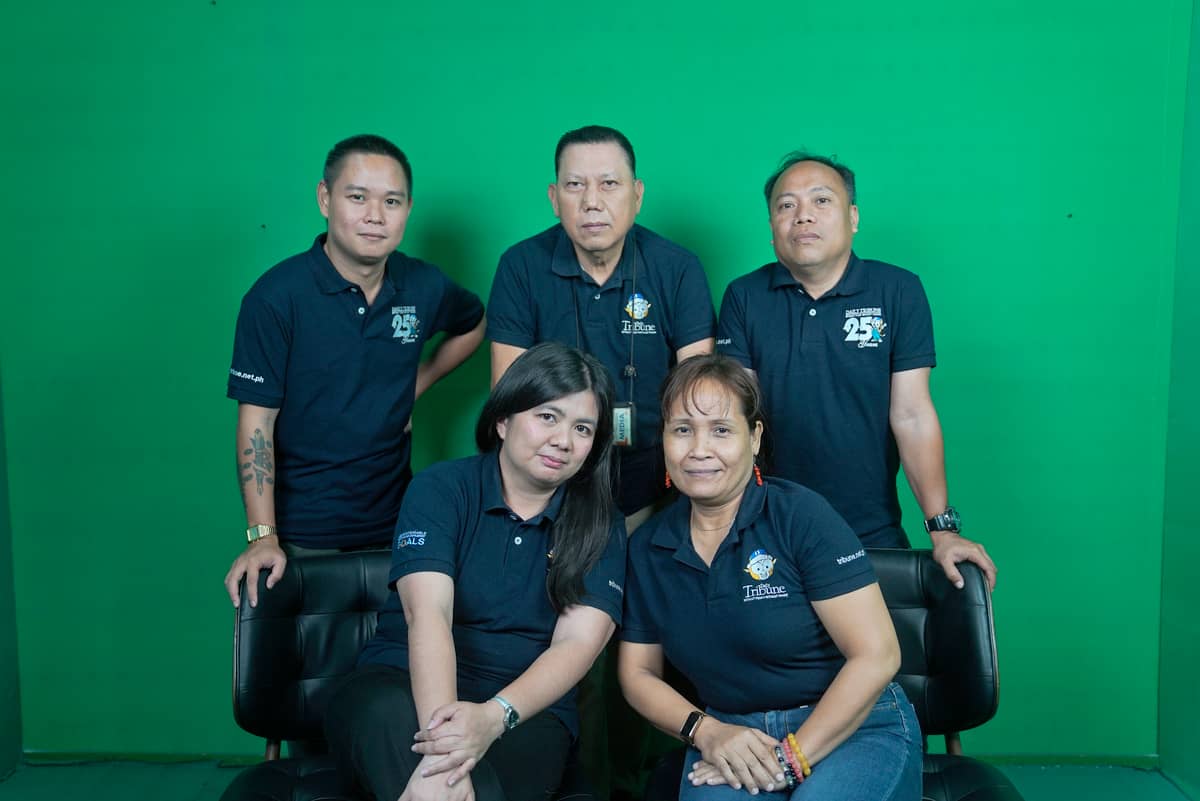
THE five-member photo team stands behind the newspaper’s visual storytelling, documenting major national events, breaking news, public figures, crises and defining moments that shape the country’s daily narrative.
As photojournalists, we often arrive before everyone else and leave after the crowd has gone. We wait outside gates that may never open, chase convoys through traffic, run toward breaking news while others run away, and file images against impossible deadlines while racing against every newsroom trying to tell the same story. There are days when meals, birthdays, weekends and sleep are sacrificed because history does not wait for office hours.
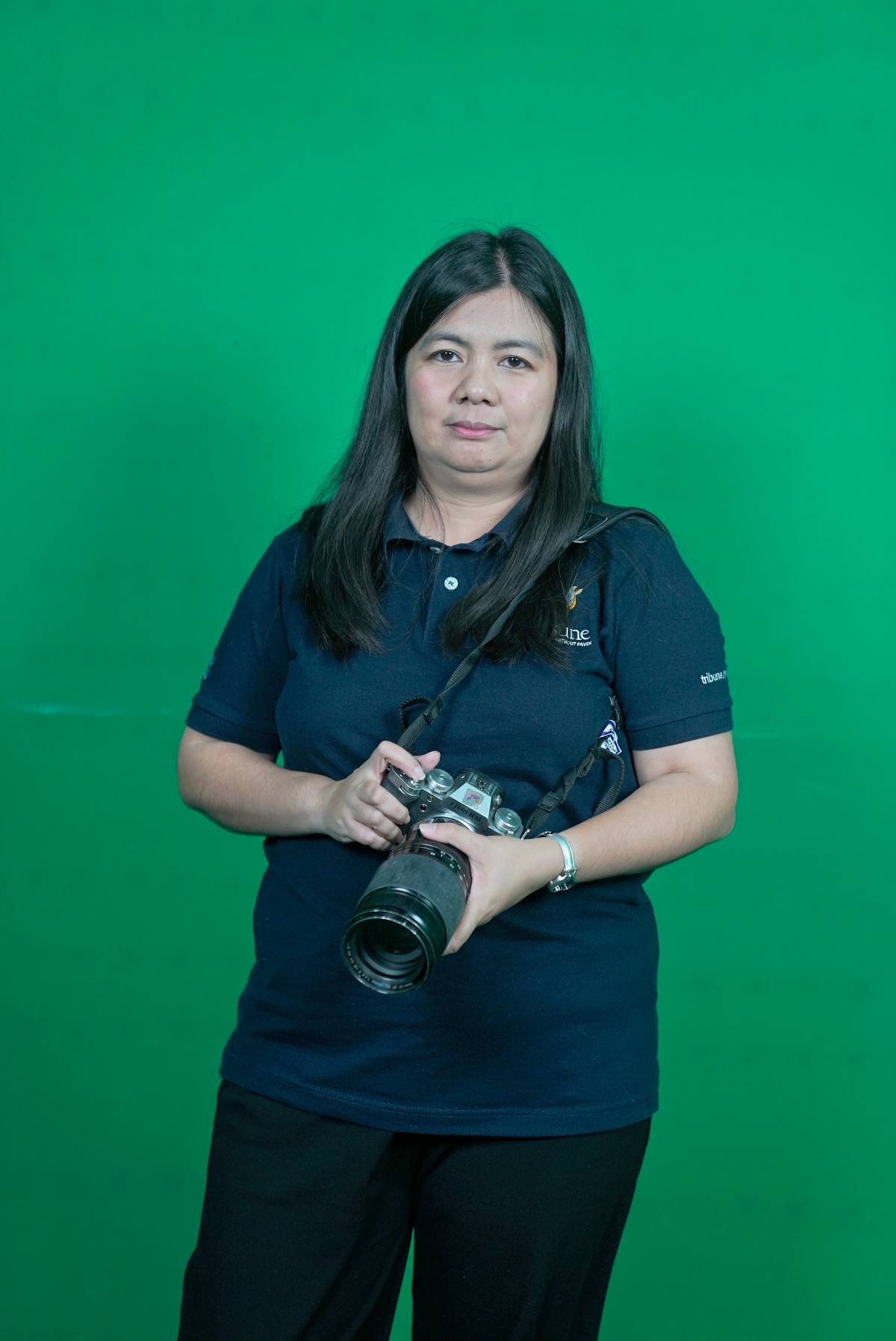
YUMMIE Dingding
A camera does not simply record events. It demands judgment and discernment from the person behind it. Where do I stand? What do I include? What do I leave out? Which single frame tells the truth without exaggeration or manipulation?
Every shutter click carries a responsibility — not just to document, but to bear witness.
Photojournalism is often seen only through the final image. What remains unseen are the aching backs after hours of standing, the blistering heat, soaked clothes during storms, bruises from being jostled by crowds, long walks carrying cameras that seem heavier with every step, and the quiet doubts that follow coverage of tragedy.
We witness celebrations, but we also witness loss, disasters, conflict and grief. We are expected to remain composed, even when what we see stays with us long after the assignment ends.
Yet we return the next day.
Because photographs matter. They preserve history, hold power accountable, celebrate triumphs, expose injustice, and remind people of moments that should never be forgotten. Long after speeches fade and headlines disappear, photographs remain.
Every image represents far more than the press of a shutter. It represents patience, preparation, sacrifice, ethics, and an unwavering commitment to telling the story as it happened.
The photograph may take only a second to capture. But the work behind it is a lifetime of dedication.
For the DAILY TRIBUNE anniversary, I wanted to turn the camera toward the people who are usually standing behind it — our staff photographers, who document the country’s daily life, public figures, crises, victories, and turning points, often quietly and under immense pressure.
From our most senior photographer to our newest member, each has a story worth telling.
Analy Labor, known to many of us in the newsroom as Ate Inday, began her career working in a photo lab in the 1990s, when photographs were developed not with a click, but with chemicals, paper, patience and a trained eye.
Today, she is the longest-serving staff photographer of the DAILY TRIBUNE. She covers the Quezon City Police District beat and has witnessed major moments in public life, from the political upheavals of the early 2000s to the return of Mary Jane Veloso and countless hearings at the Sandiganbayan.
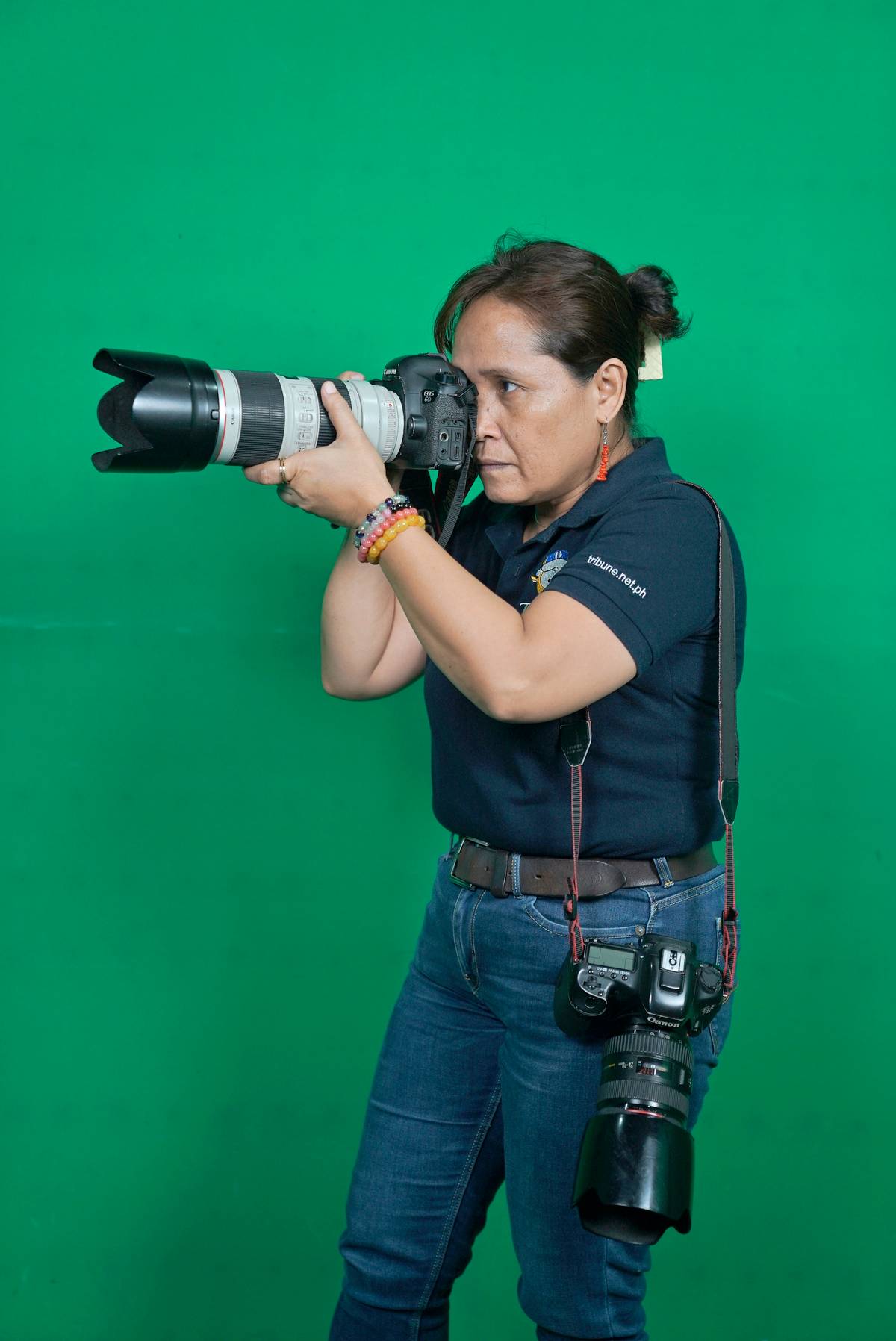
ANALY Labor
Through the years, I have admired Ate Inday for her reliability. Even with limited resources and logistical support, she always finds a way to deliver what the newspaper needs. Her work reflects a truth in this profession: experience is never built overnight. It is earned through years of showing up, waiting, enduring, and knowing exactly when to press the shutter.
As for me, I joined the DAILY TRIBUNE in 2018 after working as a freelance photographer covering music, entertainment, and later government media.
Since then, I have covered Malacañang Palace from the administration of former President Rodrigo Duterte to that of President Ferdinand R. Marcos Jr., while also leading the newspaper’s photo department.
The Palace beat is one of the most demanding assignments in news photography. It means early call times, sudden schedule changes, long waiting hours, overseas coverage, and days when my schedule depends not on personal plans, but on the movements of the President.
During the height of the Covid-19 pandemic, when lockdowns restricted movement and newsrooms faced extraordinary challenges, the newspaper never stopped publishing — and neither did we.
I also found myself covering the Taal Volcano eruption alone on a Sunday. There was no assigned vehicle — just me, my cameras, and a few phone calls until I caught up with friends from local and international news agencies. After the adrenaline wore off, I realized how fragile life can be.
Then came the elections. Some days, it feels like I have seen enough, yet something always manages to surprise me. Years of covering politics have made the beat feel, at times, funny, exhausting, and overwhelming all at once. But behind the humor lies long hours, jet lag from overseas coverage, staff deployment, vehicle requests, field problems, and the constant pressure to produce images from the highest levels of government.
There is also Kuya Joey Mendoza, who joined the team in 2020. A veteran sports photographer, his work has taken him to countless games and tournaments — from the PBA, NCAA, and UAAP to volleyball, tennis, boxing, golf and more. He has earned numerous awards for sports photography, but for him, photojournalism has always been about more than creating beautiful images.
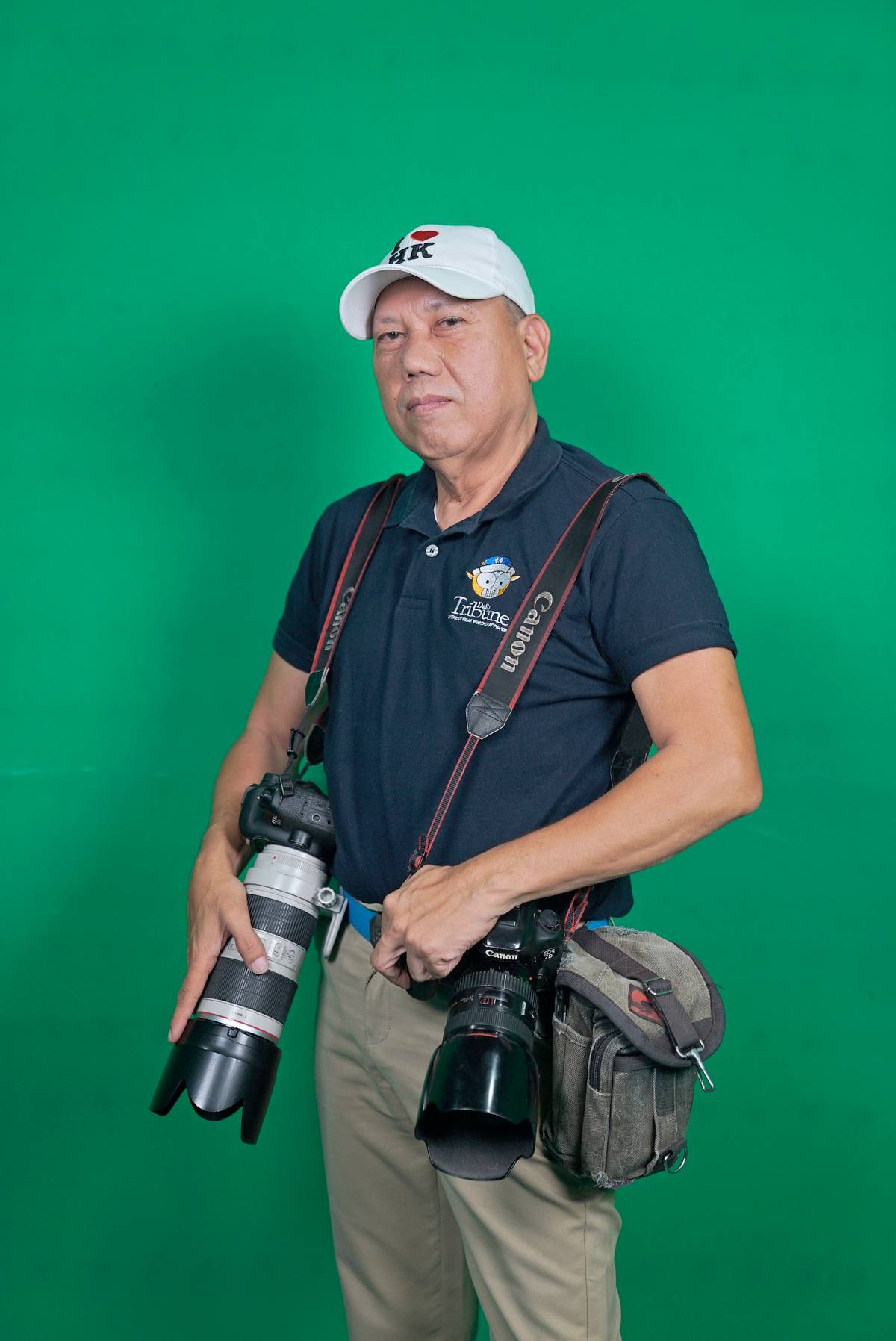
JOEY Sanchez Mendoza
Sports photography demands timing, anticipation and instinct. A photographer must know where the action will happen before it happens. Kuya Joey has built his career around that discipline — reading movement, waiting for the decisive play, and capturing the emotion that follows victory or defeat.
Yet his work has never been limited to sports. There are days when he covers news assignments in the morning before heading straight to sporting events that last late into the evening. It is the kind of workload familiar to many photographers: finish one assignment, pack up, move to the next, deliver again.
Aram Lascano joined the DAILY TRIBUNE in 2024. When he first said he wanted to cover the Senate because he had interned there, I honestly thought he was joking. But his work soon showed he understood exactly what the beat demanded.
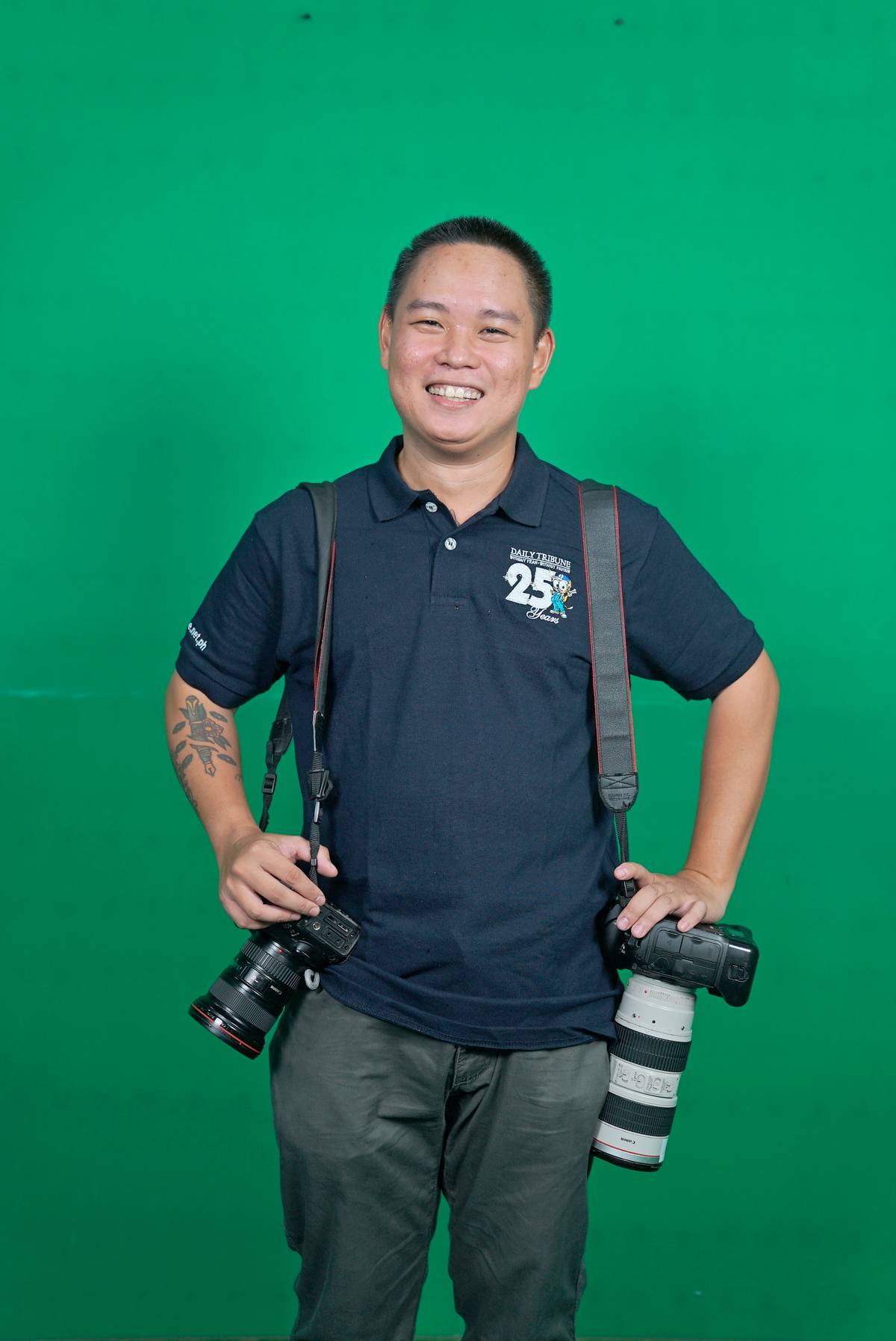
ARAM Lascano
From Senate leadership gridlock to the sudden appearances of Senator Ronald “Bato” dela Rosa, the arrest of Senator Jinggoy Estrada, and other major political developments, Aram proved he could handle the pressure.
There were weeks when the beat demanded long hours, little sleep, and constant alertness. In a place where events can change in an instant, he learned to wait, observe, and move when the story moved. He survived the kind of coverage that tests not only skill, but also patience and stamina.
Then there is Toto Lozano, whom I designated as deputy because of his cap.
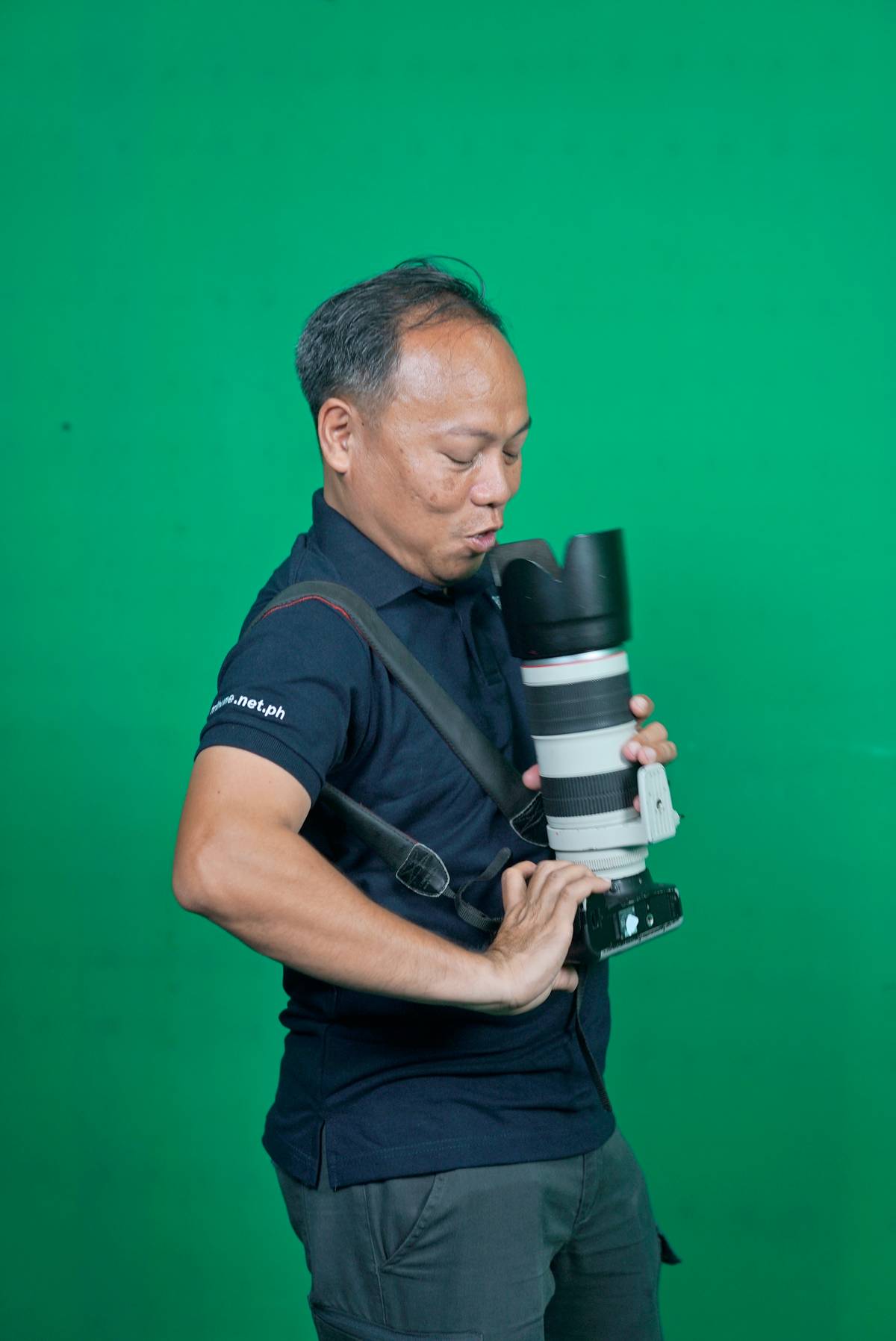
TOTO Lozano