
Say Cheese!
Travel and taste some of the best cheeses in the world.


MONTSERRAT'S iconic saw-toothed mountain peaks and panoramic views make it a must-visit, with funiculars providing easy access.
Grit, Growth, Gruyère
Throughout the centuries, Gruyère cheese of Switzerland has withstood the test of time — from being created from excess milk first crafted by monks and alpine farmers in 1115 to becoming Switzerland’s most exported cheese.
Today, Gruyère cheese is a global phenomenon, and its place of origin, the La Gruyère region, supplies restaurants, groceries and tables around the world with 32,000 tons of cheese annually, making Gruyère deserving of its award as last year’s “Best Cheese in the World” at the World Cheese Awards, the “Oscars” of cheeses.
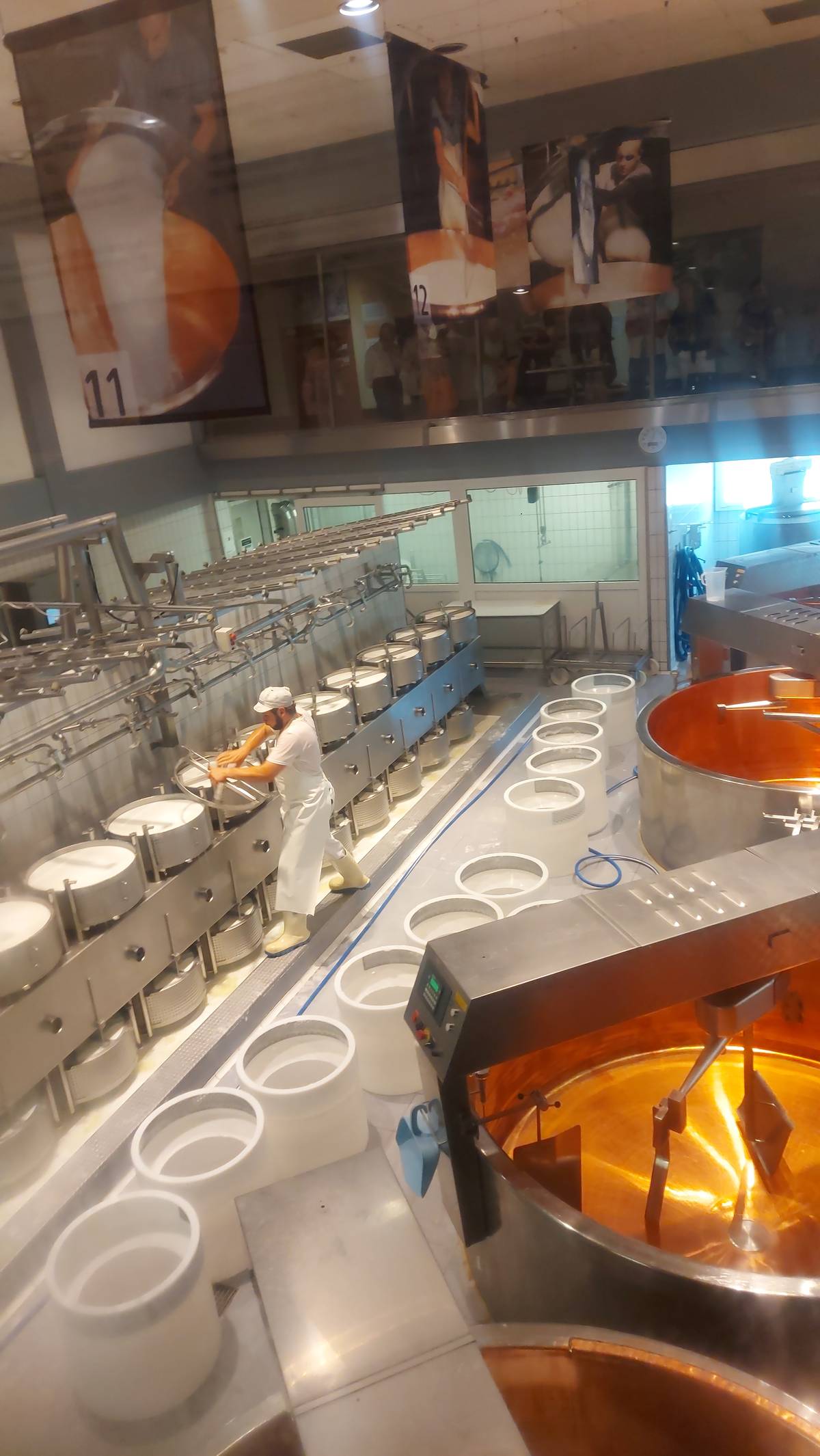
GRUYÈRE cheese is celebrated worldwide, with the La Gruyère region producing approximately 32,000 tons annually for global markets.
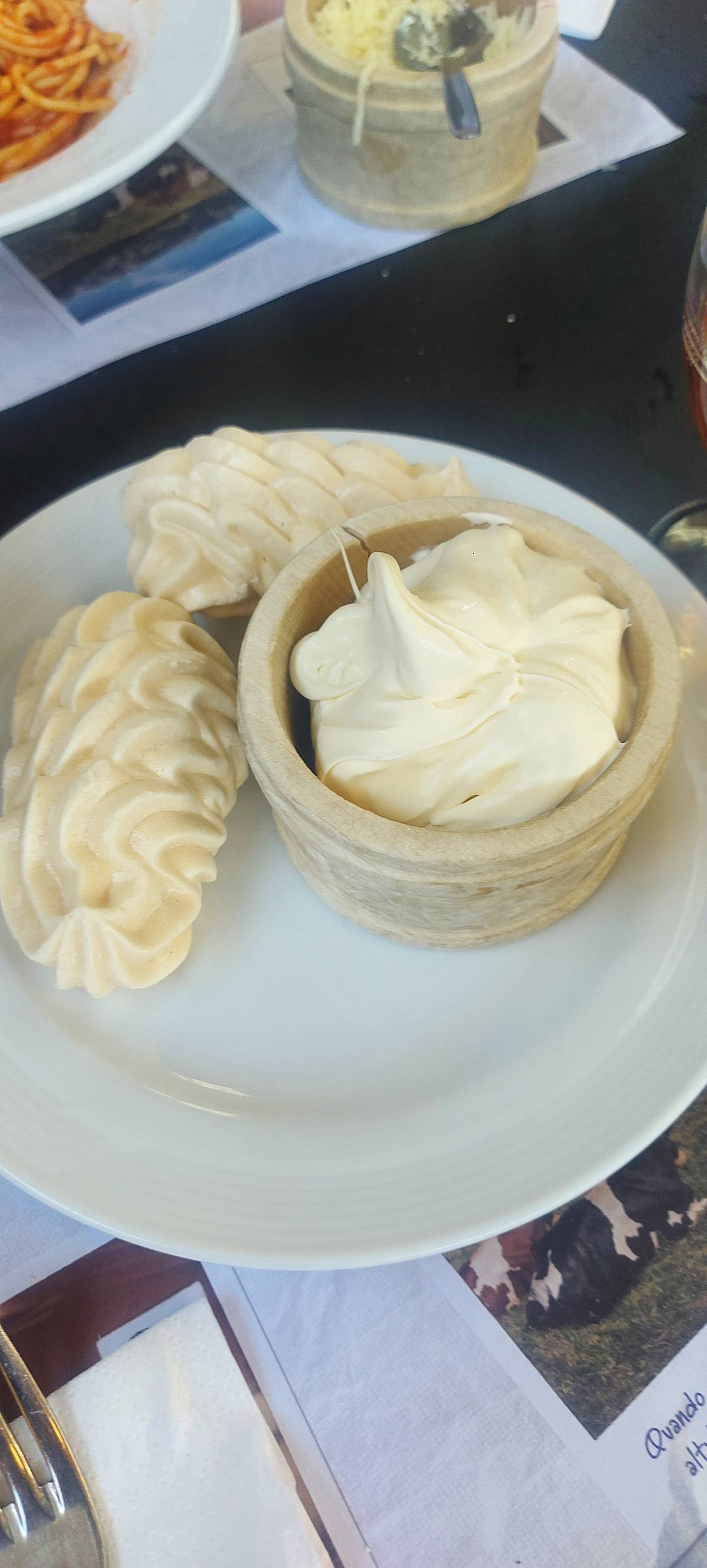
‘BEST Cheese in the World’ at last year’s World Cheese Awards, widely known as the “Oscars” of cheese.
Upon descending from the train at La Gruyère, one is instantly greeted by a cheese factory that also serves as a museum, with audio guides and guided tours where visitors can learn about the history of Gruyère cheese and see its production firsthand. One should arrive at the factory before midday, as cheese production is done only in the morning.
Although samples of Gruyère cheese are given during the museum tour, one can appreciate the cheese even more at the factory’s own restaurant, where Gruyère-based delicacies such as meringue, ice cream and, of course, fondue can be enjoyed alongside steaks and other Swiss and international cuisine. Visitors can also take home cheese, which is available at the factory’s souvenir shop.
But there is more to La Gruyère, or Gruyères, than being the origin of its namesake cheese. Uphill from the factory, through a short hike, is one of the country’s best-preserved medieval villages, Château de Gruyères, which features a 13th-century fortress with a museum and gardens. To and from the scenic castle, one passes some of the grass-fed, free-range “happy” cows whose milk makes Gruyère cheese the icon that it is today.
Manchego: A Slice of Historic Toledo
In Spain, stories of grit and growth abound, and among the greatest is Don Quixote de la Mancha, about a man who set out on a quest “to dream the impossible dream.”
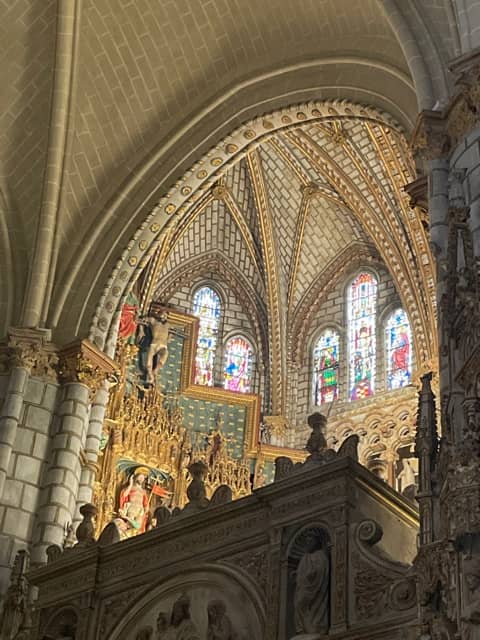
EXPLORE museums, cafés and restaurants that showcase the medieval town’s rich blend of Christian, Muslim and Jewish heritage.
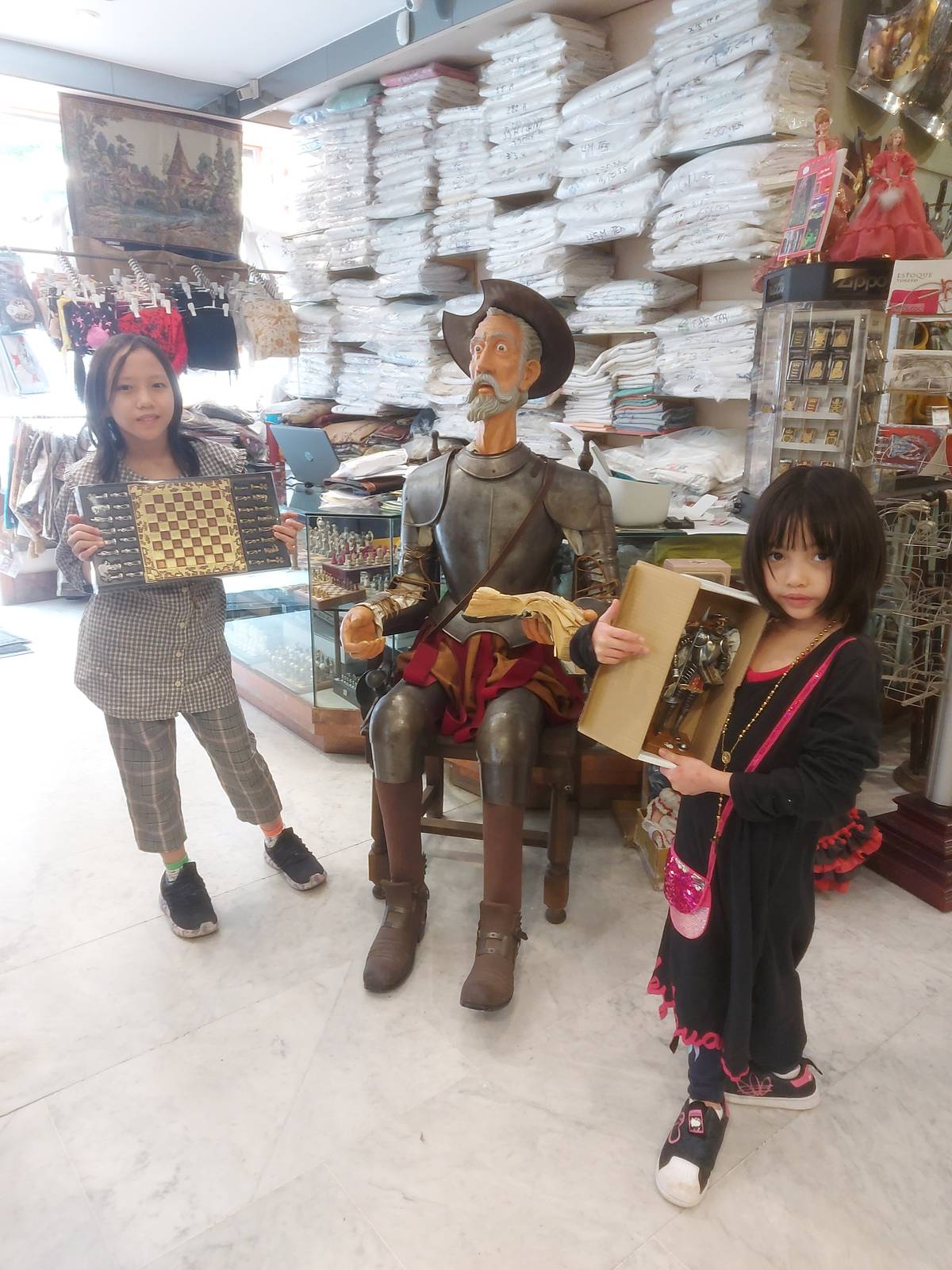
CHEESE lovers should make time for Toledo’s museums and workshops showcasing the heritage of Manchego.
The novel’s setting, Castilla-La Mancha, is home to Manchego, a sheep’s milk cheese often produced near the Montes de Toledo. Typically aged for 60 days or more, Manchego is firm and creamy in texture and rich and nutty in flavor.
In Toledo, among the must-dos is visiting museums and workshops specializing in Manchego. Alongside these are other museums, cafés and restaurants where one can learn more about the medieval town and its blend of Christian, Muslim and Jewish architecture and culture. Now, that’s some “cheesy” history!
Cheesy and Holy: Mató and Montserrat
French Emperor Napoleon Bonaparte sent his troops to sack and burn the Montserrat monastery during the 19th-century wars between Spain and France. Today, Montserrat continues to prove its grit and growth by rebuilding itself: first, as a pilgrimage site known for its miraculous Our Lady of Montserrat; second, as a multi-peaked mountain famed for its saw-toothed rock formations and spectacular vistas accessible via funiculars; and third, as a food haven with its own homegrown cheese, Mató de Montserrat.
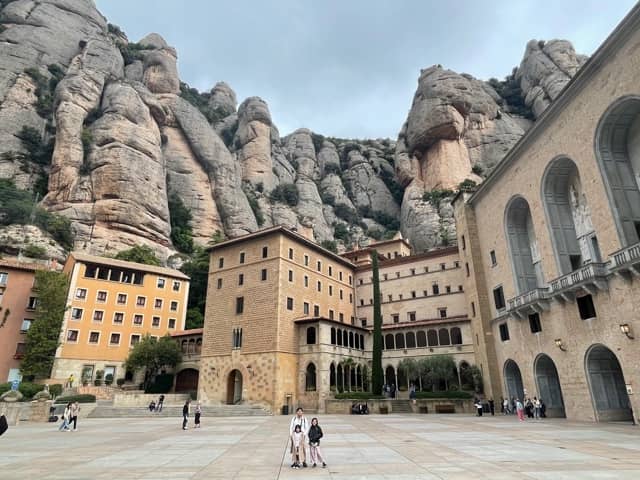
MONTSERRAT’S iconic saw-toothed mountain peaks and panoramic views make it a must-visit, with funiculars providing easy access.
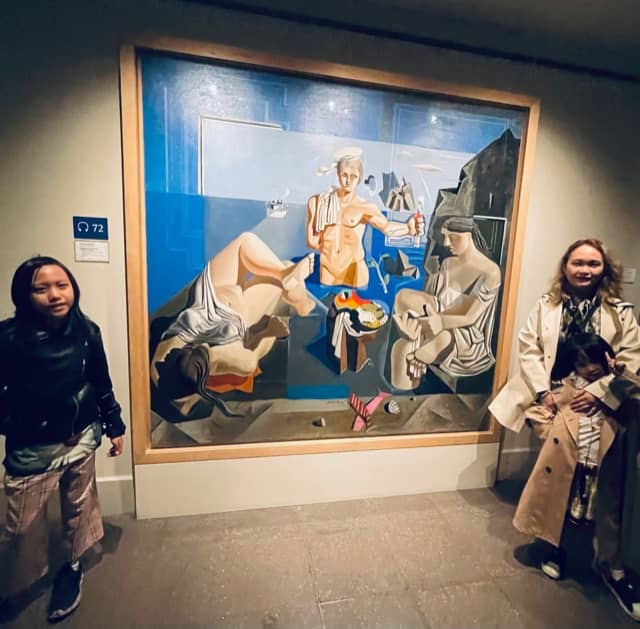
DURING the 19th-century Peninsular War, French Emperor Napoleon Bonaparte’s troops looted and burned the Montserrat Monastery.
In an effort to be self-sufficient, the monks and nuns of Montserrat farm and sell fresh produce and crafts, among them the traditional fresh Catalan cheese Mató, usually made from goat’s and cow’s milk and known for its softness and creaminess.
Outdoor food stalls near the abbey sell giant raw duck eggs alongside Mel i Mató (Mató cheese with honey) or jams. Even outside Montserrat, Mató has become a staple of local Spanish gastronomy.