
Regional hubs are taking off— and changing how Filipinos travel


Regional airports are becoming more than just alternatives to Manila. They are making travel more convenient for millions of Filipinos by bringing domestic and international flights closer to home, changing the way people travel one airport at a time.
For decades, many travelers from the provinces had little choice but to fly through Metro Manila before reaching their final destination. Whether traveling abroad or returning home, this often meant longer layovers, additional transportation costs, and more time spent in transit. Today, the continued growth of regional airports is helping ease that burden.
Clark International Airport, located in the Clark Freeport Zone in Pampanga, has become a major gateway for travelers from Central and Northern Luzon. Instead of making the trip to Manila, passengers now have another option that offers both domestic and international flights, making travel more accessible and less stressful.
Further south, Francisco Bangoy International Airport, more commonly known as Davao International Airport, serves Davao City and the wider Davao Region. As one of Mindanao’s busiest airports, it connects the region to key destinations across the Philippines while also offering select international routes, making overseas travel more convenient for residents of Mindanao.
In the Visayas, Mactan-Cebu International Airport continues to strengthen Cebu’s position as one of the country’s busiest travel hubs. Serving Central Visayas and nearby provinces, the airport accommodates a growing number of domestic and international flights, giving travelers more direct connections without having to pass through Manila.
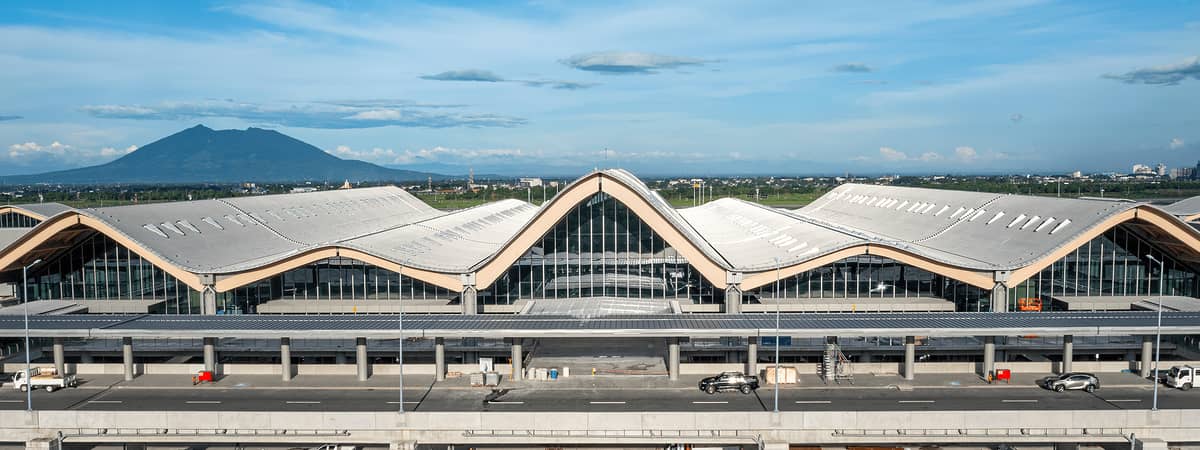
CLARK International Airport (CRK) New Terminal is your premier gateway to the Philippines.
All three airports now handle international flights through various airline carriers, allowing passengers to fly directly to several overseas destinations. While they still cannot accommodate every international route available from Manila, the expansion of their services marks a significant step forward in making global travel more accessible outside the capital.
For many Filipinos, this means fewer connecting flights, shorter travel times and lower transportation costs. Overseas Filipino Workers, students, business travelers and tourists can now return to their hometowns or begin their journeys with greater ease, eliminating the need for long stopovers in Manila before reaching their final destination.
The rise of regional airports is also helping boost local tourism and economic growth. Easier access encourages more visitors to explore destinations in Luzon, Visayas and Mindanao while creating new opportunities for businesses, hotels, restaurants and tourism-related industries.
As airlines continue expanding their networks and regional airports increase their capacity, travel in the Philippines is becoming more decentralized. Clark, Cebu and Davao are proving that the country’s future gateways are no longer centered on Manila alone—they are bringing the world closer to the regions while making every journey more convenient for travelers.