
HOW KOREAN BEAUTY AND FASHION CONQUERED THE WORLD
‘Hallyu! The Korean Wave’ exhibition at the Victoria and Albert (V&A) Museum in Cromwell Road, London provided a glimpse into the evolution of K-pop, K-beauty and K-fashion.

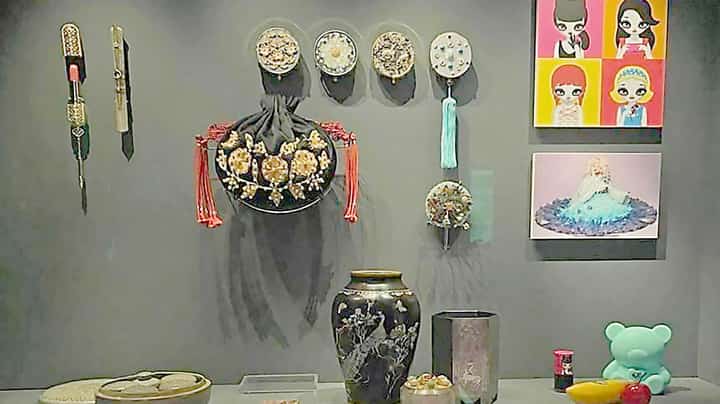
TRADITIONAL Korean artifacts alongside modern pop art, featuring items like a decorative black purse (bokjumeoni) and intricate hair accessories.
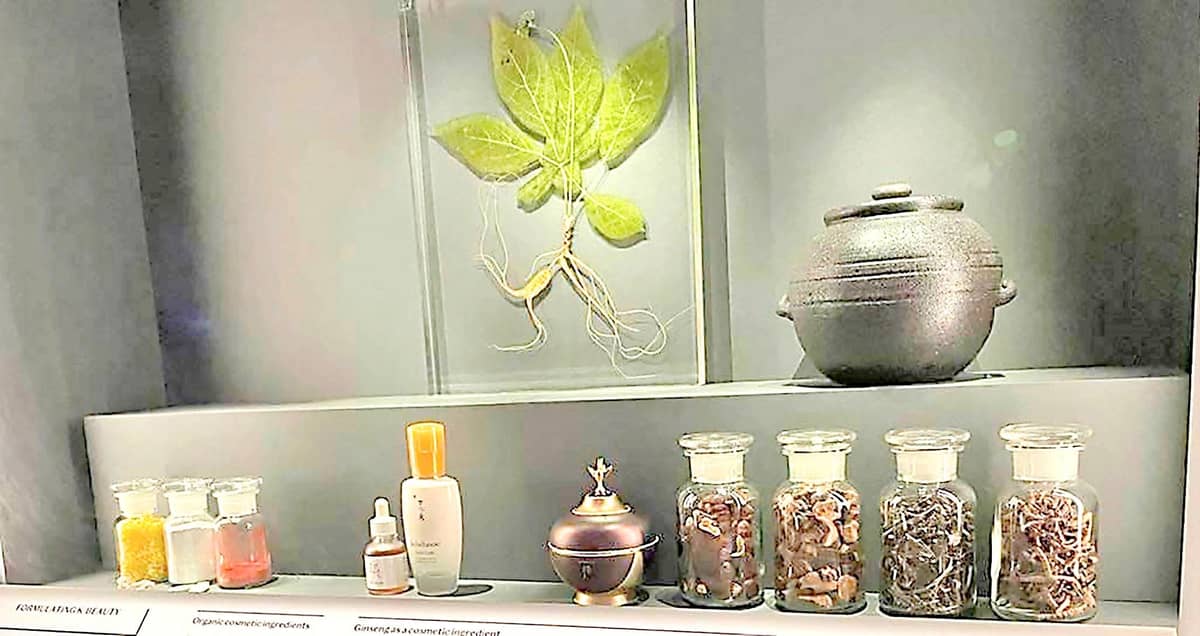
Just like K-pop, K-beauty and fashion are not modern inventions. They are products of Koreans’ long-standing resolve for tradition and innovation.
“Hallyu! The Korean Wave” exhibition at the Victoria and Albert (V&A) Museum in Cromwell Road, London provided a glimpse into the evolution of K-pop, K-beauty and K-fashion.
K-beauty
According to the V&A Museum-published book “Hallyu!,” edited by Rosalie Kim, “K-beauty is one of the most prominent visual manifestations of the Korean Wave.”
“Evidence of cosmetic usage stretches back to the Three Kingdoms period (57 BC to AD 668). Male hwarang warriors of the Silla kingdom (57 BC to AD 935) were famed for their stylized look of white jade-like skin and red eyeshadow, while ladies of the Goryeo dynasty (918 to 1392) were noted as wearing face powder and drawn eyebrows,” the book narrates the K-beauty history.
“The importance of flawless skin continued into the era of Japanese-occupied Korea (1910 to 45), when mass-produced cosmetics were first imported from Japan, France and the USA. During this period the modern-day Korean term for cosmetics, hwajangpum, first entered the Korean vocabulary, the word expanding the definition of a consumable commodity beyond the traditional bundae (cosmetics).”
The exhibit showed ceramic cosmetic boxes dating back to 1200s. Vanity kits dating back to the Joseon dynasty court ladies in the 1300s were pearl-encrusted and bejeweled, including lipstick with a brush attachment.
Traditional Korean medical practice hanbang inspired the use of herbal ingredients and formulations among Korean cosmetics. Among such ingredients is Korean ginseng, which is distilled for 100 hours in ancient Korean stonewear puredoggi to extract the skin-benefitting properties including those that are anti-inflammatory and rejuvenating.
“From 2015 to 2017, excavations of the Joseon dynasty princess Hwahyeop’s (1733 t-52) tomb uncovered cosmetic containers that still held organic and mineral remnants used by the princess over 250 years ago.”
Based on scientific analysis, the cosmetics included beeswax, oils and lead compounds used for creams; ground cerussite with with talcum for face powder and ground cinnabar pigment for red yeonji applied with a wooden stamp. Lead and cinnabar are no longer being used today due to toxicity.
Modern K-beauty brands like Beauty of Joseon seek skin remedies from Gyuhapchongseo, a recipe book written in 1809 by Bingheogak Lee. Tradition and innovation are at the core of K-beauty products, with ingredients drawn from the 16th and 17th century historical records like Donguibogam (Principals and Practice of Eastern Medicine) by Joseon physician Heo Jun.
According to the book, Bakgabun face powder or “Park’s Powder,” created in 1915 by Jeong Jeong-suk, wife of Park Seung-jik, founder of Korea’s oldest conglomerate, was Korea’s first mass-produced makeup and first K-beauty product to have an advertising campaign that ignited many copycats, so it also became Korea’s first trademarked cosmetic product in 1920. It reached its height in the 1920s, when 10,000 boxes of the product was sold per day.
In 2000, Korean brand Missha “created an entirely new model for Korean cosmetics” by ushering “the era for specialist beauty stores” or “Road Shops” in university campuses and subway station malls in Seoul, a model that competitors like Innisfree, Etude House and The Face Shop later followed.
Since the early 2010s, K-beauty has grown further in technology, ingredients and formulations, making beauty editors estimate Korea to be “around 10 to 12 years ahead in Research and Development” than the rest of the world when it comes to beauty, predicted to grow by an average of 11.3 percent per year to become a market worth US$21.8 billion. Korea is now the world’s third largest exporter of cosmetics after the United States and France.
K-fashion
Since the Joseon era, proper appearance has been considered a part of obligation rather than vanity in Korea, the book “Hallyu!” says.
From the Korean hanbok to modern creations by Korea’s designers, K-style has invaded the world through K-dramas like Jewel in the Palace and K-pop music videos, where costumes and makeup are part of the storytelling.
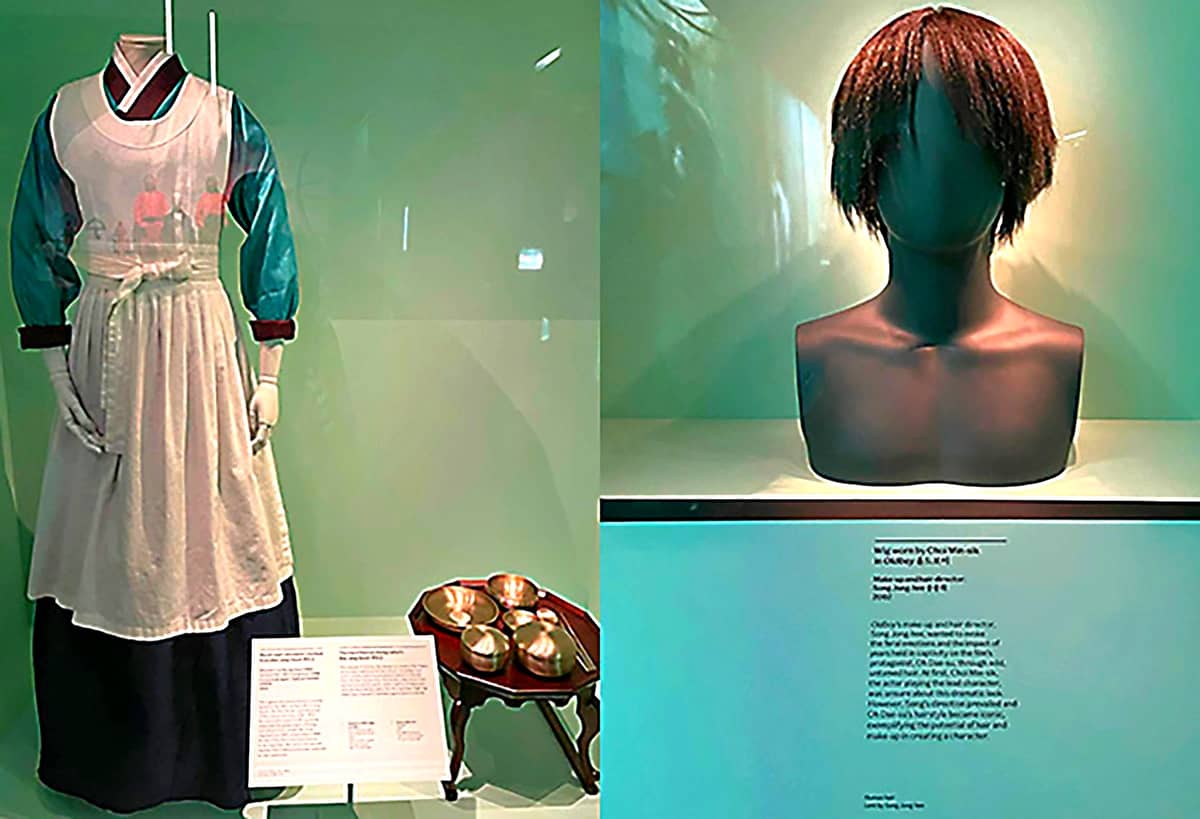
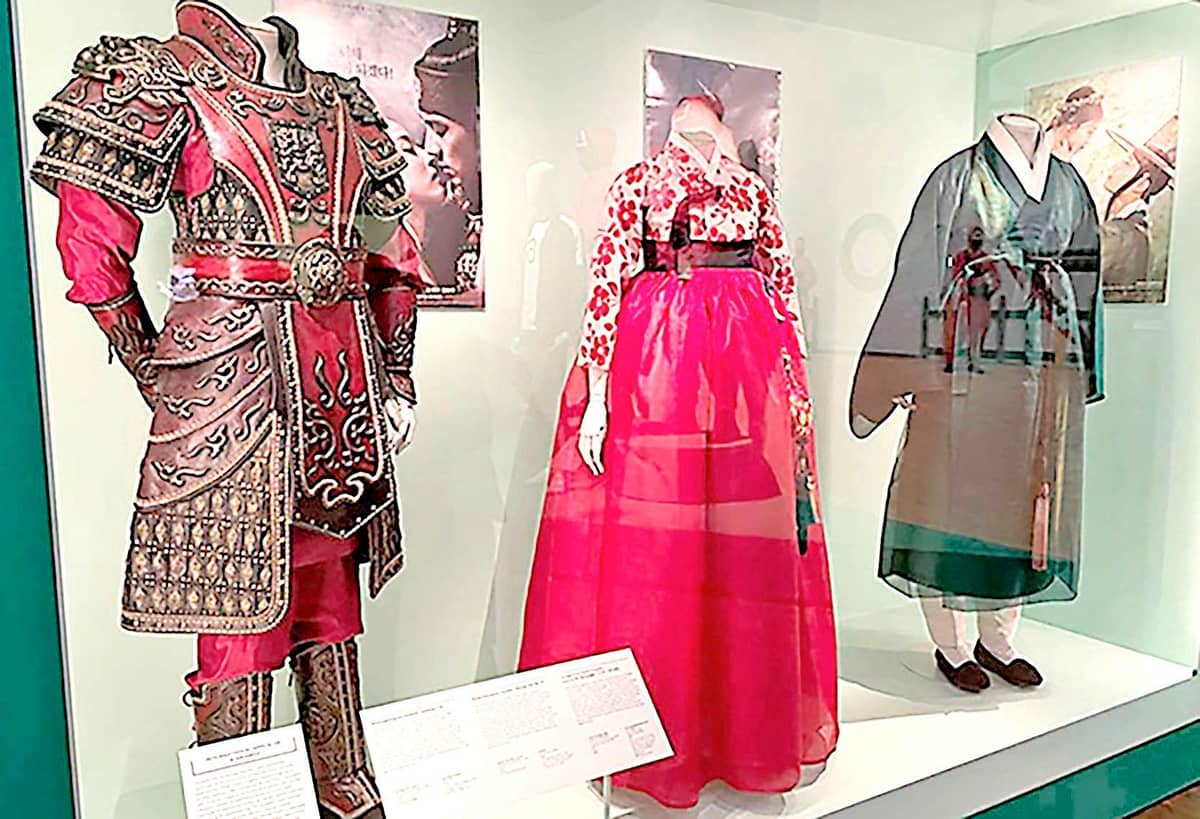
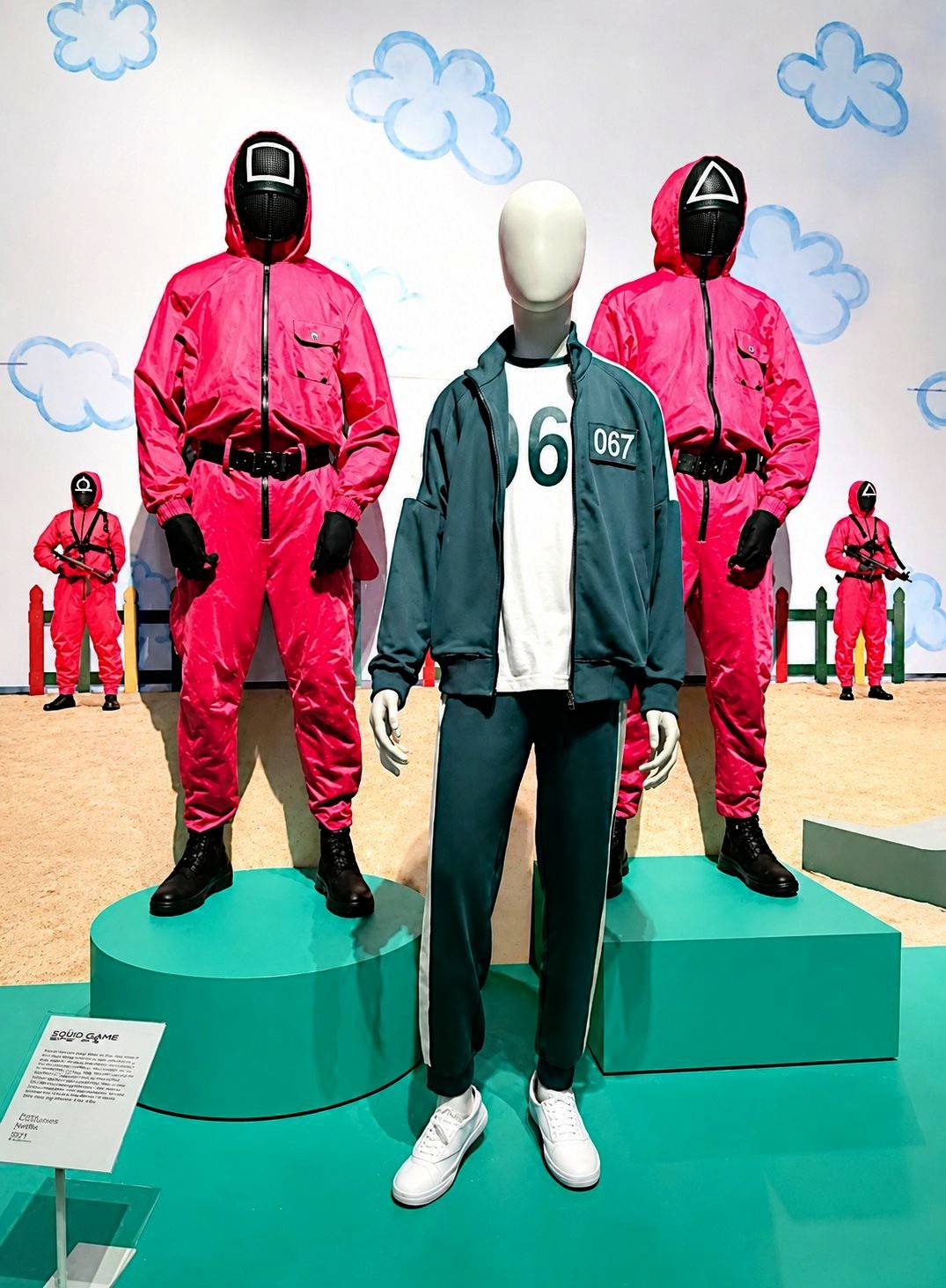
K-pop stars such as G-Dragon, BTS, Kang Daniel and Lee Dong-wook paved the way for “new masculinity” through their “flower boy” style that contributed to the boom of cosmetics among men.
In 2014, My Love from the Star sparked a craze in Asia, America and Europe for Jimmy Choo Anthracite pumps worn by lead star Gianna Jun. This was followed by a shortage on YSL coral lipstick mistaken to have been worn by the Korean superstar in the series.
In 2000, the Korean government established Seoul Fashion Week in an effort to catapult the city as among the world’s fashion capitals.