
Horse-drawn memories
The most priceless carriage ride of all occurred in London during the Presentation of Credentials to Queen Elizabeth II of the then-newly-arrived Philippine Ambassador to the Court of Saint James.


Through the many years, I have been blessed and fortunate to appreciate my own share of horse-drawn carriage rides.
For some excited must-try-it-all travelers, they are an essential part of the tourist experience. Some categorically dismiss them as little more than tourist traps. Whatever the reason, many would still argue a carriage spin is something one ought to try — even at least once in a lifetime.
My first memorable encounter was in New York City. After a grueling series of one-night stays across the East Coast to promote attendance at what was then the world’s largest travel and tourism convention in the late 70s, our worked-to-the-bones team gamely decided we had earned a reward. The unanimous choice: a carriage rendezvous through the iconic Central Park.
Then there was the alluring city of Seville. As spring surrendered to summer, we celebrated the fabulous gorgeous weather. Drawn by magnificent Andalusian horses, our magnificent carruaje roamed through the historic center of landmarks such as Plaza de España and the city’s famous house of prayer, the Catedral de Sevilla.
After visiting the Basilica of the Holy Blood in Bruges, Belgium — which houses a crystal vial said to contain a piece of cloth stained with the blood of Christ — we gladly climbed aboard one of the city’s once-traditional mode of transportation. The route wound through cobblestoned streets, ancient bridges over romantic canals and charming squares.
Petra in Jordan was hot — so very hot! On my first visit, there was simply no way we were going to walk the entire distance through the narrow Siq leading to the famed Treasury, immortalized by Hollywood films. Horses and mules had long pulled tourist wagons to the archaeological site, and we gratefully accepted the offer. Returning years later, however, practicality won. We opted for the newer golf-cart service, which was definitely faster as it involved fewer stops.
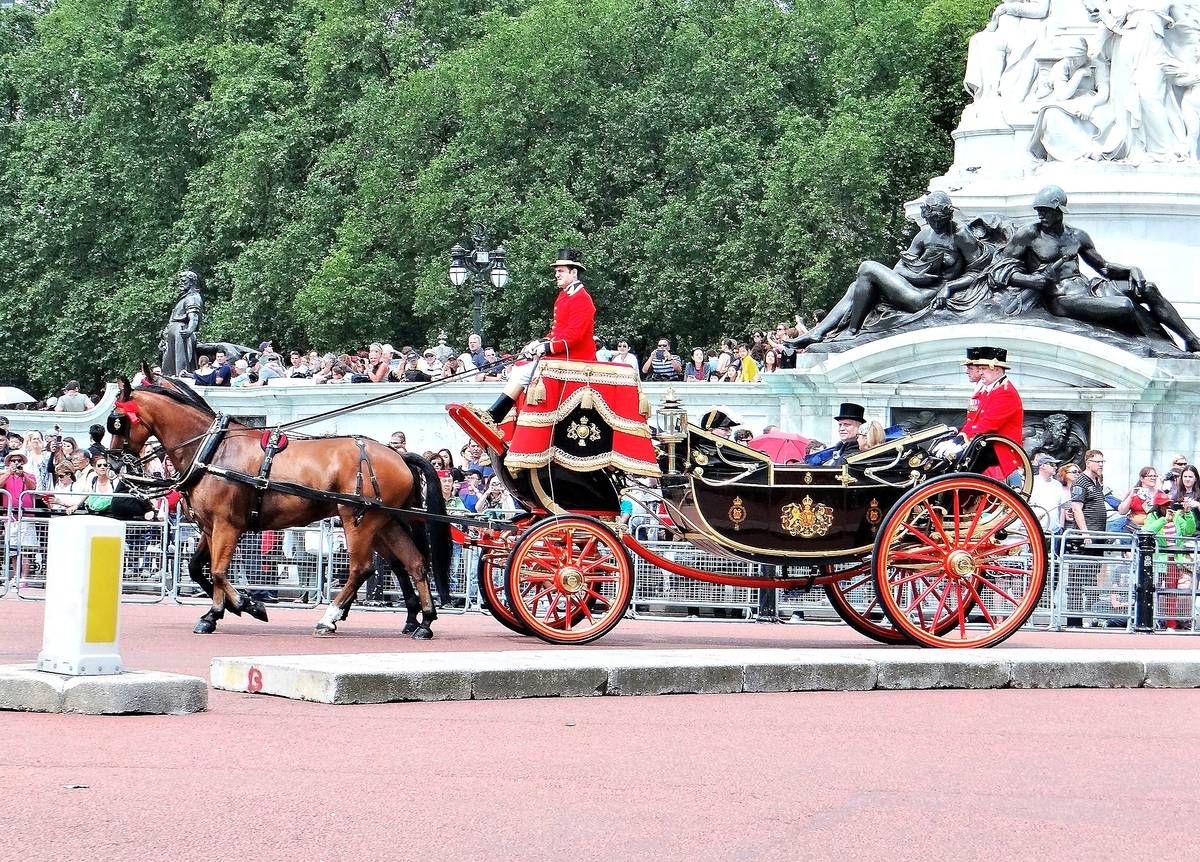
ROYAL Open Carriage of Buckingham Palace.
Closer to home, I accompanied a much-admired not-easy-to-satisfy travel editor of a leading newspaper in the West Coast around the Walled City of Intramuros after spending four years to persuade him to finally visit the Philippines. A kalesa was the ideal introduction as we admired churches, plazas, and remnants of Spanish colonial Manila.
Another remarkable jaunt took place in Vigan, Ilocos Sur. We accompanied an influential international tour operator with a fervent hope our islands would be included in their next travel brochures — then a bible for indecisive travelers who knew they certainly needed a holiday, but did not know where to go. Our guests were industry trendsetters — inclusion would put us on the world map for retail travel agents! Naturally, another kalesa tour became part of the introduction as we visited Calle Crisologo, St. Paul’s Cathedral, Plaza Salcedo, Plaza Burgos, and other heritage landmarks which have made Vigan one of the country’s most beloved destinations.
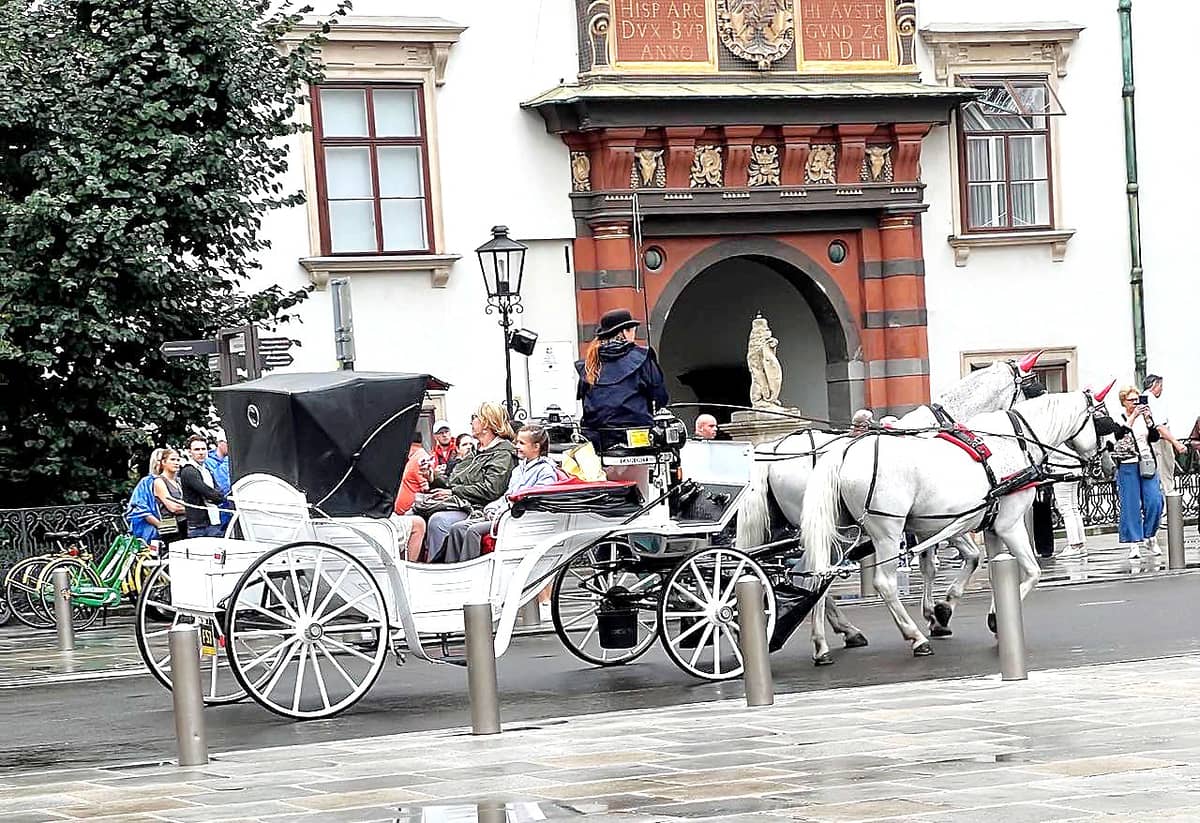
WHITE carriage roams the area.
Perhaps the most priceless carriage ride of all occurred in London, from the Philippine Embassy Grounds all the way to Buckingham Palace. It was during the Presentation of Credentials to Queen Elizabeth II of the then-newly-arrived Philippine Ambassador to the Court of Saint James. Fortune smiled twice on such an occasion. Due to my extended assignment, another ambassador arrived shortly after, a fabulous repeat of the ceremonial presentation.
All these wonderful impossible to forget encounters came to mind when I found myself in Vienna last autumn.
After my pilgrimage at St. Stephen’s Cathedral — which deserves a column entirely its own — I decided to spend some time to observe the city’s famous horse-drawn carriages. Known as fiakers, they have been part of Vienna’s streetscape since the 16th and 17th centuries.
The drivers, who still wear traditional bowler hats, have welcomed others, even from countries far beyond Austria — it is now an international occupation. Even women have joined in.
The afternoon queues can be surprisingly long, as visitors may choose from four routes. Shorter tours circle the university quarter, while longer journeys pass imperial palaces, historic buildings, and towering monuments.
A resident-friend shared some guests even celebrate special milestones on board. Drinks are not uncommon, and some excursions extend into full dinner affairs. For lovers of history and classical music, certain routes venture toward the famous cemetery, the final resting place of Beethoven, Schubert and Strauss.
For some history: it is easy to forget these elegant vehicles were once the city’s primary means of transportation. In the late nineteenth century, more than a thousand fiakers operated in Vienna, functioning much like taxis do today. Aristocrats, members of high society, and arts and opera patrons relied on them regularly. By the early twentieth century, however, modern transportation gradually rendered them obsolete. After the two world wars, only a handful survived.
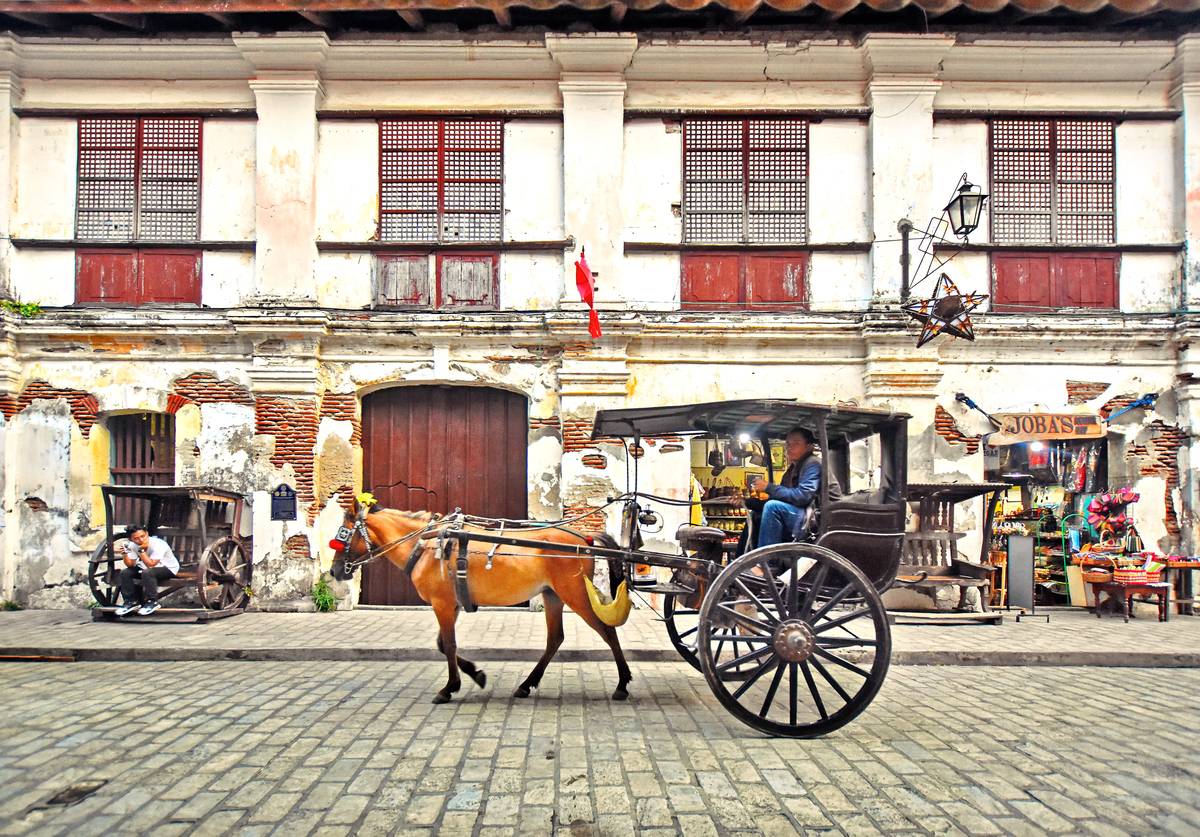
CARRIAGE in front of the Manila Cathedral.
Vienna could have easily allowed the tradition to disappear entirely. Instead, it embraced the fiaker as a living cultural monument.
We soon learn that today, the system operates under strict regulations. Many of the horses are Lipizzaners, a breed developed under the Habsburg Empire. Animal welfare standards are closely monitored. Working hours are limited — after two days of work, the horses are sent to graze the wide, open pastures.
Traditional metal horseshoes have largely been replaced with plastic-coated alternatives which are gentler on hooves and city streets. Even the practical realities have been addressed: collection devices ensure there are no unpleasant surprises left behind on Vienna’s roads.
Which brings me to the obvious question: did I regret not taking a fiaker ride in Vienna?
But then again, after New York, Seville, Bruges, Petra, Intramuros, Vigan and London, perhaps sitting out and learning the background behind Vienna’s beloved carriages was an understanding on its own. Would you have climbed on board?