
It’s a pet’s life and more


ITALY is the first country to allow paid emergency leave for seriously ill pets. Workers can take up to three paid days a year to care for a sick registered, microchipped pet with veterinary documentation.
PHOTOGRAPHS courtesy of istock and unknown facts
Did you know that there are likely over a billion pets worldwide? According to Health for Animals, the statistic is further broken down to families in the United States, Brazil, European Union and China, which account for over half a billion dogs and cats. More than half the world is estimated to have a pet at home.

BRAZIL has announced a comprehensive package of reforms aimed at strengthening animal protection and welfare policies.
PHOTOGRAPHS courtesy of istock and unknown facts
The site estimates that pet ownership is rising globally, particularly in millennial households, which tend to be smaller families and have children later in life. Even more, there is an expanding middle class is driving pet population growth in emerging markets.
Pets and animal welfare around the world
It is no wonder that animal welfare and pet care all around the world has become an issue where pet care is as important “people” — as it should be.
Here are a few. Pet care in the Netherlands involves strict welfare laws, mandatory microchipping for dogs and high-quality veterinary networks. Costs vary widely based on your pet’s needs and where you live, with common services like dog walking, local boarding and insurance being readily accessible across the country.
The country boasts excellent veterinary care, heavily influenced by Utrecht University’s renowned Faculty of Veterinary Medicine. Pet Insurance (Dierenverzekering): Pet insurance is common to protect against unexpected medical costs.
Brazil has announced a comprehensive package of reforms aimed at strengthening animal protection and welfare policies, marking a major step forward in the country’s environmental and biodiversity agenda. The measures were unveiled during the National Animals Week event held in Brasilia and organized by the Ministry of the Environment and Climate Change of Brazil.
The new initiatives include stricter penalties for animal cruelty, the creation of a national policy for rescued animals during disasters, and the launch of a permanent national forum dedicated to shaping future animal welfare strategies. Authorities say the measures will guide the country’s animal protection policies between 2026 and 2030 while expanding collaboration between federal, state and municipal institutions.
The Brazilian government reports that another key measure introduced during the event was Law No. 15.355/2026, which establishes a national policy for the rescue, shelter and management of animals affected by emergencies and environmental disasters. The policy aims to reduce animal mortality during floods, fires and other extreme events that have become more frequent due to climate change.
The event took place ahead of the upcoming 15th Conference of the Parties to the Convention on the Conservation of Migratory Species of Wild Animals, which was held in the Brazilian city of Campo Grande in March 2026. The global meeting discussed the priorities for protecting migratory species and their habitats worldwide.
In Japan, there are multiple “Cat Islands” (neko-shima), where feline residents outnumber the human population. The two most famous are Tashirojima (Miyagi Prefecture) and Aoshima (Ehime Prefecture). Cats were originally brought to these islands to protect silkworm farms or fishing nets from mice, but they eventually multiplied.
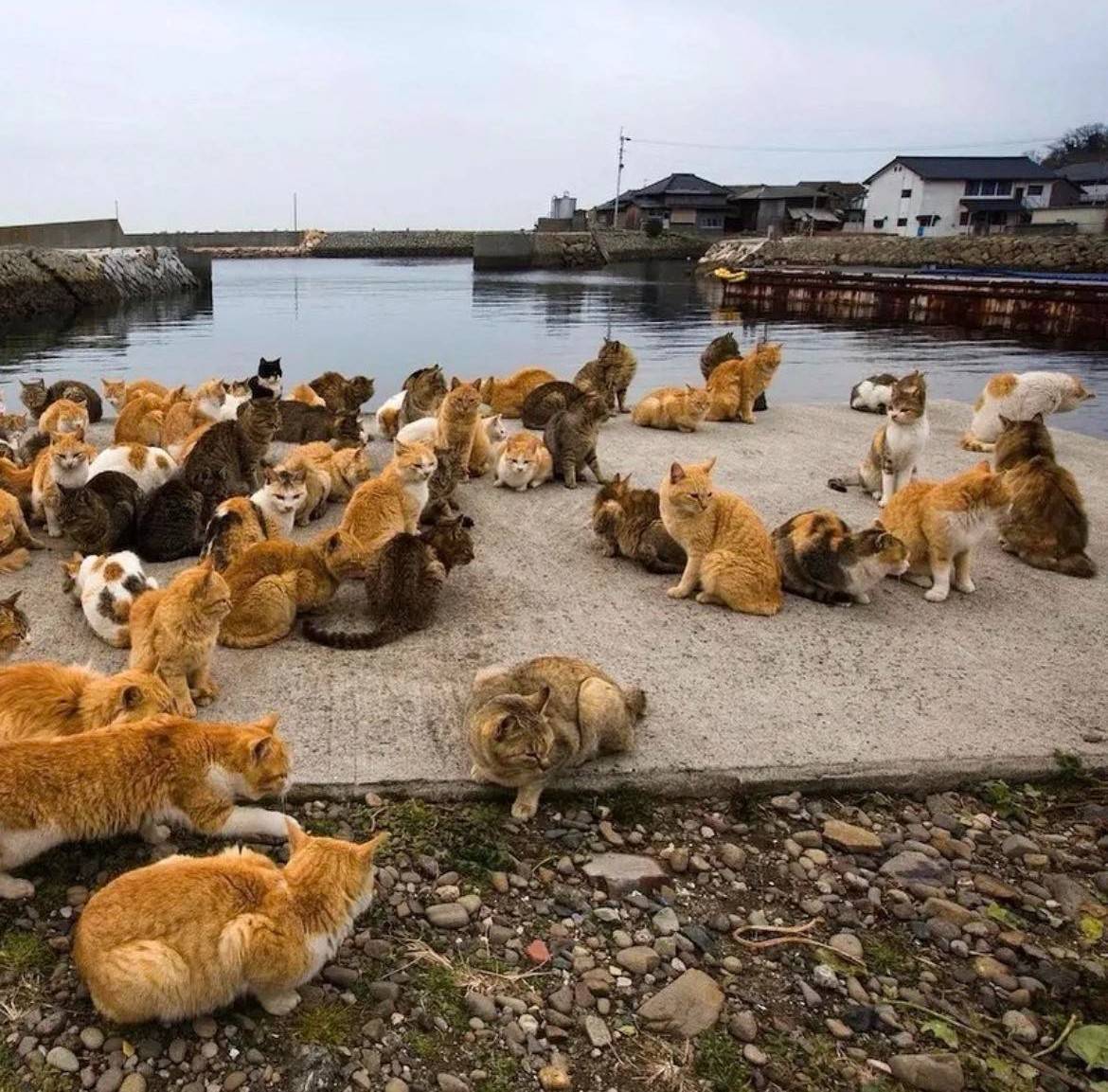
IN Japan, there are multiple ‘Cat Islands’ (neko-shima), where feline residents outnumber the human population. The two most famous are Tashirojima (Miyagi Prefecture) and Aoshima (Ehime Prefecture).
PHOTOGRAPH courtesy of vale magazine
Italy has officially become the first country to recognize seriously ill pets as a valid reason for paid emergency leave from work.
Under the new rules, workers can take up to three days of paid leave each year to care for a sick pet, provided they have veterinary documentation and the animal is officially registered and microchipped. The policy builds on a landmark Italian court case that helped establish pet care as a legitimate family responsibility.
Italy has long been known for strong animal welfare protections, but this move takes things a step further by formally recognizing that caring for a suffering pet can be just as urgent as caring for a family member.
Let’s go local
In the Philippines, it is estimated that our country has one of the highest pet ownership rates in Southeast Asia, with over 60 to 94 percent of households owning pets (www.kantar.philippines). Sadly, there is no Philippine agency that has an accurate statistics of pet ownership in Philippine homes.
What we do know, from seeing how Pinoys live, is that dogs and cats are the most common. Pets are widely treated as family members, sparking a booming local pet care industry that offers everything from premium food and medical services to grooming salons and pet spas. A rough estimate (Kantar 2024) shares that ,in terms of demographics and popularity, the most owned pets are dogs at about 78 percent of pet-owning households, while cats make up about 50 percent(many homes own both). Further, the popular breeds are Shih Tzus, Golden Retrievers, while various local mixed-breed dogs (often called Aspin or Asong Pinoy) and cats (Puspins) are cultural staples.
It is not uncommon to enter a Pinoy home (74 percent), with multiple pets, and an estimated 57 percent consider their pets to be legitimate family members.
And yes, animal welfare is a growing concern.
New discoveries
Many experts have pointed a finger on the pandemic that made people realize the importance of pet ownership and the roles pet play in family life.
The pandemic sparked a global surge in pet acquisition as people sought comfort during lockdowns. However, long-term research reveals complex realities: while pets offered initial cheer and companionship, the demanding responsibilities of pet care, behavioral challenges and shifting post-lockdown routines often led to increased stress and overwhelmed owners, it was reported in Healthforanimales.org.
But, truth to tell, I have heard it over and over again how the pandemic and living so close to our families and the pets that come with them have made pets an essential part of family.
What can I say, life with pets makes life worth living.
Good news, bad news, who knows.