
Imported carrots flood markets, crushing Cordillera farm prices



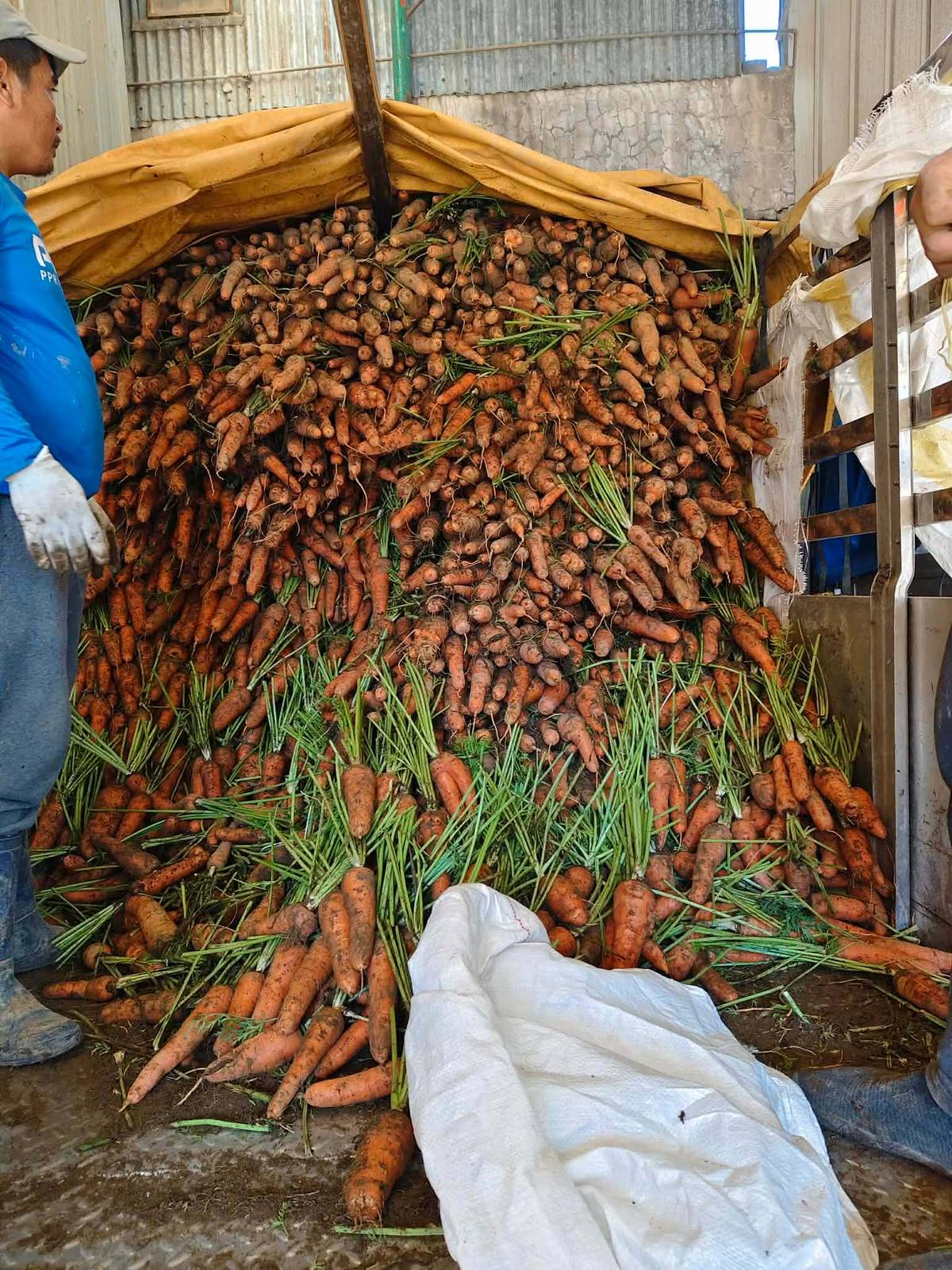
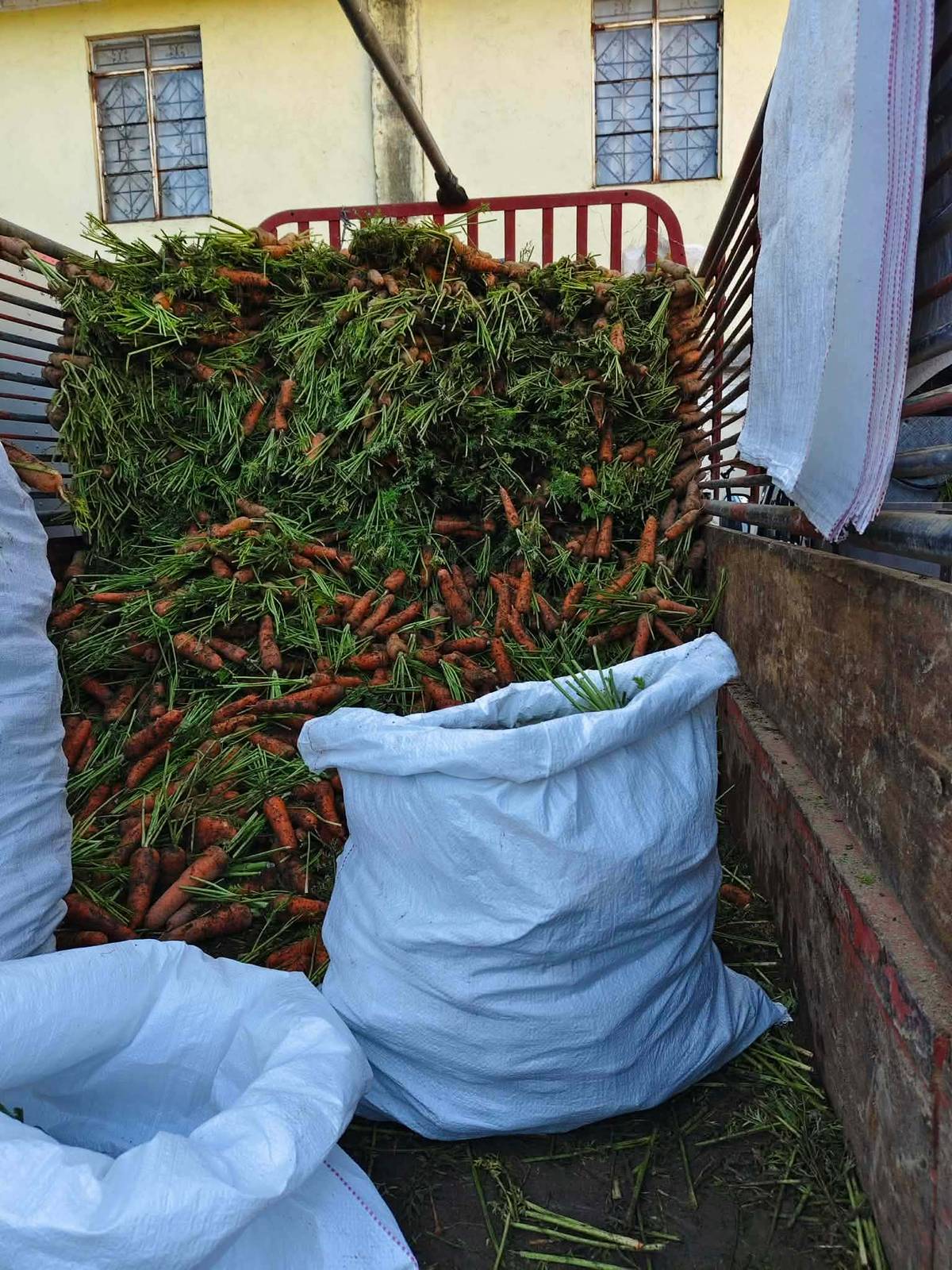
Because of the influx of import s carrots at the markets in Manila and Quezon province, the vegetable farmers and traders of Benguet and Mountain Province will have to carry the burden on how to dispose their goods and face the threat of bankruptcy. Photos courtesy of League of Associations at the La Trinidad Vegetable Trading Post Inc.
LA TRINIDAD, Benguet — Vegetable farmers and traders in the Cordillera are again bearing the brunt of an influx of imported carrots, with shipments returning unsold and farm-gate prices plunging to unsustainable levels.
The League of Associations at the La Trinidad Vegetable Trading Area Inc. (LALTVTAI) reported that truckloads of locally grown carrots intended for markets in Metro Manila and Quezon Province were turned back after buyers opted for cheaper imported produce. The group shared photos showing boxed imported carrots at Balintawak Market in Manila and trading hubs in Sariaya, Quezon, taken on 17 and 18 June.
LALTVTAI warned that the influx threatens the livelihood of highland farmers and traders by depressing local prices. Wholesale prices for Benguet and Mountain Province carrots have fallen to as low as P20 per kilo, with only limited premium transactions reaching P38 per kilo. Lower-grade carrots have dropped to just P8 per kilo, well below production and transportation costs.
The group appealed to Agriculture Secretary Francisco Tiu Laurel Jr. to investigate the regulatory status and import permits covering the shipments, saying traders suspect that smuggled carrots may be entering the market alongside legally imported volumes.
The impact was evident at the La Trinidad Vegetable Trading Post on 18 June, where large quantities of locally harvested carrots remained unsold as buyers favored lower-priced imports. Farmers warned that the oversupply could push many small growers into heavy financial losses as they struggle to recover production costs.
The latest development comes despite repeated protests and appeals by farmer groups in May urging the Department of Agriculture to cancel a planned 6,000-metric-ton carrot import allocation scheduled from April to July.
While the DA defended the imports as necessary to address high retail prices in Metro Manila, farmers and local officials argued that domestic supply was sufficient and warned that additional imports would devastate local producers. They also noted that previous importations failed to reduce consumer prices, with profits benefiting middlemen and importers while growers absorbed the losses.
Agricultural groups said the combination of official imports and suspected smuggled shipments has once again left the Cordillera vegetable industry vulnerable to severe economic disruption.