




Halftime hydration
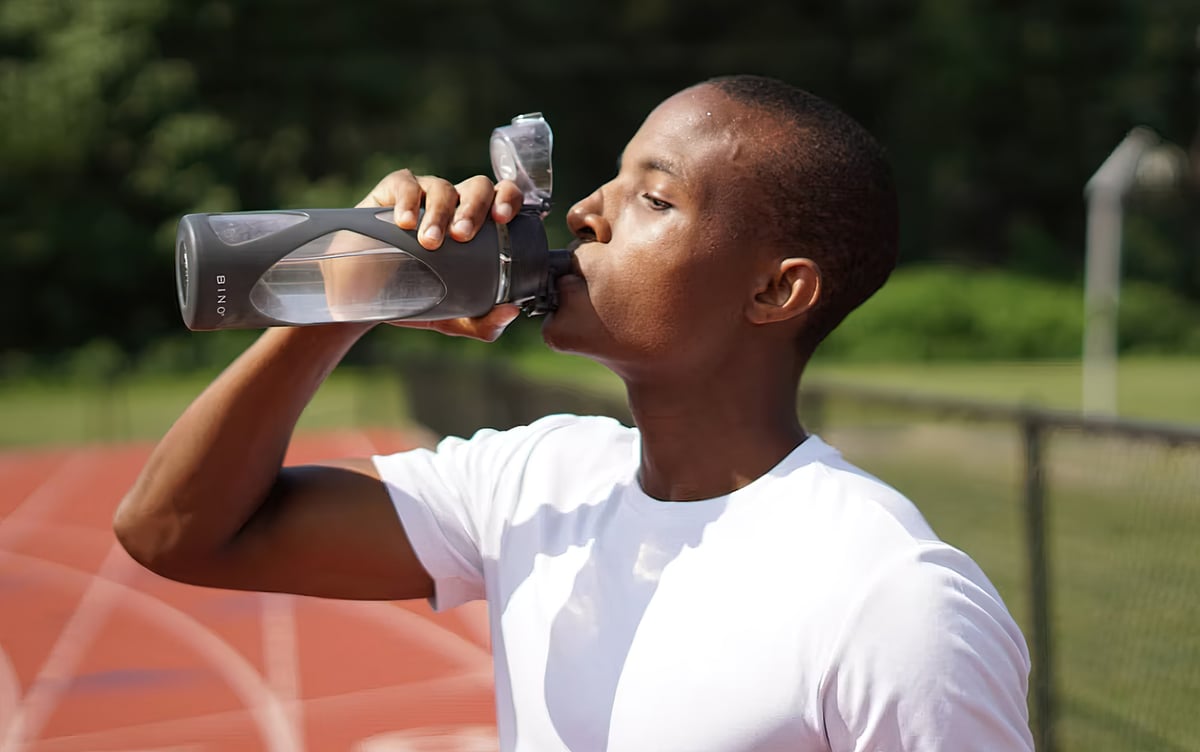
Replacing lost fluids helps regulate body temperature and supports cardiovascular function.

Text size
Replacing lost fluids helps regulate body temperature and supports cardiovascular function.
DRINKING water helps regulate body temperature.
Dimenshtein Olga
When the referee signals halftime, spectators often see it as a chance for players to catch their breath. Sports nutrition experts, however, view those brief minutes very differently. In many cases, what athletes do during the break can determine how well they perform after returning to the field.
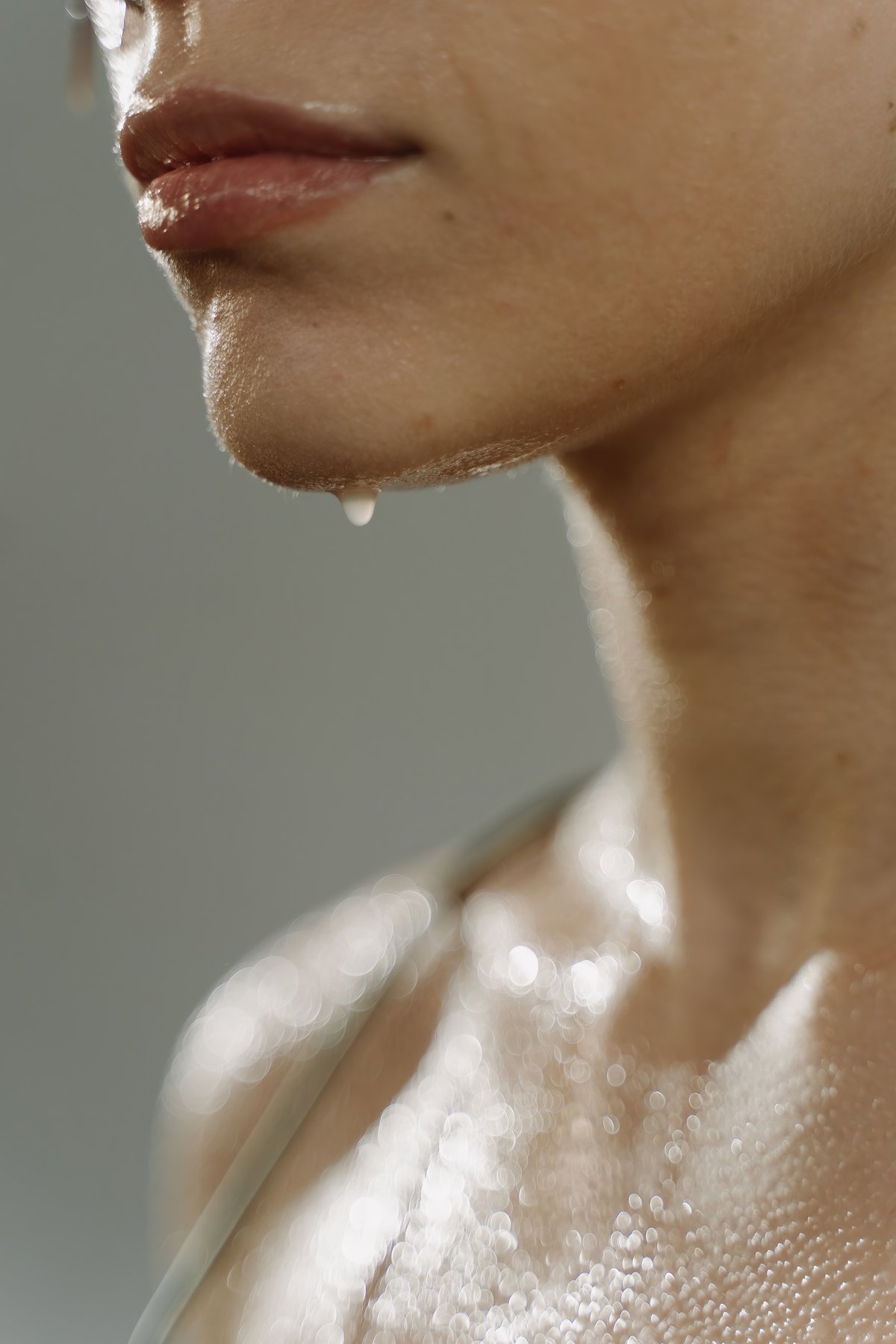
Physical activity, especially in warm and humid conditions, places heavy demands on the body. During training and competition, athletes can lose large amounts of fluid through perspiration. Even a relatively small degree of dehydration can affect speed, endurance, concentration and coordination. As fluid losses increase, the body works harder to maintain performance, causing athletes to tire more quickly and react more slowly.
What many people do not realize is that sweat contains more than just water. Along with fluid, the body also loses important minerals known as electrolytes. These include sodium, potassium, magnesium, and calcium, all of which play key roles in muscle movement, nerve function, and maintaining proper hydration.
When these minerals are not adequately replaced, athletes may experience symptoms such as fatigue, headaches, muscle cramps, dizziness, and reduced mental sharpness. In severe situations, electrolyte imbalances can contribute to more serious health concerns.
This is why sports nutrition specialists emphasize that halftime is more than a rest period. It is a critical opportunity to replenish both fluids and energy stores before the second half begins.
One of the main priorities during the break is consuming carbohydrates. These provide a quick source of fuel for working muscles and the brain, helping athletes maintain intensity and focus as the match progresses. Easy-to-digest options are often preferred because they can be absorbed rapidly without causing stomach discomfort.
Hydration is equally important. Replacing lost fluids helps regulate body temperature and supports cardiovascular function. Experts note that simply drinking water may not always be enough during prolonged or high-intensity activity because it does not replace the sodium lost through sweat. Including beverages or foods that provide electrolytes can help the body retain fluids more effectively.
Buddies, associates? One happy family?
A traditional dish called zongzi is served during China’s Dragon Boat Festival, which falls in June. It is a rice…
Divina credited the firm’s achievements to its members, thanking them for their ‘hard work, dedication, teamwork, and…
‘Sec. Vince Dizon, please explain how this finding of your own team should not be flagged as a ghost project in Taguig.’
Athletes are also encouraged to develop an understanding of their individual hydration needs. One practical method is to monitor changes in body weight before and after exercise. A significant drop can indicate substantial fluid loss. Another simple indicator is urine color, with pale yellow generally suggesting better hydration than darker shades.
