
We need more public restrooms in Metro Manila
It is a difficult problem to resolve, as land is limited and funding is constrained, particularly for infrastructure that does not generate direct financial returns and with high operational expenditure.


When sanitation is missing from public space, it becomes more than inconvenience — it becomes a public health risk.Metro Manila does have public restrooms but they exist only in isolated facilities such as transport hubs, markets, and government buildings. Unlike other cities, there is no comprehensive, well-maintained, and accessible public restroom network supported by a sustained government program.
The consequences of this extend beyond inconvenience as it is also a matter of public sanitation. Seasonal data from the Department of Health consistently show spikes in leptospirosis following floods as the possibility of disease spreading increases as human waste is left to fester. In such conditions, the absence of sanitation infrastructure becomes a clear public health risk.
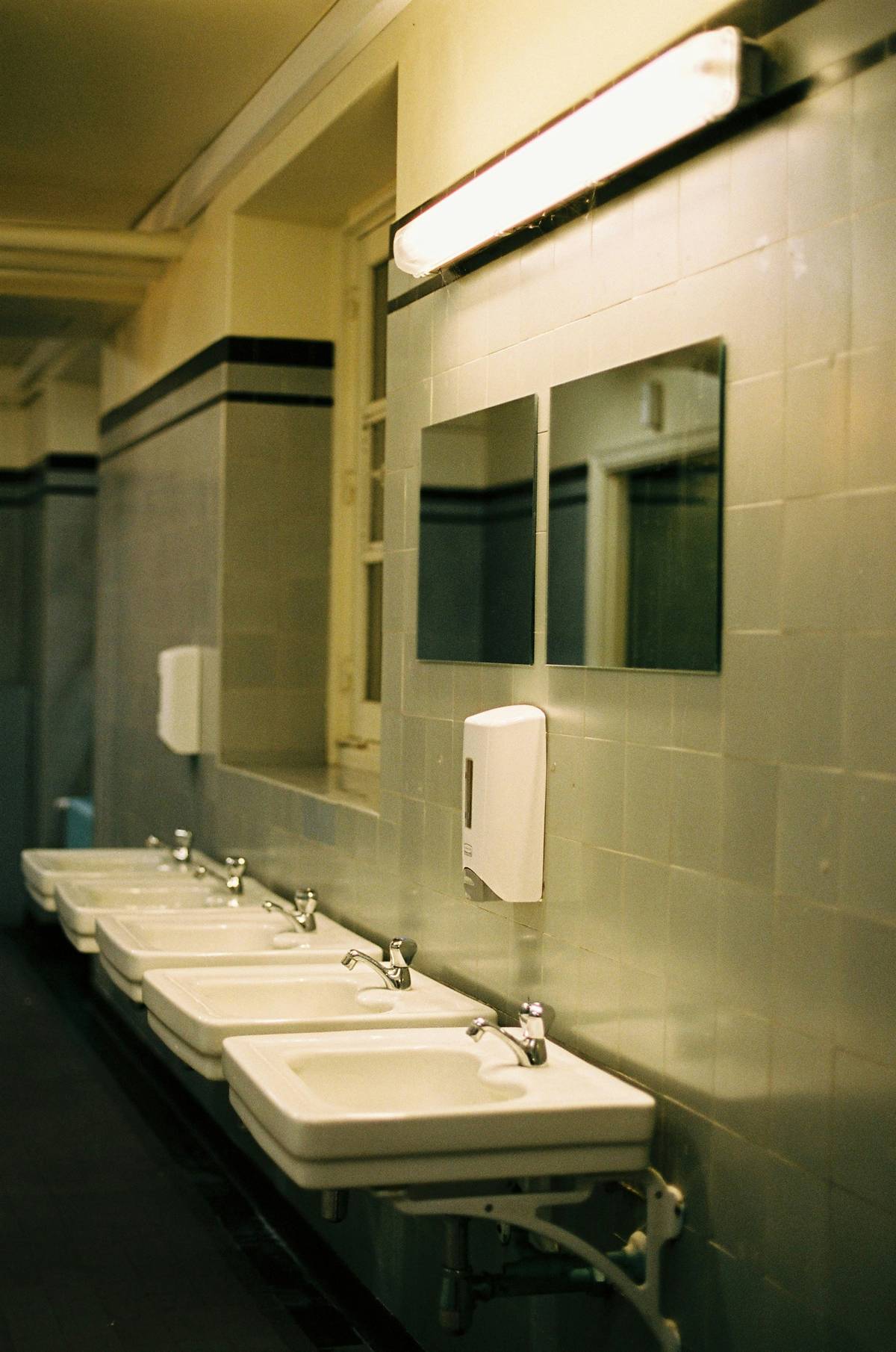
WHEN sanitation is missing from public space, it becomes more than inconvenience — it becomes a public health risk.
Photo courtesy of Unsplash/Buchen Wang
The legal framework is already in place. The Sanitation Code of the Philippines requires adequate toilet facilities in public spaces. The National Building Code of the Philippines mandates them within buildings, while Batas Pambansa Blg. 344 ensures accessibility. Local governments reinforce this with ordinances penalizing public urination, typically through fines ranging from P500 to P1,000 or community service.
The system is clear in theory: provide facilities, regulate behavior, maintain hygiene. However, there is no provision for a publicly accessible place where people can relieve themselves in a dignified manner. It is a difficult problem to resolve, as land is limited and funding is constrained, particularly for infrastructure that does not generate direct financial returns and with high operational expenditure.
It is worth noting that public restrooms do exist within parts of the system, as MRT stations provide facilities for commuters. Outside of these nodes, we often rely on alternatives such as gas stations, malls, and restaurants, which have effectively become the default providers of sanitation. These are functional but incidental solutions shaped by private operations rather than public planning, and therefore cannot guarantee consistent, universal access across the urban fabric, as their use is often contingent on being a patron.
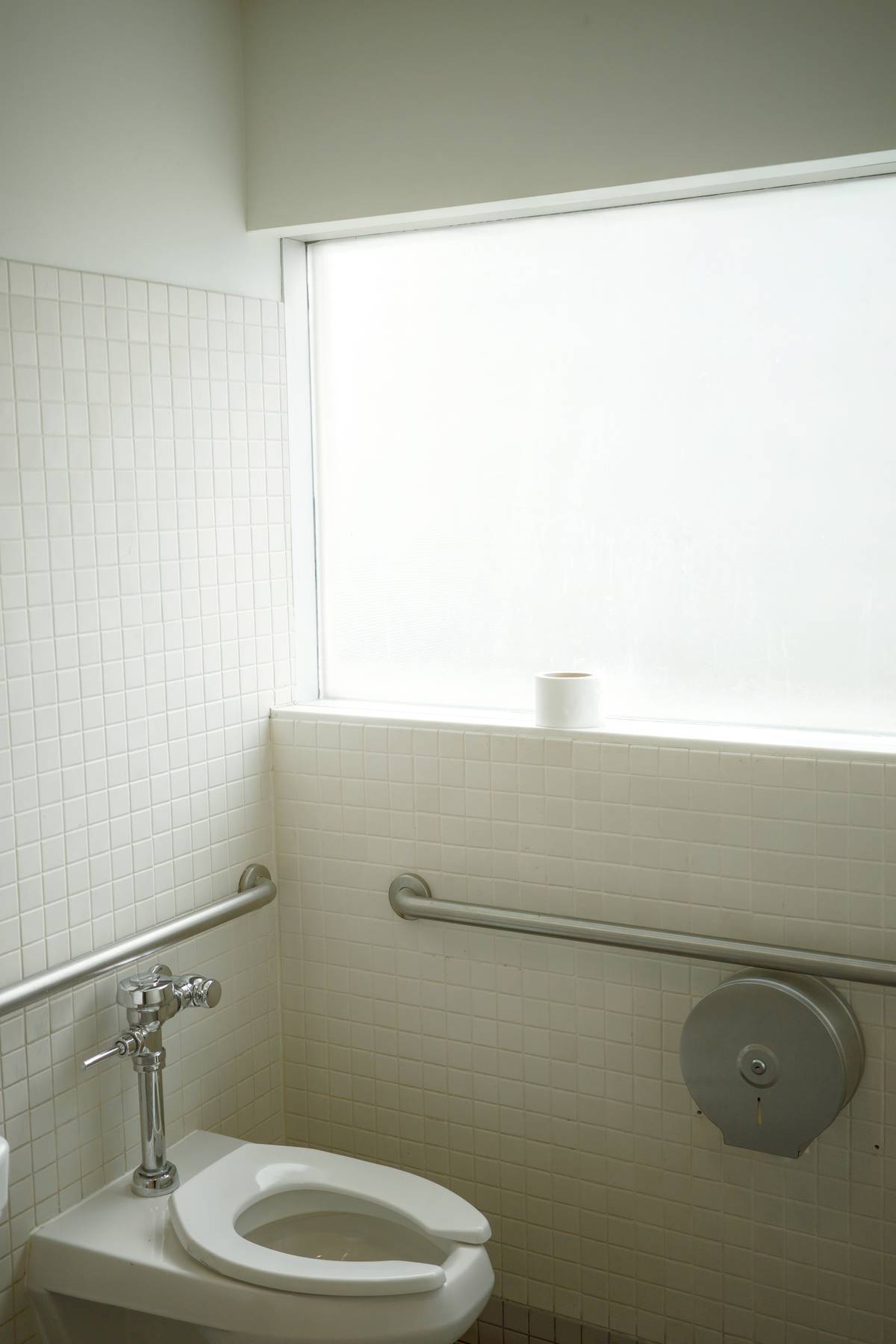
WHEN sanitation is missing from public space, it becomes more than inconvenience — it becomes a public health risk.
Photo courtesy of Unsplash/Buchen Wang
In the early 2000s, the Metropolitan Manila Development Authority introduced roadside urinals under the Metro Gwapo program in an attempt to manage sanitation at street level. The intervention was practical in containing public urination to specific locations. However, many of these facilities deteriorated over time due to weak maintenance systems and unclear operational responsibility.
Learning from this, we can look at how other cities across the globe have addressed this need.
In London, local governments pay an annual fee to partner establishments under the Community Toilet Scheme, guaranteeing access without constructing new facilities. Across Europe, automated “sanisette” units are installed along sidewalks, often requiring a small fee to use. Meanwhile, Singapore and Tokyo have programs that subsidize restroom upgrades while enforcing standards and clear operational accountability.
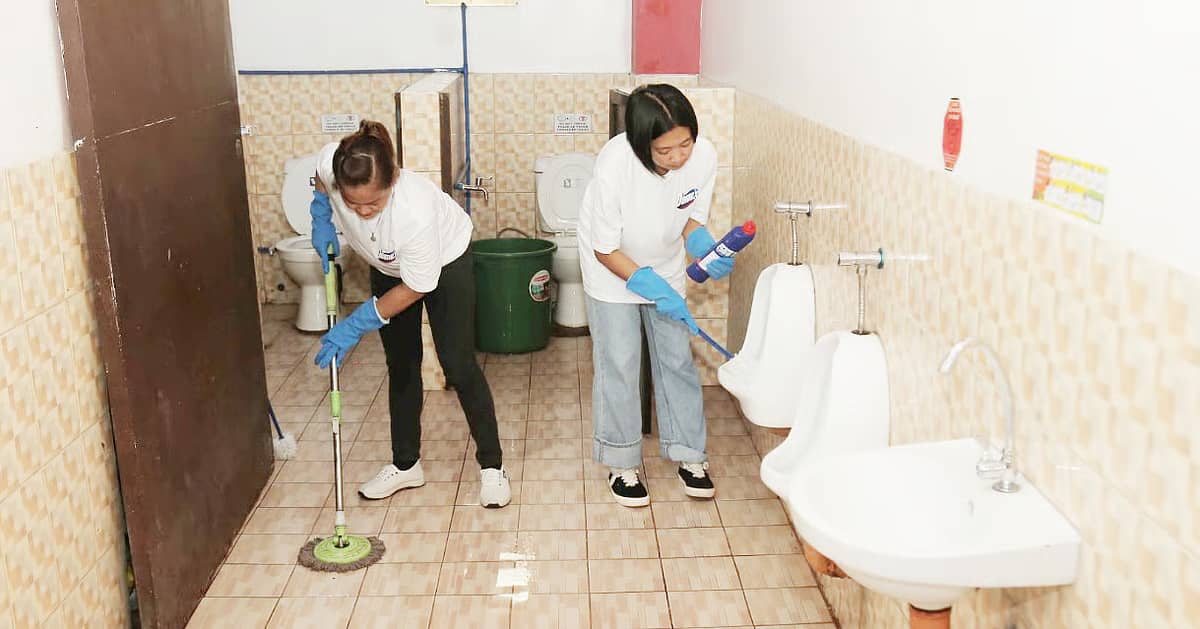
A city isn’t truly functional if basic human needs depend on luck — malls, gas stations and private establishments shouldn’t be the default system.
DAILY TRIBUNE FILE PHOTO
To avoid upfront construction costs, similar programs can be adapted locally. Local Government Units could partner with establishments, using a PPP framework to subsidize the public use of private bathrooms for maintenance and consumables. Another option could be tax-based incentives to achieve the same outcome. Standards can be layered onto this through targeted grants per facility, tied to enforceable cleanliness and accessibility benchmarks.
Public restrooms are not merely an amenity as they directly address a biological need. They are a baseline condition for a functioning city, allowing people to remain in urban spaces longer, translating to more time spent in commercial areas, higher foot traffic for businesses, and a more active street economy.
The question is whether we are prepared to fund, incentivize, and operate them as a system.