
Strength to stand
Studies show that even individuals in their 70s, 80s and yes, 90s, can gain strength through resistance training.


Text size
Studies show that even individuals in their 70s, 80s and yes, 90s, can gain strength through resistance training.
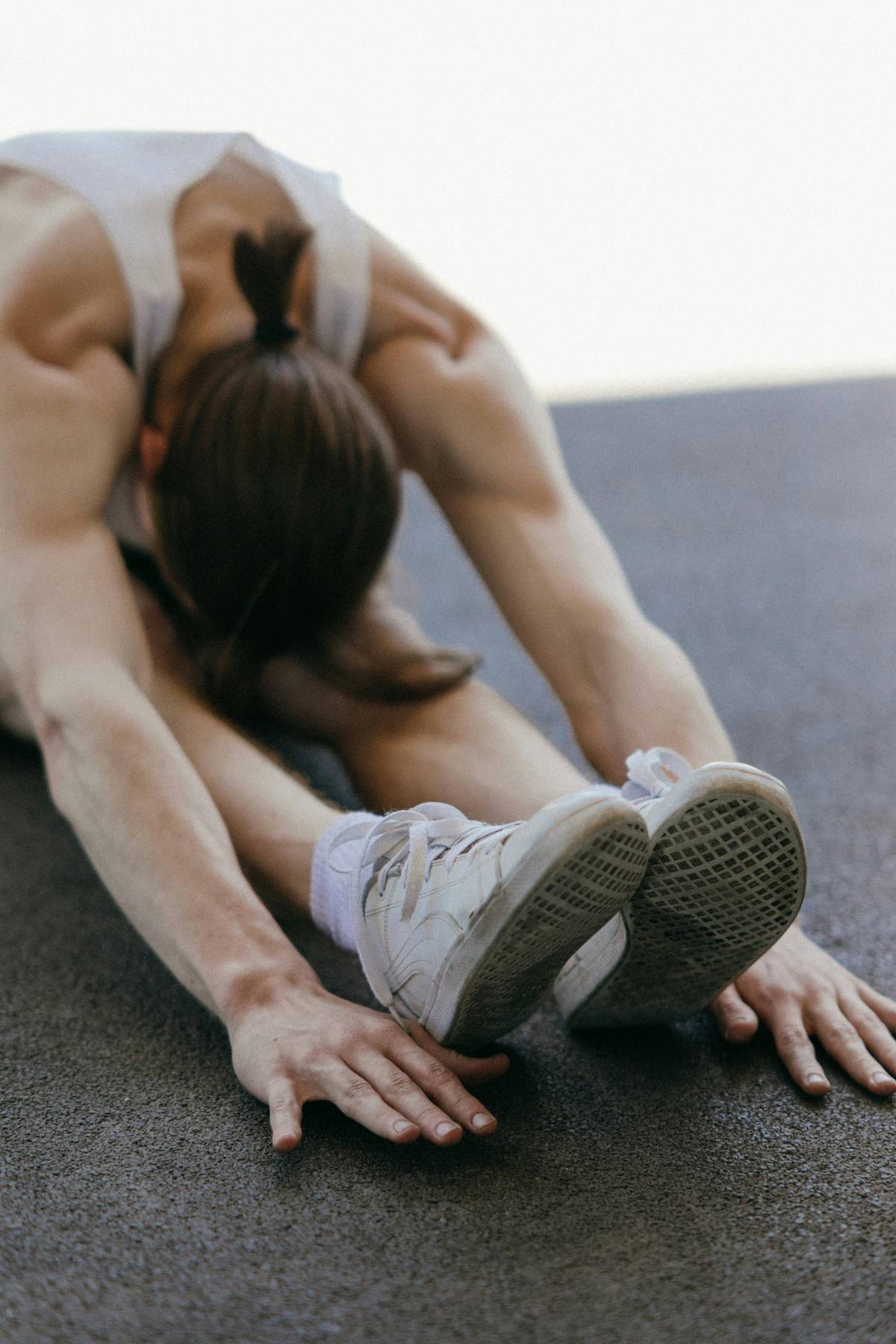
STRENGTH in later life is defined by function, not form.
Photograph courtesy of pexels/koolshooters
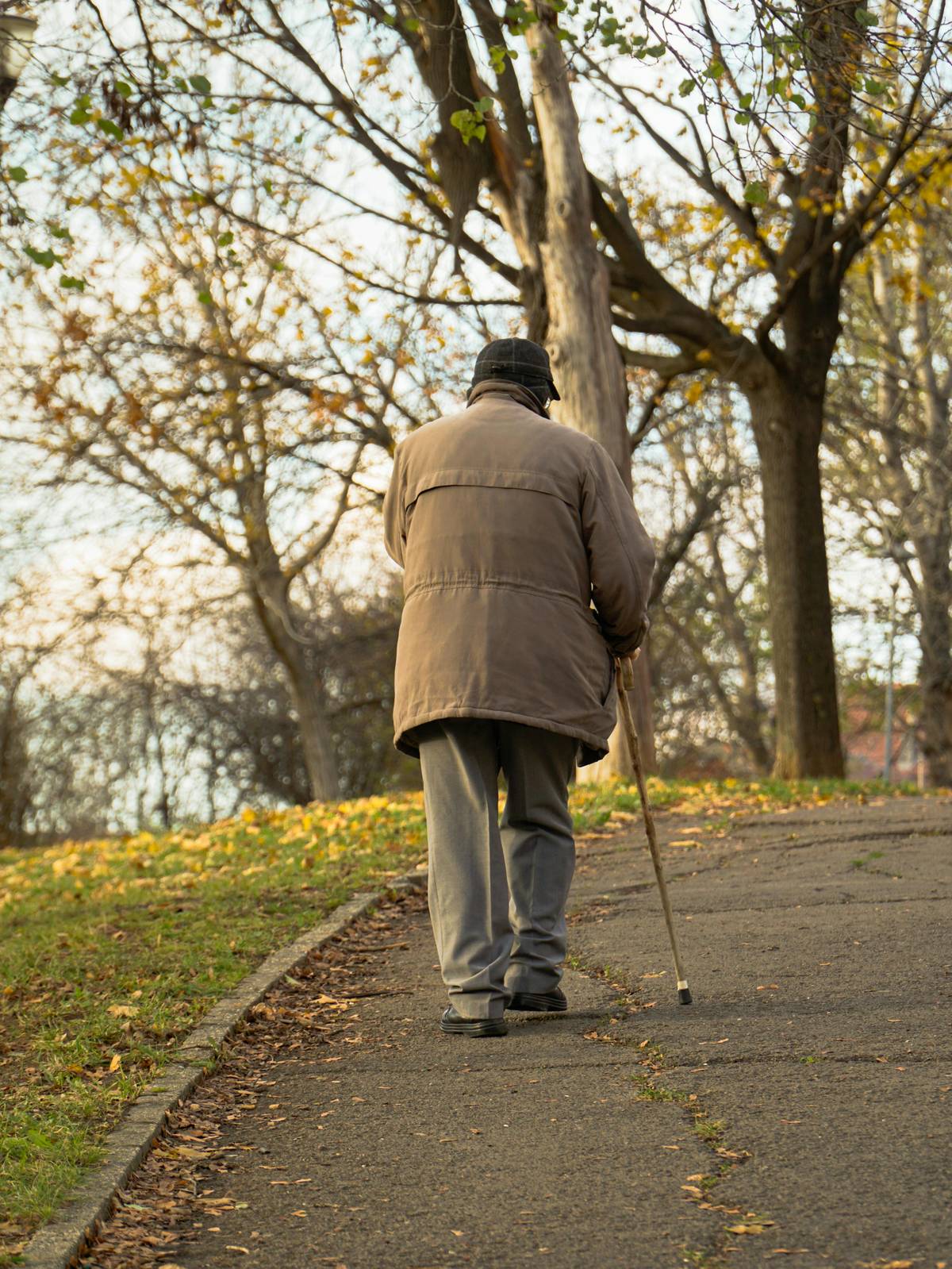
Independence in old age is built quietly through daily habits of movement and care.
Photograph courtesy of Pexels/Ninoslav Zivkovic
It was a simple statement, almost said in passing, but it lingered long after the clinic visit ended.
“Doc, I just want to be able to get off the toilet by myself when I’m 90.”
He is a 65-year-old man who came in asking how much exercise he should be doing at his age. No mention of six-pack abs. No dreams of marathons or scaling mountains. Just independence in its most basic, most dignified form.
We often think of fitness in terms of speed and agility, muscles and smaller waistlines. But as we age, the meaning of being “fit” quietly evolves. It becomes less about appearance and more about function. Less about performance and more about preservation. In the later decades of life, fitness is not only about adding years to life — it is about adding life to those years.
And sometimes, it is about something as profoundly human as standing up on your own.
In medicine, we call this functional independence — the ability to perform activities of daily living without assistance. These include walking, bathing, dressing, and yes, using the toilet. Losing this ability can mean dependence on others, increased risk of complications, and a diminished sense of self.
The good news? Functional decline is not inevitable. Much of it is preventable.
One of the most important, yet often overlooked, components of healthy aging is muscle strength. Beginning in our 30s, we naturally lose muscle mass in a process called sarcopenia. Without intervention, this accelerates over time, leading to frailty, falls and loss of independence. By the time someone struggles to stand up from a seated position, significant muscle loss has often already occurred.
But muscle, unlike many things in life, can be rebuilt at almost any age.
Studies have shown that even individuals in their 70s, 80s, and yes, 90s, can gain strength through resistance training. This does not require a gym membership or heavy equipment. Simple exercises — such as chair stands, wall push-ups, or resistance band routines — can make a meaningful difference. The goal is not perfection, but consistency.
Equally important are balance and mobility. A strong body that cannot stabilize itself is still at risk. Practices like Tai Chi, yoga, or even mindful walking can improve coordination and reduce the risk of falls — one of the leading causes of disability among older adults.
Nutrition plays its role as well. Adequate protein intake supports muscle maintenance, while calcium and vitamin D help preserve bone health — critical in preventing fractures that can abruptly change the course of one’s life.
And then there is the simplest, most powerful intervention of all: keep moving.
Walk. Stretch. Stand up. Sit down. Repeat.
Movement is medicine, and its benefits extend far beyond the physical. It improves mood, sharpens cognition and fosters social connection. In many ways, it ties together the physical, emotional and mental aspects of aging well.
As an endocrinologist, I often see the downstream effects of inactivity — diabetes, obesity, osteoporosis, frailty. But I also see the opposite — patients who, despite chronic conditions, remain remarkably independent because they have made movement a lifelong habit.
The patient who shared that wish with me understood something deeply important. Independence is not guaranteed by good intentions alone. It is built quietly, daily, through choices that may seem small in the moment but accumulate over time.
Taking the stairs. Standing up without using your hands. Carrying your own groceries. Going for that walk even when it feels easier not to.
These are not just activities. They are investments.
Because one day, many years from now, the question will not be how fast we can run or how much we can lift. It will be whether we can rise — steady, unassisted and without needing to call for help.
Early-stage cancer can be more easily treated than in the later stages. That is why doctors recommend regular cancer…
‘As far as I recall and based on the record, there is no showing.’
President Ferdinand Marcos Jr. is flying to Singapore for a five-day working visit upon the invitation of Singaporean…