
Solibao: Rhythm of Home in the Heart of Baguio
Baguio has always been home to us. It is where my parents chose to build not just a business, but a legacy. And in many ways, Solibao grew with the city - becoming part of its rhythm, its stories, and its people.


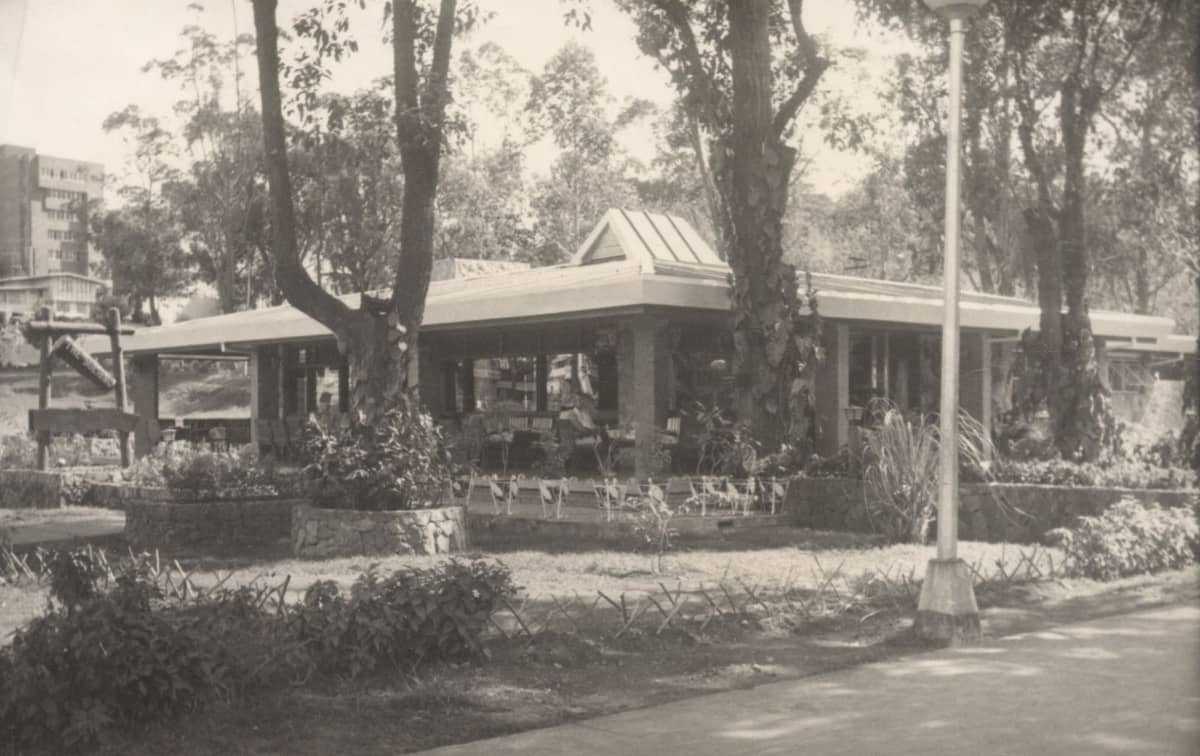
In 1972, in a quiet corner of Burnham Park, a small restaurant changed hands — and unknowingly began a story that would span generations. My parents, Moises and Zenaida Cating, took over that space and gave it a name that carried both meaning and memory: Solibao, the Ibaloi word for a traditional drum in the Cordillera.
More than just a name, the solibao symbolizes rhythm, gathering, and shared experience. It calls people together — and that is exactly what the restaurant would come to do.
Ours has always been a food—loving family. Even as life led some of us into professions like medicine, the values remained the same: To care, to serve and to connect. In many ways, Solibao became an extension of that calling. Food, after all, heals in its own way — it nourishes not just the body, but relationships, memories and community.
From the beginning, Solibao was never just a place to eat. It was a place to stay.
Growing up, it was where I would pick up my school baon for the day and where I would get an afternoon snack after school. We would have birthdays there, family gatherings. During busy times during the summer like Holy Week, my mom would be at the cash register and my siblings and I would be hanging around the park, riding bikes or the playground, always heading back for a meal, cold drink or ice cream cone.
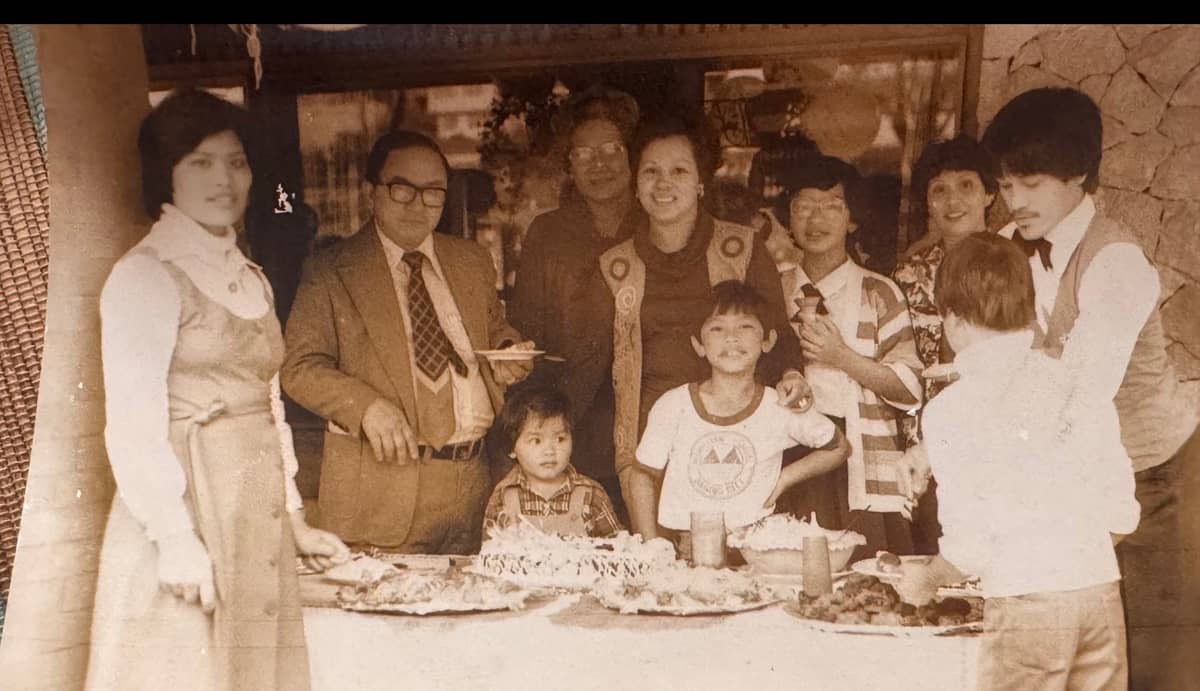
MY parents with three of the Cating children (my older sister, my brother, and the small girl in the middle is me.) This was probably taken in 1980.
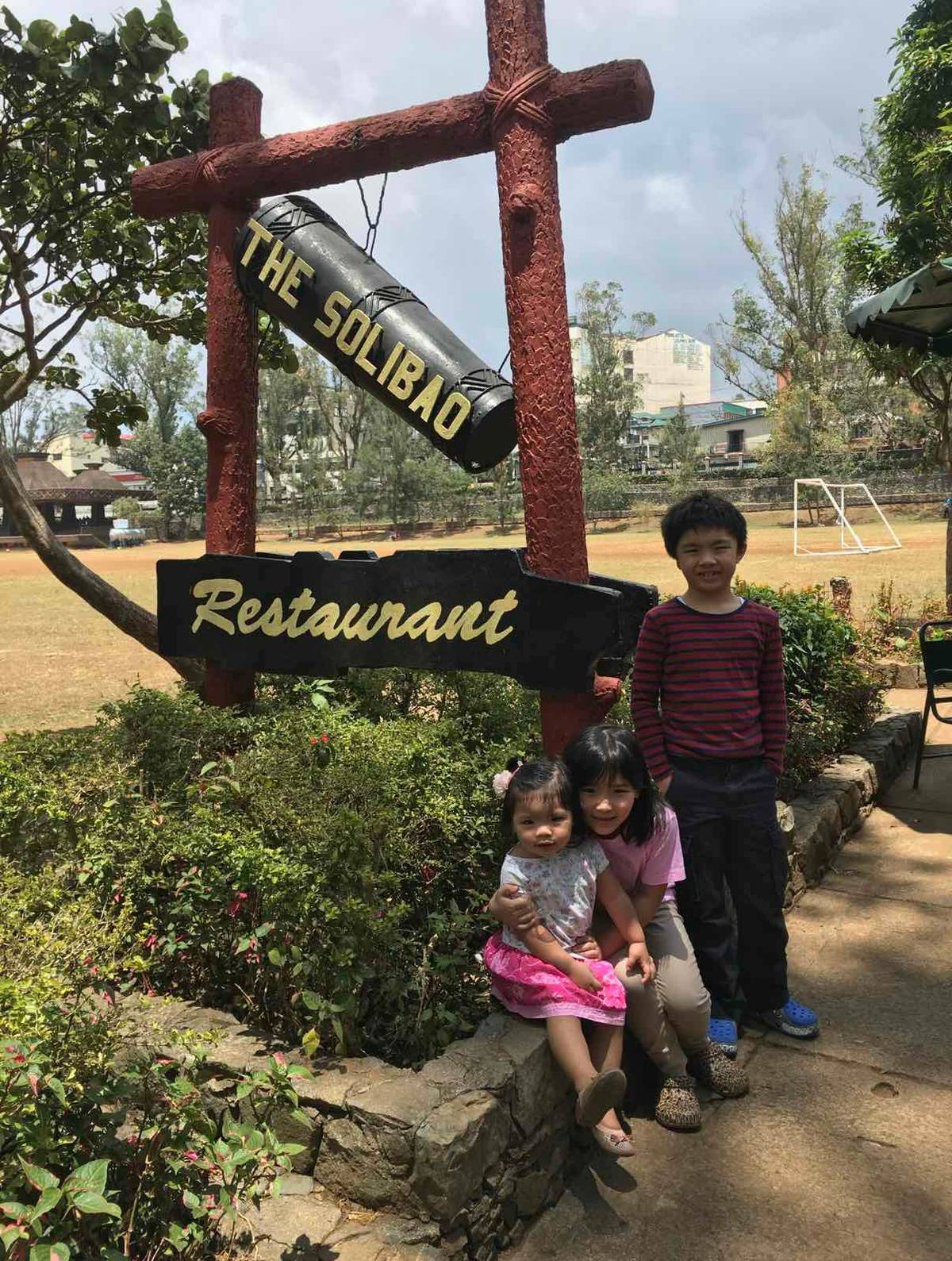
SOLIBAO sign taken in 2016, (these are my children) .
At times the restaurant would be so busy late into the night, and my mom would refuse to go home. My dad would take me with him to pick her up, and tell her that she had to go with him because I was in the car and would not be able to sleep until she came home.
Over the decades, our restaurant has welcomed families, students, tourists and balikbayans. Its location near Burnham Park made it a natural stop for visitors, especially during peak seasons — summer months from March to May, the Christmas holidays, and the vibrant Panagbenga Festival when Baguio bursts into color and celebration during February. But what has been most meaningful is not just the steady flow of new faces, but the return of familiar ones — guests who come back year after year, eventually becoming part of the Solibao story.
As the years passed, the restaurant grew alongside the city. Today, that growth includes other branches within Baguio, such as Ganza Restaurant (named after the Ibaloi gangsa for gong), allowing us to serve more people while preserving the same warmth and familiarity that defined our beginnings.
Fifty-plus years is no small feat, especially in an industry shaped by changing tastes and trends. Yet the secret has always been balance. We have remained faithful to the dishes people grew up with — our crispy pata, kare-kare and beloved grilled specialties — while quietly evolving to meet the needs of a new generation. The favorites — pancit palabok, fried lumpia, Ilocano empanada and famous puto bumbong – keep customers coming back. The flavors remain rooted in tradition, but the experience adapts, always guided by what our customers value most: comfort, consistency and a sense of home. That sense of home extends beyond the plate.
Step inside, and you’ll find more than just tables and chairs — you’ll encounter pieces of heritage carefully preserved through Cordilleran-inspired design and artifacts. A high relief in concrete by Baguio architect Francis Astudillo from 1972 adorns part of one wall above a fireplace that once burned wood logs. These elements are not merely decorative. They tell stories. They ground the space in culture and identity, offering diners not just a meal, but a deeper connection to place.
It is this combination — food, family, and heritage — that has made Solibao a true family restaurant in every sense. Large tables invite sharing. Meals are served for groups, not just individuals. It is common to see three generations gathered around one table, passing dishes, telling stories and creating new memories.
And sometimes, the most meaningful stories are the quiet ones.
There are countless anecdotes that have become part of Solibao’s legacy, but one stands out. For years, students would sit at the veranda — studying, meeting friends, or simply passing time. Some would stay for hours, even without ordering much. There would be businessmen conducting meetings, making one corner of the restaurant their makeshift temporary office. My parents never turned them away. It became an unspoken understanding: this was a space where you could stay, think and just be.
Years later, those same students return - now professionals, parents, and even grandparents. They bring their families and point to the same tables, saying, “Dito ako dati.” In that moment, you realize that Solibao was never just a restaurant. It was a witness to lives unfolding.
Baguio has always been home to us. It is where my parents chose to build not just a business, but a legacy. And in many ways, Solibao grew with the city — becoming part of its rhythm, its stories, and its people.
Like the drum it was named after, Solibao continues to beat steadily — calling people to gather, to share, and to remember.
Because in the end, it has never just been about food.
It has always been about belonging.