
Pro-Life Month: Garden of the unborn in Japan
A vibrant highlight of the Bambanti Festival, the Bambanti Village gathered the towns and cities of Isabela into a lively showcase of food, craft, heritage and imagination.


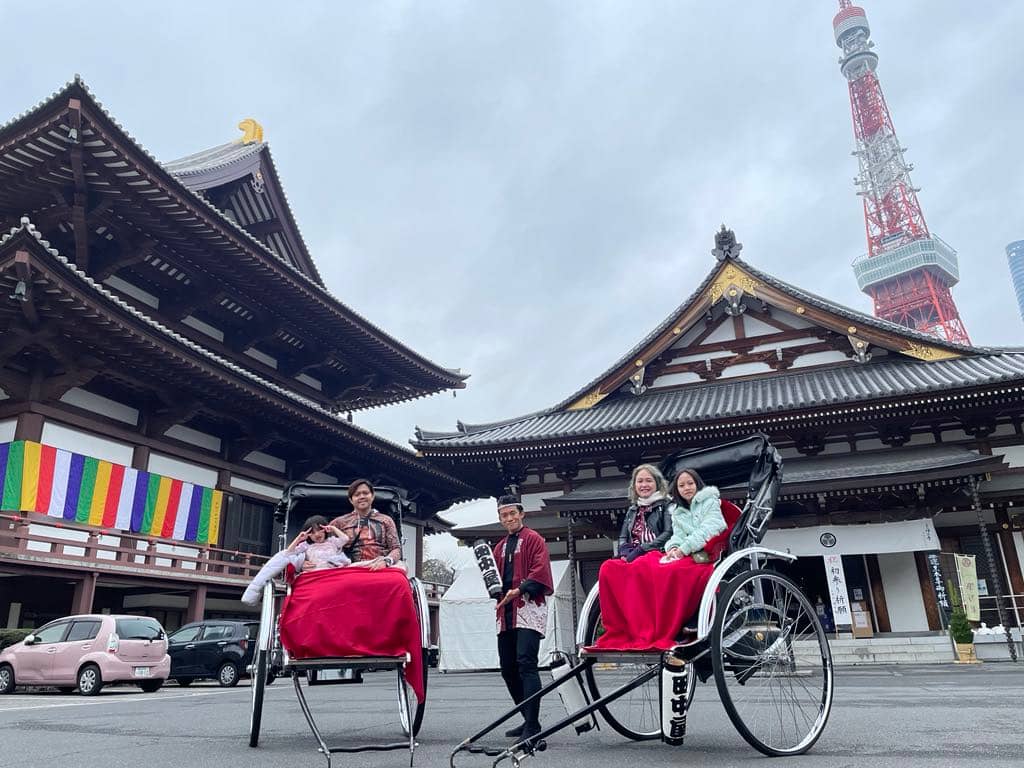
RIDING traditional human-pulled rickshaw with a photo-op in front Zojoji Temple and Tokyo Tower.
Every February, the world commemorates not only the Hearts Month, but also every person’s basic right to life through the Pro-Life Month.
In Japan, however, there is a place where it is Pro-Life Month year-round — no matter the season.
Smack right through the heart of Tokyo is Sentai Kosodate Jizo (The Garden of the Unborn Children) by the side of one of Japan’s most significant temples, Zojoji Temple.
Also called the “Unborn Children Garden,” the place is dotted with over a thousand Mizuko-Kuyo Buddhist monuments dedicated to unborn/prenatal children.
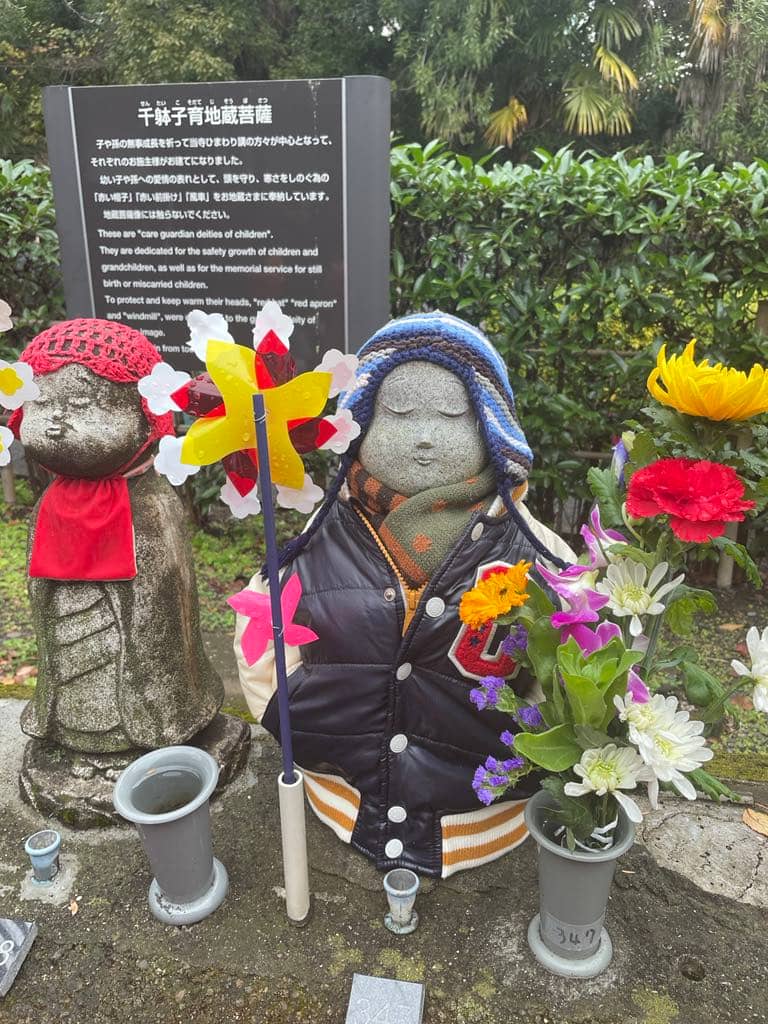
THE statues are adorned with clothing, toys and accessories by their families.
The stone Jizo statues might look so kawaii (cute) as many are even adorned with red hats, pinwheels, toys and bibs, and they are definitely instantly “Instagrammable.” But it is not a place for shooting irreverent lively TikTok feeds as the area is considered sacred. While it is a somber space dedicated to healing, mourning, remembering babies lost to stillbirth, miscarriage or abortion; and praying for their souls’ safe voyage to the afterlife, some of the statues represent children who continue to live and the statues serve as their families’ dedication for their protection, symbolized by the red hats.
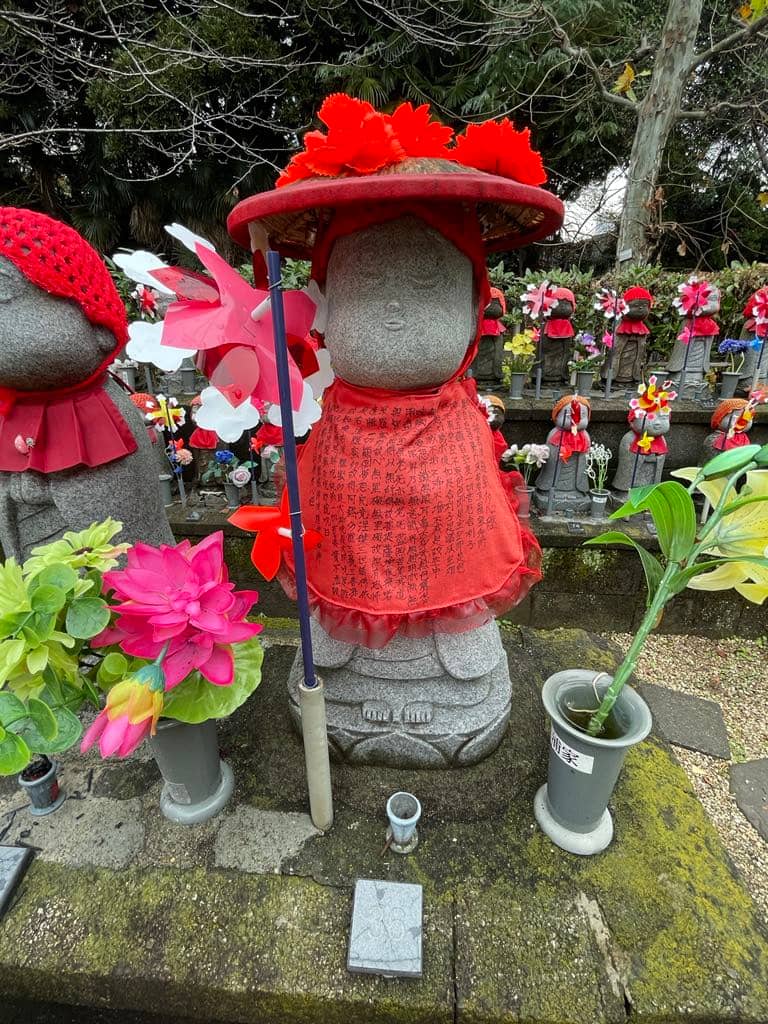
THE statues wear red hats symbolizing protection
Believed to predate Buddhist beliefs, a Jizo statue is a “bodhisattva” or one who achieves enlightenment but postpones “Buddhahood” to help others. It represents Jizo Bosatsu, a Japanese Buddhist deity revered as protector of women, travelers and souls of unborn, miscarried or deceased children. Thus, apart from Garden of the Unborn, Jizo statues are often found along roadsides and hiking trails to guide travelers and ward off evil spirits and illnesses.
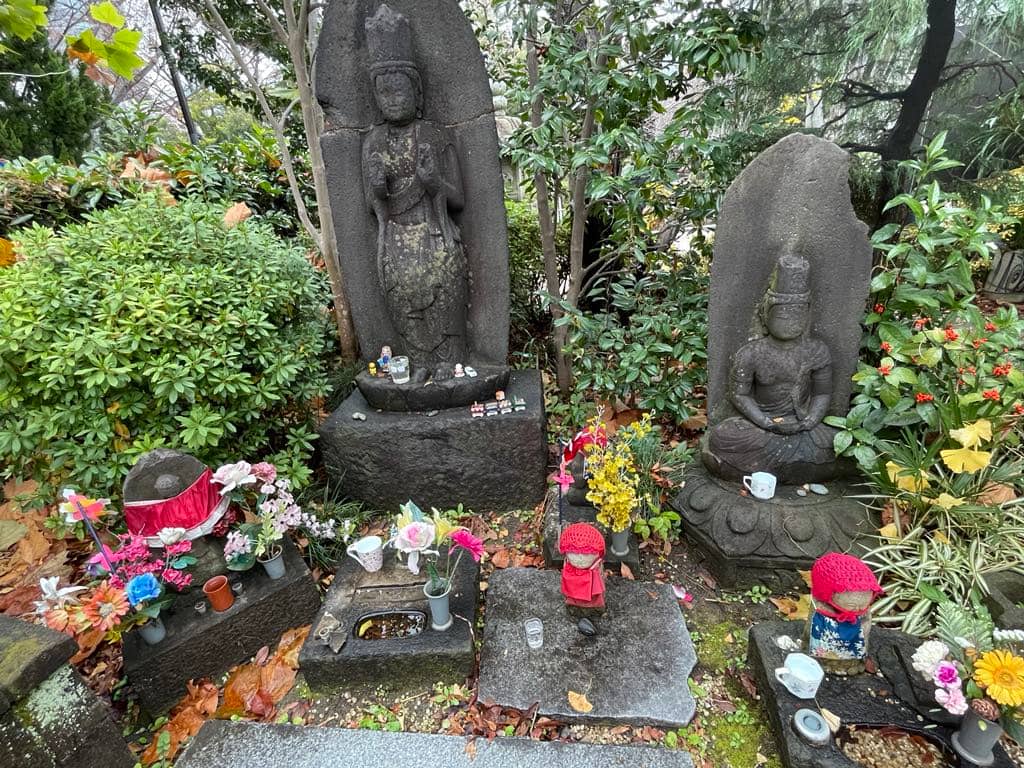
JIZO statues are believed to predate Buddhist beliefs.
Dating back to the 14th century, the 600-year-old Zojoji Temple is the main shrine of the Jodo-shu sect of Buddhism. Once the main temple of then ruling Tokugawa family, the still-active temple has resident monks and houses the pocket gardens where Tokugawa royalty used to have tea ceremonies; a basement museum and the mausoleum of six Tokugawa shoguns. Only the original main gate has been untouched by World War II, while the rest has been a recreation.
Besides visiting the temple and its Unborn Children Garden, a must-do when in Tokyo is riding a traditional, human-powered rickshaw, which stops at Zojoji Temple for a photo opportunity.
Just outside the temple, cap off your visit with a sweet potato snack — a quintessential Japanese street food that is cooked on-the-spot by a peddler on wheels, in a traditional firewood oven — it’s so hot and yummy, you’d forget your name or even that you were born at all.
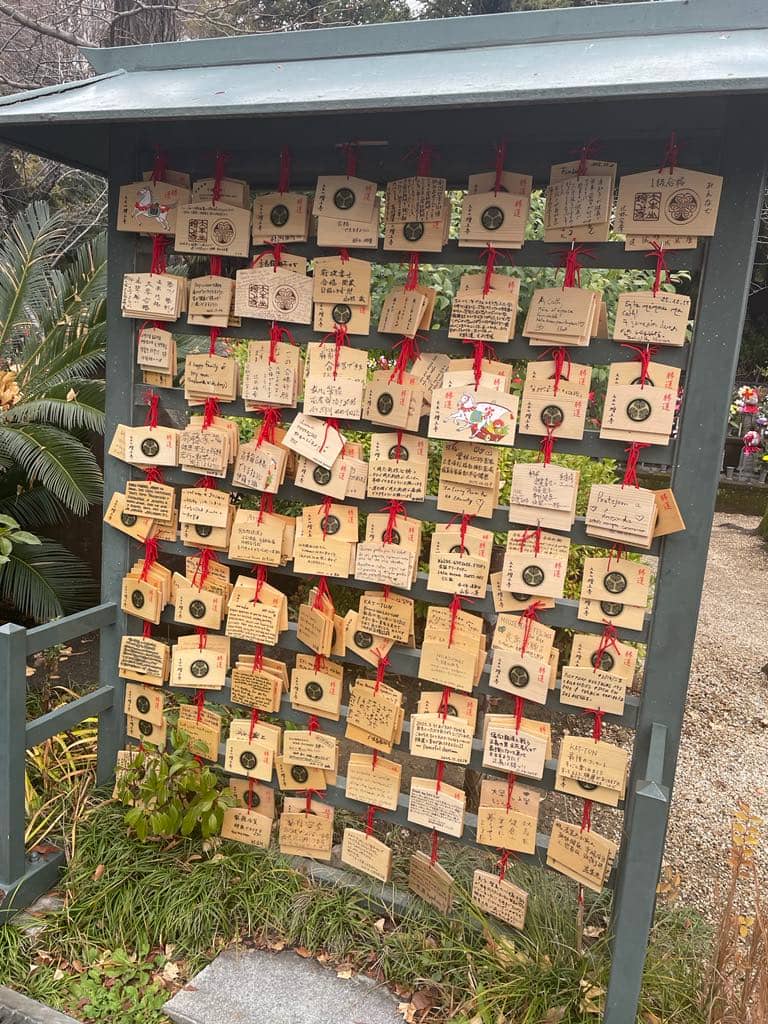
PRAYERS offered for children represented by statues in the garden.
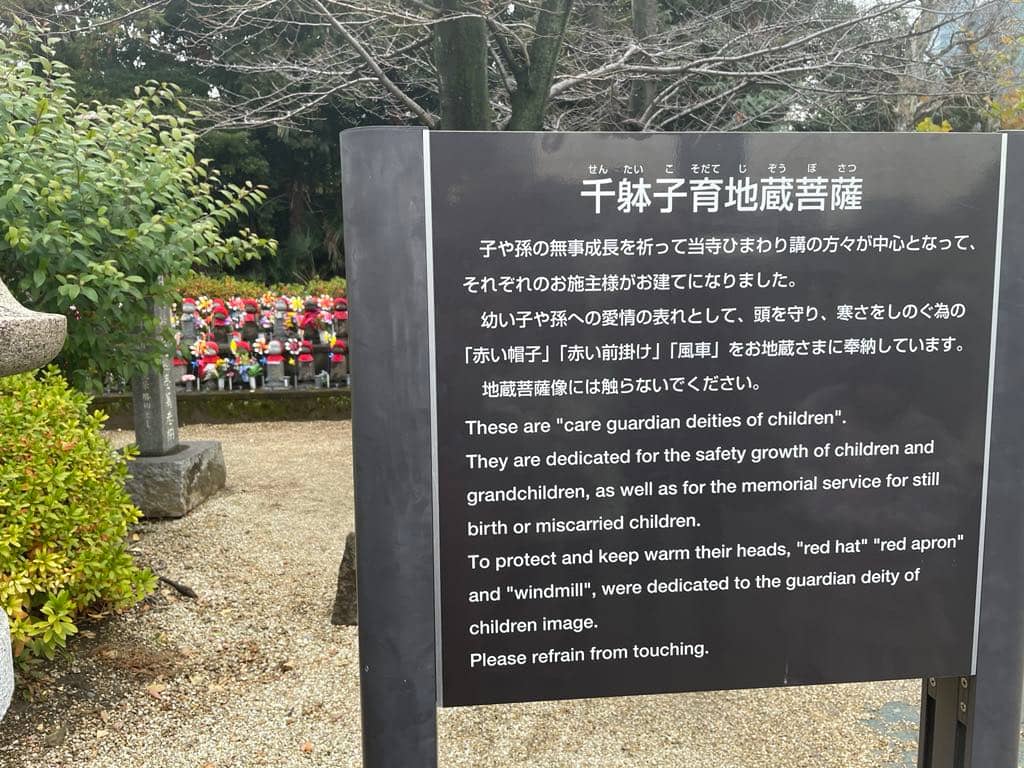
SIGNAGE explaining what the garden is for.