
Global scam hub

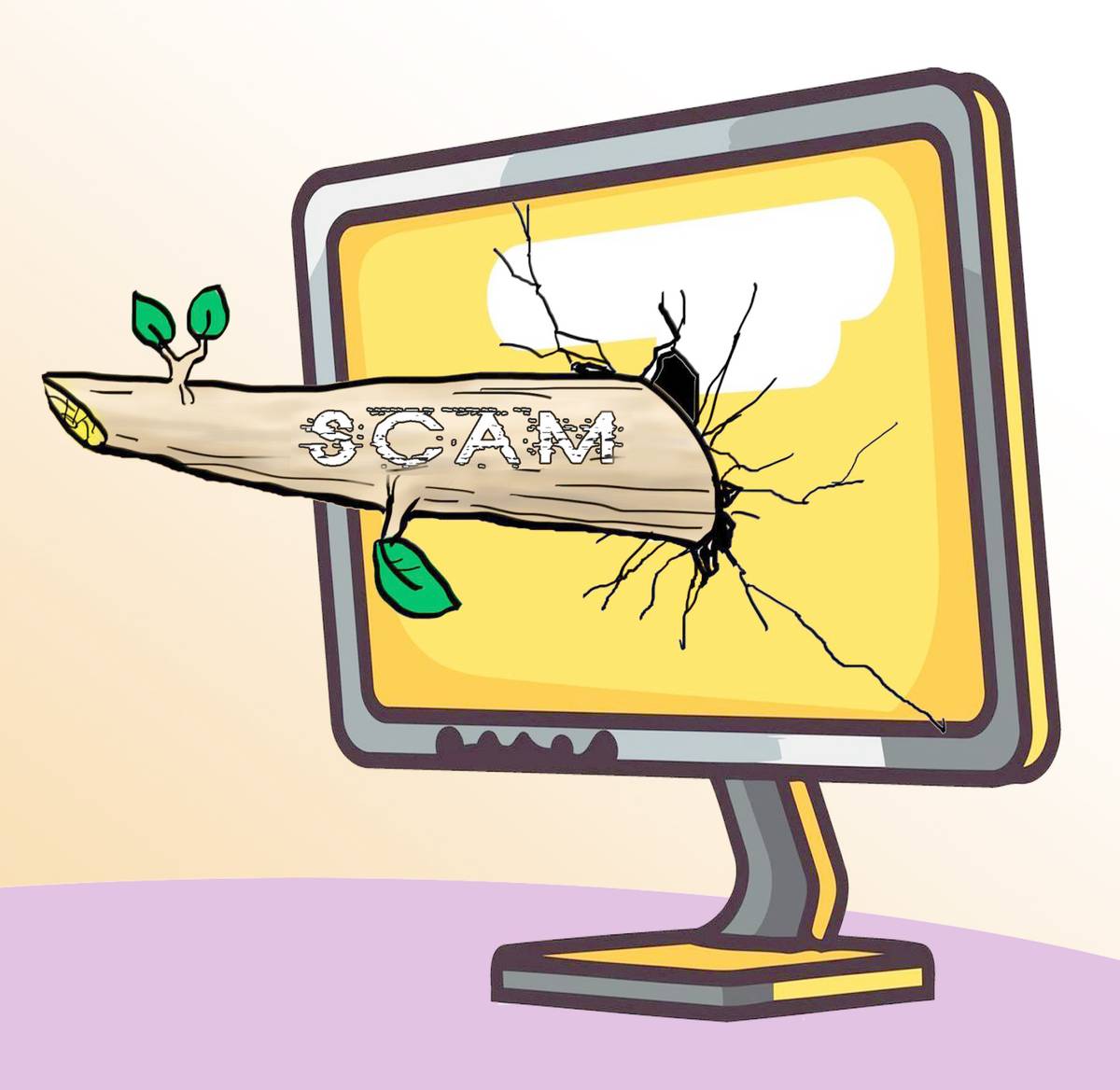
In a country that boasts of some of the most technology-engaged consumers comes the related risk of becoming the online fraud capital of the world.
According to a consumer credit firm report, the Philippines is grappling with a broad spectrum of fraud, particularly first-party fraud, more than any other market.
In a survey of business leaders, Filipino organizations appear to be adapting quickly to these threats, but scam attempts have not wavered.
Nearly two-thirds of consumers reported being targeted — a rate among the highest globally.
Phishing led as the top fraud scheme, according to the report. The high targeting rate underscores the need for consumer education, multi-factor authentication, and real-time fraud detection tools.
The suspected digital fraud rate in the first half of this year for account logins where the consumer was in the Philippines when transacting was 6.5 percent, above the global average.
This could reflect widespread phishing and smishing attacks in the region. For account creation from the Philippines, the rate was lower than the global rate at 3.3 percent. For financial transactions, the 1.1 percent rate was also below the global average.
Community-based platforms had the highest attack rate among the industries analyzed at 6.5 percent, reflecting the exploitation of social trust and user-generated content.
The high fraud rate in this sector underscores the need for stronger identity verification, behavioral analytics, and moderation tools to detect and prevent fraudulent interactions, according to the report.