




Belmonte reaffirms QC’s commitment to transparency and good governance

Text size
Three decades after the Marcopper mining disaster devastated Marinduque’s waterways, the province is again pressing the…
Housing is probably the biggest issue affecting people the world over.
Malacañang on Monday called for a more thorough investigation into the questioned flood control projects in Taguig…
The defense on Monday backed the move by senator-judges to exclude a prosecution witness who testified on the firearms…
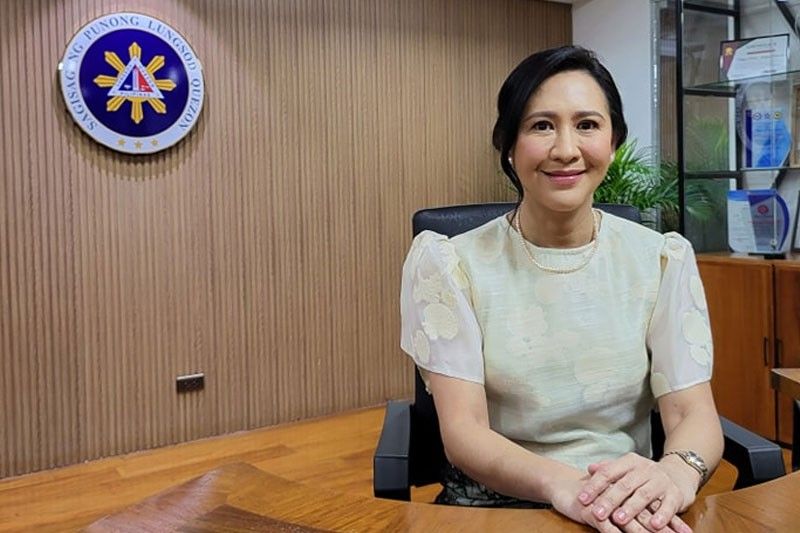
Quezon City Mayor Joy Belmonte reaffirmed the city government’s commitment to transparency and participatory governance during her 7th State of the City Address at the QC M.I.C.E. Center.
Belmonte emphasized that the city remains committed to upholding transparency, digitalization, public participation, and accountability in governance through its participation in the global Open Government Partnership (OGP) initiative.
“But we have proven that genuine change is possible when we muster the courage not only to be excellent but, more importantly, to be honest to the oath we have taken. We have been audacious in our actions and firm in our convictions,” Belmonte said.
To elevate the city’s efforts toward genuine transparency, the city will integrate the QC Open Data dashboard into the QC e-Services platform. This will feature information on various city government projects, including the list of infrastructure projects.
A digital application will also be launched, where QCitizens can post their comments, suggestions, and complaints about city government projects and programs.
Through responsible and sound financial management, the local government has increased the city’s annual budget without putting additional burden on residents. This year, the government allocated 54 percent of the P41.3 billion annual budget to programs on education, health, housing, and livelihood.
The city has allocated over P6 billion to the education sector, meeting the UNESCO benchmark of spending at least 15 to 20 percent of public expenditure on education. A total of 458 infrastructure projects were completed for public schools across the city, benefiting over 410,000 students.
QC is also among UNESCO’s 13 pilot Media and Information Literacy cities in the world, which are actively promoting critical thinking and combating disinformation and misinformation.
Through the P5 billion budget for the health sector, various health services were strengthened, such as the free maintenance medicine program, mental health interventions, and early cancer detection.
The social services were also among Mayor Belmonte’s priorities. This year, P125 million was allocated for the libreng libing program. The No Woman Left Behind program also provided opportunities for persons deprived of liberty in the female dormitory. In December, the No Juan Left Behind program will be launched in the male dormitory.
Before the year ends, the local government also pledged to provide safe and decent housing for 30,000 QCitizen families. QCitizen Homes in Cambridge, Balingasa, and Urban Deca will further provide additional homes for residents.
The city continues to prepare for the “Big One.” Recently, the QC Disaster Risk Reduction and Management Office (QCDRRMO) conducted a Walk the Fault activity to determine establishments situated along the West Valley Fault.
Through the QC ReVibe, the city can reclaim and beautify sidewalks, promoting QC as a safe and walkable city. The local government also illuminated the entire Elliptical Road to protect residents and bikers traveling at night.
In partnership with San Miguel Corporation, the city is also conducting dredging operations in the waterways, especially in the San Juan River. To date, SMC and QC have dredged 1.4 million cubic meters of debris.
The city government installed solar panels in city hall buildings, hospitals, and schools to promote renewable energy and reduce fossil fuel consumption. To further reduce carbon emissions, the city acquired hybrid motor vehicles and added eight fully electric buses to the Q City Bus Program.
QC also avoided plastic and unnecessary waste by implementing the prohibition of single-use plastics in the city hall compound and Quezon Memorial Circle.
To minimize textile waste, Kilos Kyusi was strengthened and reinforced through the establishment of the QC Circularity Hub in partnership with ANTHILL Fabric Gallery.
Believing that good governance must start at the grassroots, a total of 339 barangay officials completed the governance executive courses at Quezon City University.
To ensure participatory governance, the city has strengthened the People’s Council of Quezon City. As of this writing, the city has 1,596 SEC-accredited organizations, with more expected in the coming months.
Meanwhile, QC Vice Mayor Gian Sotto discussed how the Quezon City Council collaborated with the Executive Department to improve the lives of residents.
For the past three years, the Sangguniang Panlungsod has approved a total of 1,487 measures focused on promoting the health, livelihood, education, and welfare of QCitizens.
“Gawin natin ang tama, hindi lang sa mata ng kapwa kundi higit sa lahat, sa mata ng Diyos. Tayo po ay naniniwala na ito ang tanging paraan para maipaglaban at mapanindigan ang pagiging tapat sa taong bayan,” (“Let us do what is right—not only in the eyes of others but, above all, in the eyes of God. We believe this is the only way to fight for and uphold integrity in public service,”) Vice Mayor Sotto said.
The 7th SOCA of Mayor Joy Belmonte was attended by national and local officials, barangay and Sangguniang Kabataan officers, and representatives from private and non-governmental organizations.
“The city government will strive to earn your trust every single day. Patuloy po tayong makikinig at magiging bukas. At mas lalo pa tayong magsisikap para mas marami sa ating mga kababayan ang ating maiangat,” (“We will continue to listen and remain open. We will work even harder to uplift more of our fellow citizens,”) the mayor added.
