
Hungarian novelist and Nobel laureate László Krasznahorkai's 'weight of bitterness'
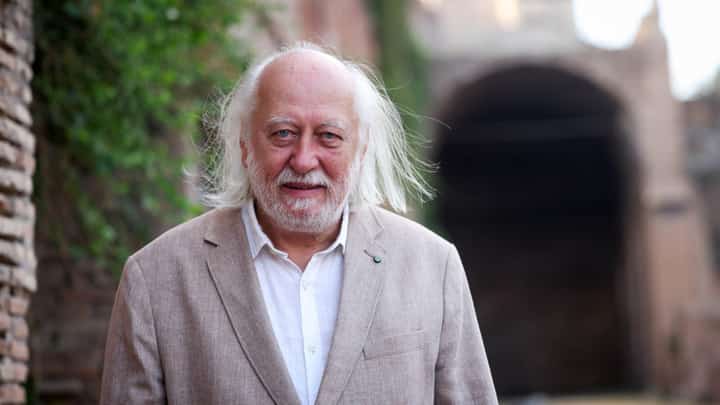
The world's status has greatly inspired the Hungarian novelist and now Nobel Prize in Literature winner László Krasznahorkai.
Krasznahorkai was recognized by the Swedish Academy for his works, which they describe as a "compelling and visionary oeuvre that, in the midst of apocalyptic terror, reaffirms the power of art."
Known for his labyrinthine sentences, bleak philosophical undertones and deep reflections on the collapse of modern civilization, Krasznahorkai has long been considered a cult figure in European literature. His portfolio includes the acclaimed novels Sátántangó, The Melancholy of Resistance and Seiobo There Below.
Born in 1954 in Gyula, Hungary, Krasznahorkai rose to prominence in the 1980s and later gained international recognition through English translations of his work and cinematic collaborations with director Béla Tarr. His writing explores themes of disintegration, alienation and the search for meaning in a fractured world — topics the Nobel Committee noted as being "more urgent than ever."
"Through narratives that defy traditional structure, Krasznahorkai confronts us with a world unraveling — and yet, within the ruins, his language insists on the beauty of thought and the persistence of the human spirit," the Academy’s permanent secretary Mats Malm said.
Krasznahorkai is the second Hungarian writer to receive the Nobel Prize in Literature. He followed Imre Kertész in 2002.
In a report by the Indian Express, Krasznahorkai said it's the "world's bitterness" that fuels his writing. He said, “I am very sad if I think of the status of the world now. This is my deepest inspiration.”