




PhilRice mulls Phl silicon mapping

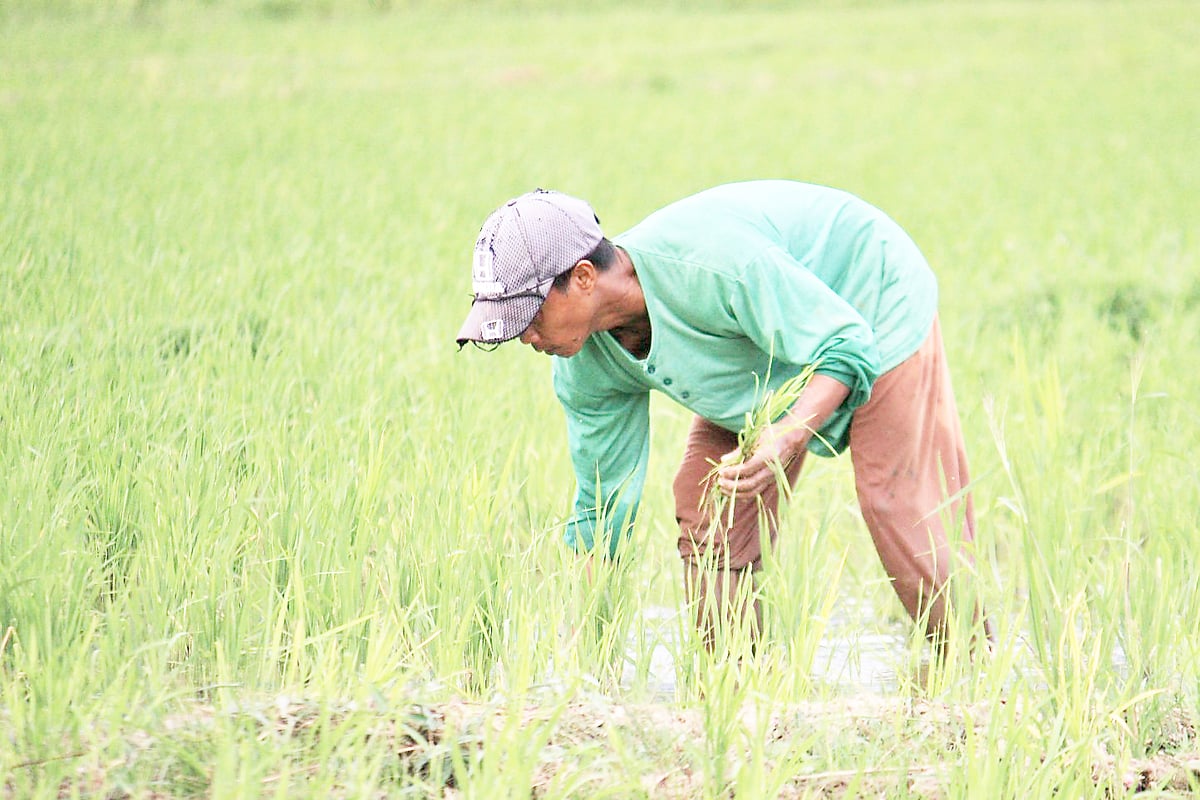
The Philippine Rice Research Institute (PhilRice) is moving to implement silicon mapping across the country to help farmers reduce yield losses caused by strong winds and heavy rains during the wet season.
PhilRice scientist Jan Nico Lazaro explained that silicon is a naturally occurring mineral that can strengthen rice stems and reduce lodging — the flattening of the crop — which is a major cause of harvest loss.
Lazaro and his team evaluated 101 rice lines and varieties to determine their silicon absorption efficiency and how it impacts stem sturdiness. The research, titled “Silicon Mapping: A Potential Tool to Assess Lodging Resistance of Rice,” found that rice with higher silicon absorption tends to develop stronger stems, improving resistance to lodging.
To get precise measurements, the researchers analyzed silicon content in the flag leaves of rice plants during the reproductive stage. They used a push meter to test stem strength and a Scanning Electron Microscopy with Energy Dispersive X-ray (SEM-EDX) technology to detect silica deposits on the leaves.
The study found that the rice line NSIC Rc 536 had the highest pushing resistance, indicating the sturdiest stems. However, Rc 298 had the highest silicon content, at 18.37 percent by weight, but showed lower stem strength.
The team noted that these results suggest factors beyond silicon, such as genetics and overall plant structure, also influence lodging resistance.
“Silicon is not yet classified as an essential nutrient, but it’s been shown to help cope with stress,” Lazaro said.
A traditional dish called zongzi is served during China’s Dragon Boat Festival, which falls in June. It is a rice…
Divina credited the firm’s achievements to its members, thanking them for their ‘hard work, dedication, teamwork, and…
‘Sec. Vince Dizon, please explain how this finding of your own team should not be flagged as a ghost project in Taguig.’
