
How to stay cool without aircon during extreme heat
Stay hydrated, stay indoors when you can, and remember: Even without air conditioning, you have the power to keep your home cooler and your body safer.


The Philippines is no stranger to heat, but this summer has pushed temperatures — and people — to the brink. The heat index, which measures what the temperature feels like when humidity is factored in, has consistently soared past 40°C in many parts of the country. In some areas, it has reached a scorching 45°C to 47°C, prompting warnings from health and weather authorities to stay indoors and stay hydrated.
This level of heat is not just uncomfortable — it’s dangerous. High heat index levels can lead to heat exhaustion, dehydration, and even heat stroke, especially for the elderly, children, and those with pre-existing health conditions. For many Filipinos, the natural response is to blast the air conditioning. But with rising electricity costs and concerns about sustainability, not everyone can — or wants to — rely on AC 24/7.
Thankfully, there are several low-cost, energy-saving ways to cool your home and body without air conditioning. Here are practical tips to beat the heat:
1.Open your windows at night
If you’re in an area where the evening temperature drops even slightly, take advantage of this by opening your windows at night. This allows cooler air to circulate throughout your home. Just remember to shut them early in the morning before the sun starts heating things up again.
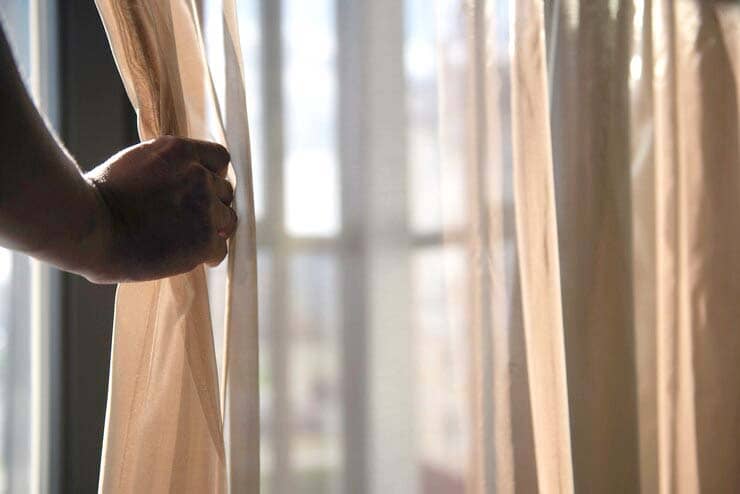
Keep blinds, curtains, or shades drawn during peak sun hours.
2. Keep your curtains closed during the day
Sunlight streaming through your windows brings in more than light — it brings heat. Keep blinds, curtains, or shades drawn during peak sun hours (usually 10 a.m. to 4 p.m.). Use light-colored or reflective curtains to block and reflect heat away from the room.
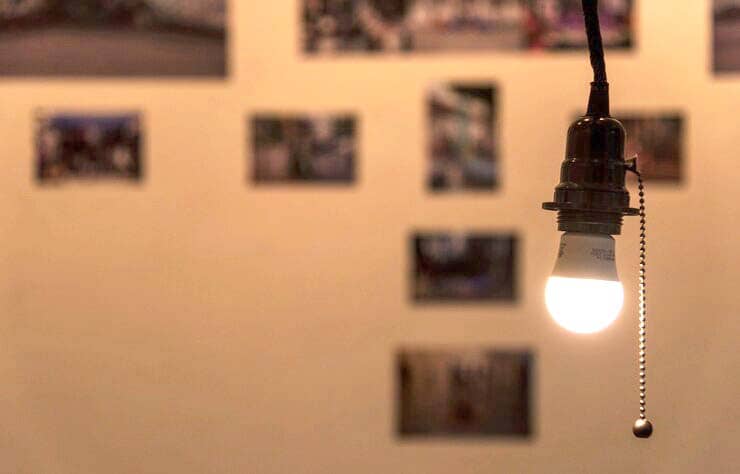
Switching LED light bulbs reduces room heat.
3. Switch to LED bulbs
Traditional incandescent bulbs waste about 90 percent of their energy as heat. Swapping them out for LED or CFL bulbs not only reduces room heat but also lowers your electric bill.
4. Cook after sunset (or take it outside)
Ovens, stovetops, and even rice cookers radiate a lot of heat. If you need to cook, do it after the sun has set — or better yet, take your cooking outdoors and fire up the grill. Bonus: You’ll avoid making your kitchen feel like a sauna.
5. Use fans smartly
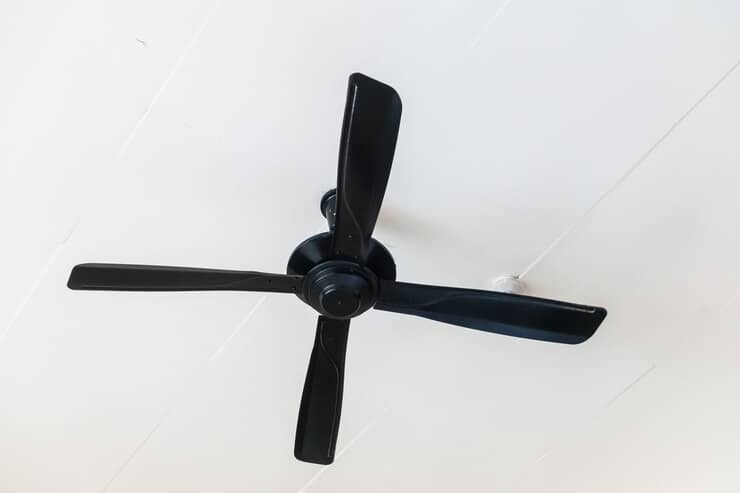
Fans don’t actually cool the air — they move it. Position them near windows at night to draw in cooler air, or angle them to push hot air out. For an extra chill, place a bowl of ice in front of the fan to simulate an improvised air cooler.
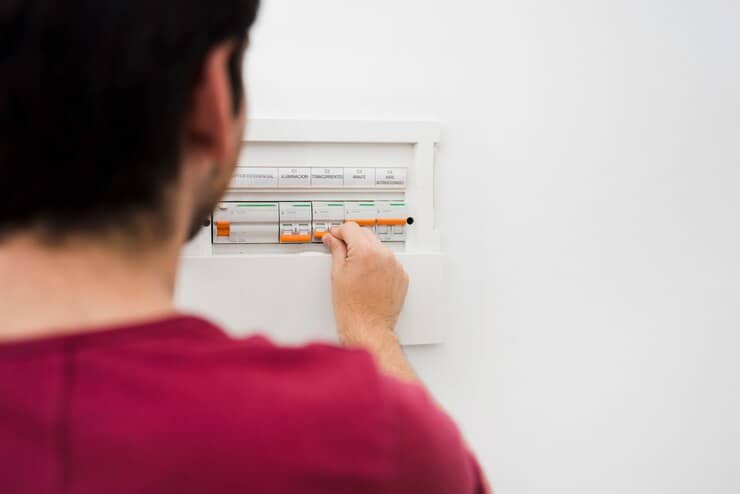
As tempting as it is to simply turn on the air conditioner, consider turning these off first for simpler ways to cool off a hot day.
6. Try DIY evaporative cooling
Place damp towels or a pan of cold water in front of an electric fan. As the water evaporates, it will help cool the air slightly — a trick that’s especially helpful in areas with lower humidity.
7. Use exhaust fans wisely
Kitchens and bathrooms can trap hot air and humidity. Use your exhaust fans while cooking or showering to draw that heat out of the house quickly.
8. Sleep lower to the ground
Heat rises, so if your home has multiple levels, consider sleeping downstairs. On especially hot nights, a floor mattress will feel cooler than a raised bed.
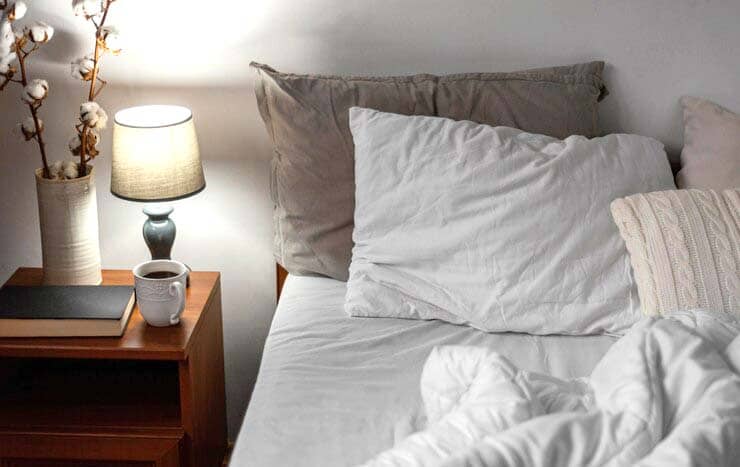
Swap beddings made from synthetic fabric for those made from cotton and linen.
9. Switch to breathable bedding
Cotton and linen sheets breathe better than synthetics and can help wick moisture away from the body. Consider cooling pillows or gel mattress pads designed to keep you from overheating during the night.
10. Block heat from outside
Installing reflective film or exterior shades over west-facing windows can dramatically cut down on indoor heat. Shade trees, awnings, or even a makeshift tarp outside the sunniest part of your home can also make a difference.
The bigger picture
This year’s intense heat waves are more than just seasonal — they’re part of a growing global trend influenced by climate change. Urban areas, in particular, suffer from the “heat island effect,” where buildings, roads, and concrete trap heat. For densely populated cities in the Philippines, this can make already dangerous heat indexes even worse.
While the government issues advisories and class suspensions when temperatures climb, individuals must take initiative to protect themselves and their families. These home-cooling strategies are cost-effective, environmentally friendly, and most importantly, life-saving in extreme heat.
Stay hydrated, stay indoors when you can, and remember: Even without air conditioning, you have the power to keep your home cooler and your body safer.