 Daily Tribune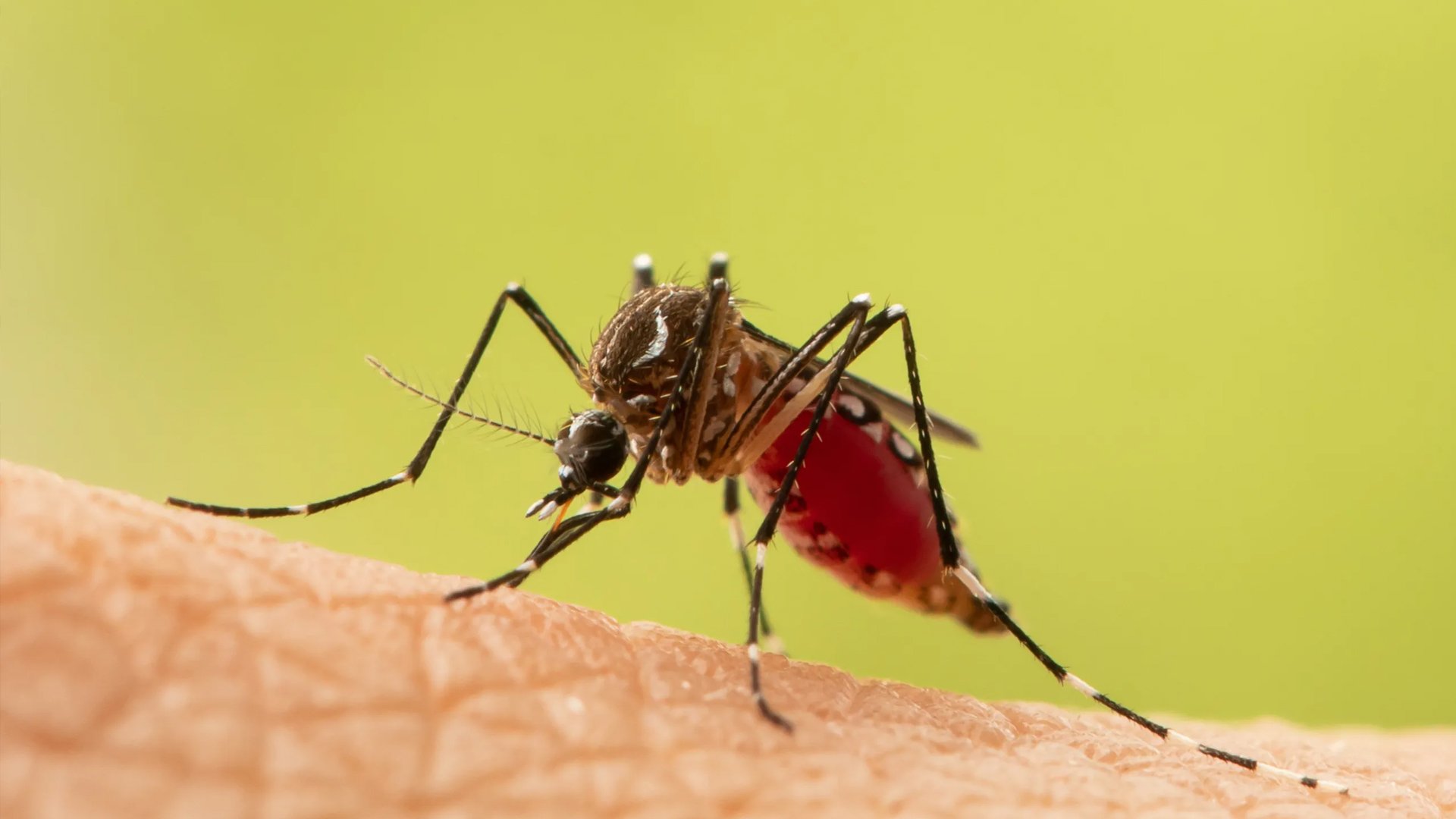
(File Photo)
The Department of Health (DOH) saw a 3-percent decline in dengue cases in the country from March to April.
Case counts dipped from 5,380 last 24 March to 6 April to 5,211 last 7 to 20 April.
"There is a larger drop, by around 30 percent, if the period April 21 to May 4 is to be considered when only 3,634 cases were recorded," the DOH noted.
It, however, said that case counts may still change with late reports coming in.
From the start of the year up to 4 May, 59,267 dengue cases have been logged by the Health department. Of the figure, the DOH recorded 164 fatalities.
Dengue symptoms
Dengue is caused by a virus that mosquitoes spread to people. It is common in tropical climates like what the Philippines has.
Most who get dengue will not experience symptoms, but should there be, the most common are high fever of 40° Celsius, severe headache, muscle and joint pains, nausea, as well as rashes.
There may also be pain behind the eyes, vomiting, and swollen glands.
Symptoms start four to 10 days after exposure from a mosquito bite, and can last for two to seven days. Most will get better in one to two weeks.
Some people get severe dengue which can be fatal, and will have to be treated in a hospital. Symptoms of severe dengue often come after the high fever has gone.
These symptoms include: severe abdominal pain, persistent vomiting, rapid breathing, bleeding gums and nose, fatigue, restlessness, blood in vomit or stool, intense thirst, pale and cold skin, and feeling weak.
Treatment and prevention
Dengue is treated for its symptoms, often with pain medicine, as there is no specific treatment at present. The best way to prevent dengue is to avoid mosquito bites, especially during the day.
"Kill mosquitoes so that the dengue they bring will not kill you," DOH Secretary Teodoro J. Herbosa said.
"This early, before the full swing of the rainy season, families and communities should search and destroy mosquito breeding sites - anywhere or anything where water can accumulate and stay still," Herbosa said.
The DOH also advised the use of self-protection measures like long sleeves and pants that cover the skin, or mosquito-repellent lotions and sprays.
Seek early consultation for any symptoms like fever, headache, muscle and joint pains, nausea, and rashes. Say yes to fogging where needed, and Start and sustain proper hydration for patients.
"As the season turns from dry to wet, Dengue is something we must not forget. We brought cases down because of intense public awareness and close community action. Let us keep it that way,” he added.


