
The truth about juice
Studies have shown that drinking just an extra 12 ounces of juice per day increases the chances of premature death.

I recently wrote about this but patients keep asking me about the proper foods to eat to be healthy. Many patients are surprised when I tell them to cut juice out of their diets if they are trying to lose weight or control their diabetes.
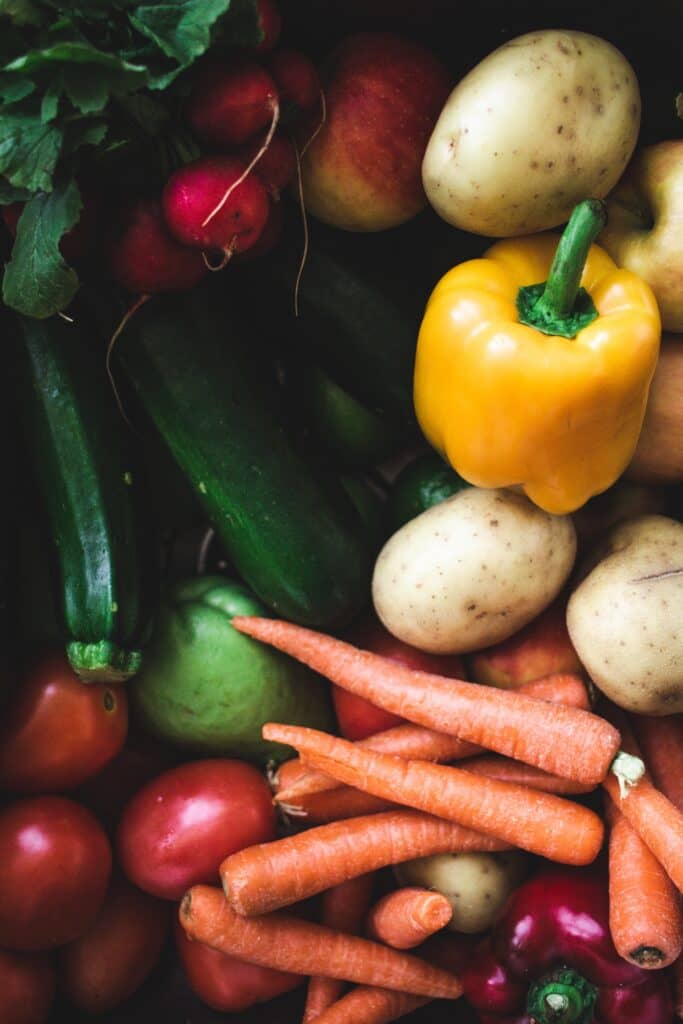
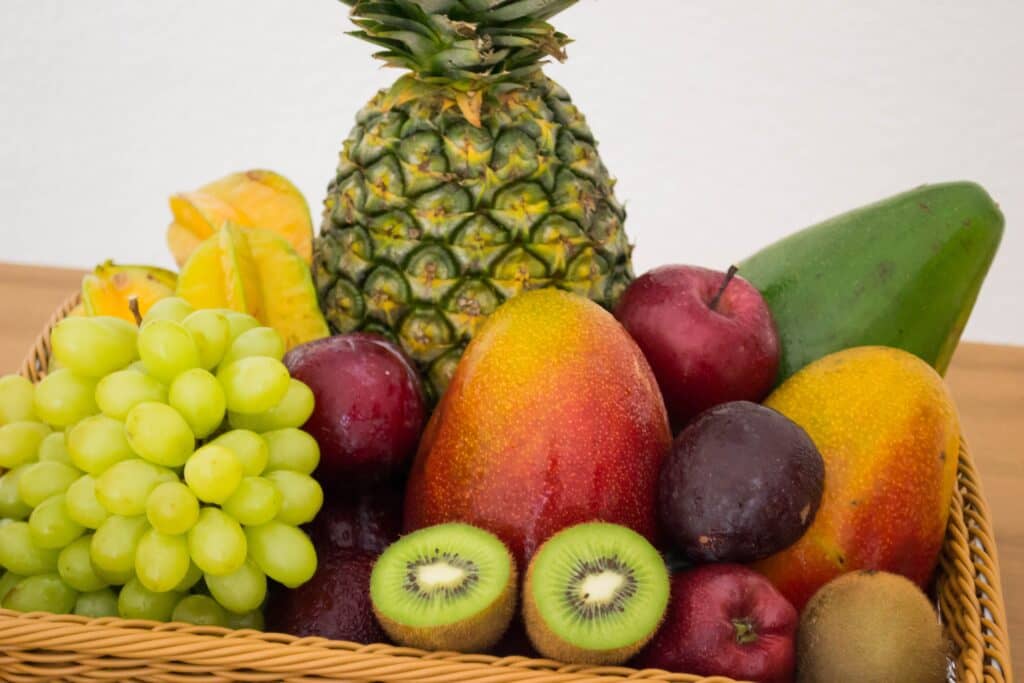
If you search for "healthy diet" on the Internet, you will find beautiful and colorful pictures of whole foods like vegetables, grains and fruits, lean protein and water. There are no pictures of juice.
While juice comes from fruit and may be fortified with nutrients like vitamin C and calcium, the high sugar content and calories, as well as lack of fiber, do not warrant daily consumption. A small amount of juice can be a part of your daily fluid intake, but save yourself some money and calories by eating fruits and vegetables instead.


Sugar-sweetened beverages (like sodas and iced tea) and fruit juice are already in a simpler form of sugar that the body can digest quickly and easily into glucose, which is the form of sugar that is needed by the body to provide energy. When these are ingested, your blood sugar quickly rises, which is why patients with diabetes can take some juice to treat low blood glucose levels.
Liquid calories are easy to consume but they do not make you feel full, and the calories in these drinks can quickly add up. To put this into perspective, 12 ounces of juice can contain 180 calories and one cup of rice has about 210 calories.
Studies have shown that drinking just an extra 12 ounces of juice per day increases the chances of premature death. Fruit contains fructose, a type of sugar found naturally in fruits, fruit juices, some vegetables and honey. Fructose is also a basic component in table sugar (sucrose), and high-fructose corn syrup is used to sweeten many processed foods and beverages, such as sodas and bottled iced tea.
Some researchers believe that the body digests fructose differently than other types of sugar. While all cells in the body use glucose, the liver is the only place where fructose can be broken down. Fructose can turn into triglycerides, a form of fat, and in excess of this can accumulate and lead to fatty liver disease. This can contribute to insulin resistance, one of the underlying causes for diabetes. Uric acid levels can also increase with too much fructose consumption.
The Philippine dietary guidelines of the Food and Nutrition Research Institute of the Department of Science and Technology also recommend to limit the intake of free sugars to less than 10 perfect of total daily calories in children and adults, while the American Heart Association recommends sugar intake be no more than nine teaspoons per day for men and six teaspoons for women.
Some examples of sugar content per 12 ounces of some drinks and juices:
• Flavored coffee: 12.5 teaspoons
• Pineapple juice: 11.4 teaspoons
• Iced tea: 8.25 teaspoons
• Cola-flavored soda: 7.25 teaspoons
• Grape juice: 12.4 teaspoons
• Apple juice: 9 teaspoons
• Prune juice: 8.9 teaspoons
• Orange juice: 7.8 teaspoons
• Coconut water: 7.8 teaspoons
• Mango juice: 7.1 teaspoons
• Tomato juice: 3.3 teaspoons
• Lemon juice: 2.2 teaspoons
As you can see, coconut water (or buko water) is not really "water" but juice. And even if it is freshly squeezed, juiced, organic, labelled as "no-added-sugar" or "unsweetened," or even if you picked the fruit and squeezed it yourself – if it comes from a fruit, it's juice.
If you're concerned about your health, the smart thing to do is to cut back on sugar, regardless of the type. Extra calories are still extra calories, and liquid calories from sugar-sweetened beverages and fruit juice not only cause blood sugar spikes, but they do not keep you full for long and do not have much nutritional benefit. Have a piece of fruit instead, just not too much.
WITH Monica Therese Cating-Cabral, MD