




Cracking the code: Diet Coke vs Coke Zero, which is for you?
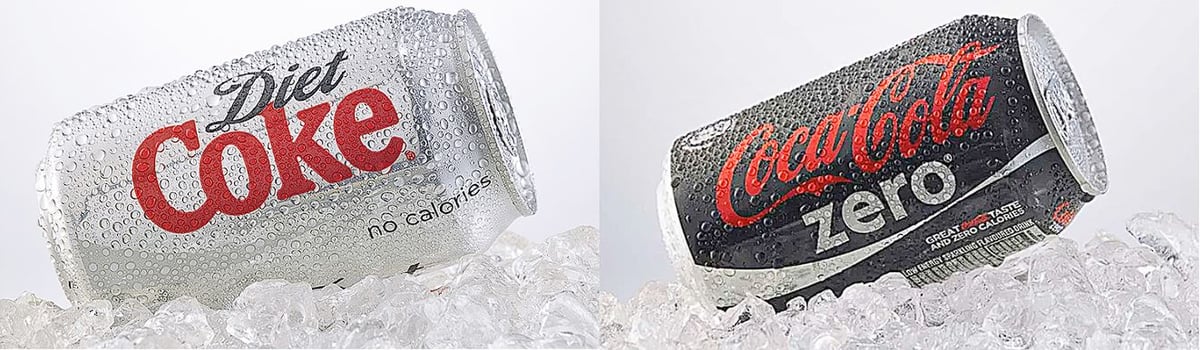
Photographs courtesy of COKE Diet Coke and Coke Zero.
Text size
Photographs courtesy of COKE Diet Coke and Coke Zero.
Diet Coke and Coke Zero have risen to the forefront of carbonated refreshments, becoming the go-to of individuals who crave the delight of a soda but are keenly mindful of their sugar intake.
What sets them apart, however, often leaves consumers bewildered, as both beverages have the same promise: the same delightful taste for which people have known Coke.
So, what's the difference between these seemingly identical allies in the quest for a guilt-free fizzy experience?
Tracing its roots
In the summer of 1980, the planning manager of Coca-Cola was tapped to lead a project the company had been eyeing for two decades but never came into reality — to introduce a "diet" version of their soda.
Unveiled after two years, Diet Coke was the first new brand since Coca-Cola's creation in 1886 to use the Coca-Cola trademark, offering a lighter, more refreshing flavor. Over the years, it has gone through various rebranding and repackaging efforts, including introducing numerous flavors such as Cherry, Lime and Ginger Lime.
Three decades after the Marcopper mining disaster devastated Marinduque’s waterways, the province is again pressing the…
Housing is probably the biggest issue affecting people the world over.
Malacañang on Monday called for a more thorough investigation into the questioned flood control projects in Taguig…
The defense on Monday backed the move by senator-judges to exclude a prosecution witness who testified on the firearms…
Jumping ahead to 2005, Coke Zero emerged from varying consumer preferences, catering to what millennials wanted: the same taste as the original Coca-Cola with a healthier profile. Marketed as the hipper alternative to Diet Coke, it flaunted its pure black packaging and campaigns brimming with energy.
Delving into the ingredients
The difference between these sodas lies in their details — their ingredients.
Diet Coke is predominantly sweetened with aspartame, an artificial sweetener, leading to a subtly different flavor profile that some describe as crisper or lighter than the original Coca-Cola.
While Coke Zero shares the goal of delivering a sugar-free indulgence, its taste profile varies from its sibling because it combines aspartame and acesulfame potassium, resulting in a sweetness that closely mimics the taste of sugar.
Nutritional insights
There isn't much significant difference between Coke Zero and Diet Coke concerning their nutritional value.
In addition to 40 mg of sodium and 46 mg of caffeine, a 12-ounce (355 ml) serving of Diet Coke has zero grams of total fat, carbs, sugars and protein.
Comparatively speaking, a 12-ounce serving of Coke Zero closely matches these figures; the only difference is that Coke Zero contains 60 mg of potassium and 34 mg of caffeine.
The sweeteners used in both sodas have been evaluated for potential negative health effects. However, both of them are FDA-approved.
What's the verdict?
The choice between Diet Coke and Coke Zero ultimately comes down to your preference.
If you prefer a lighter taste, Diet Coke could be your best refreshment. On the other hand, If you prefer that classic sweet taste of Coca-Cola, then Coke Zero may be your fizzy soulmate.
In the end, whether you're Team Diet Coke or Team Coke Zero, the common denominator is a zero-calorie beverage that provides that flavor punch soda enthusiasts adore while keeping your sugar intake in check.
