




Gift-giving beyond Santa Claus
He is better known as Papa Noel, while others consider him synonymous with Father Frost and Saint Nick.


Text size
He is better known as Papa Noel, while others consider him synonymous with Father Frost and Saint Nick.
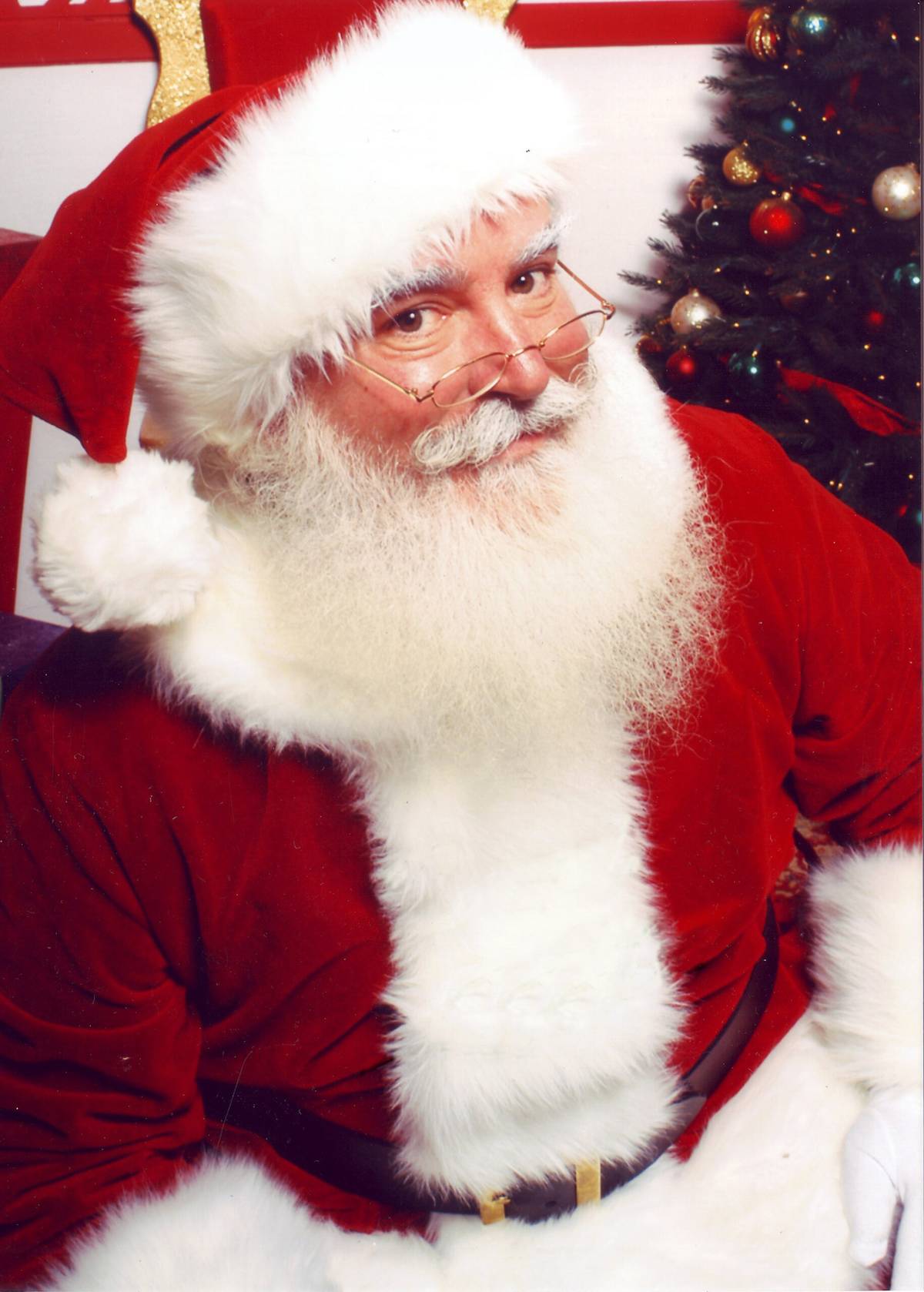
Jonathan G Meath portrays Santa Claus. | PHOTOGRAPH COURTESY OF Jonathan Meath (CC BY-SA 2.5) https://creativecommons.org/licenses/by-sa/2.5/deed.en
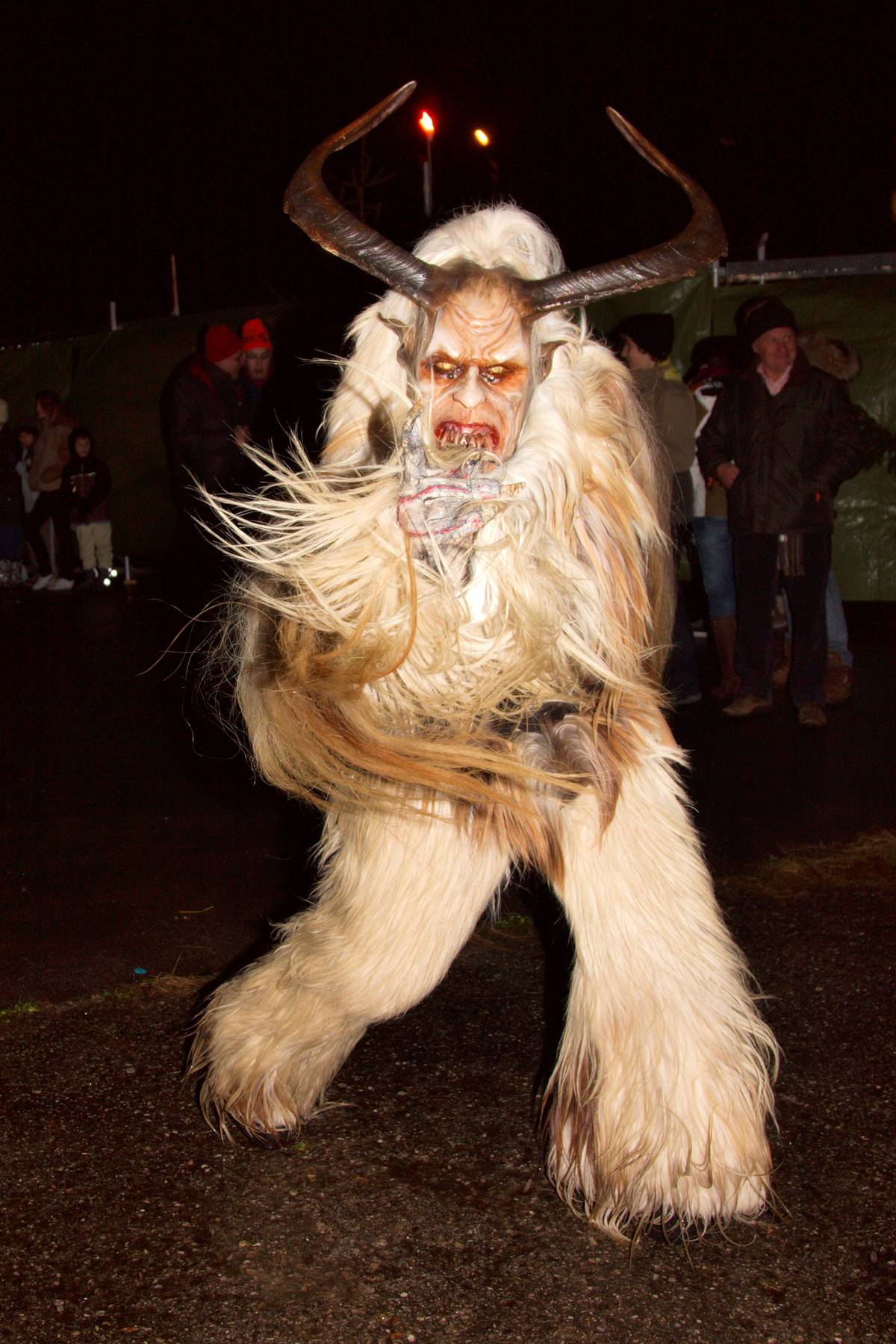
The Krampus of Austria | Photo by MatthiasKabel (CC BY-SA 3.0) https://creativecommons.org/licenses/by-sa/3.0/deed.en
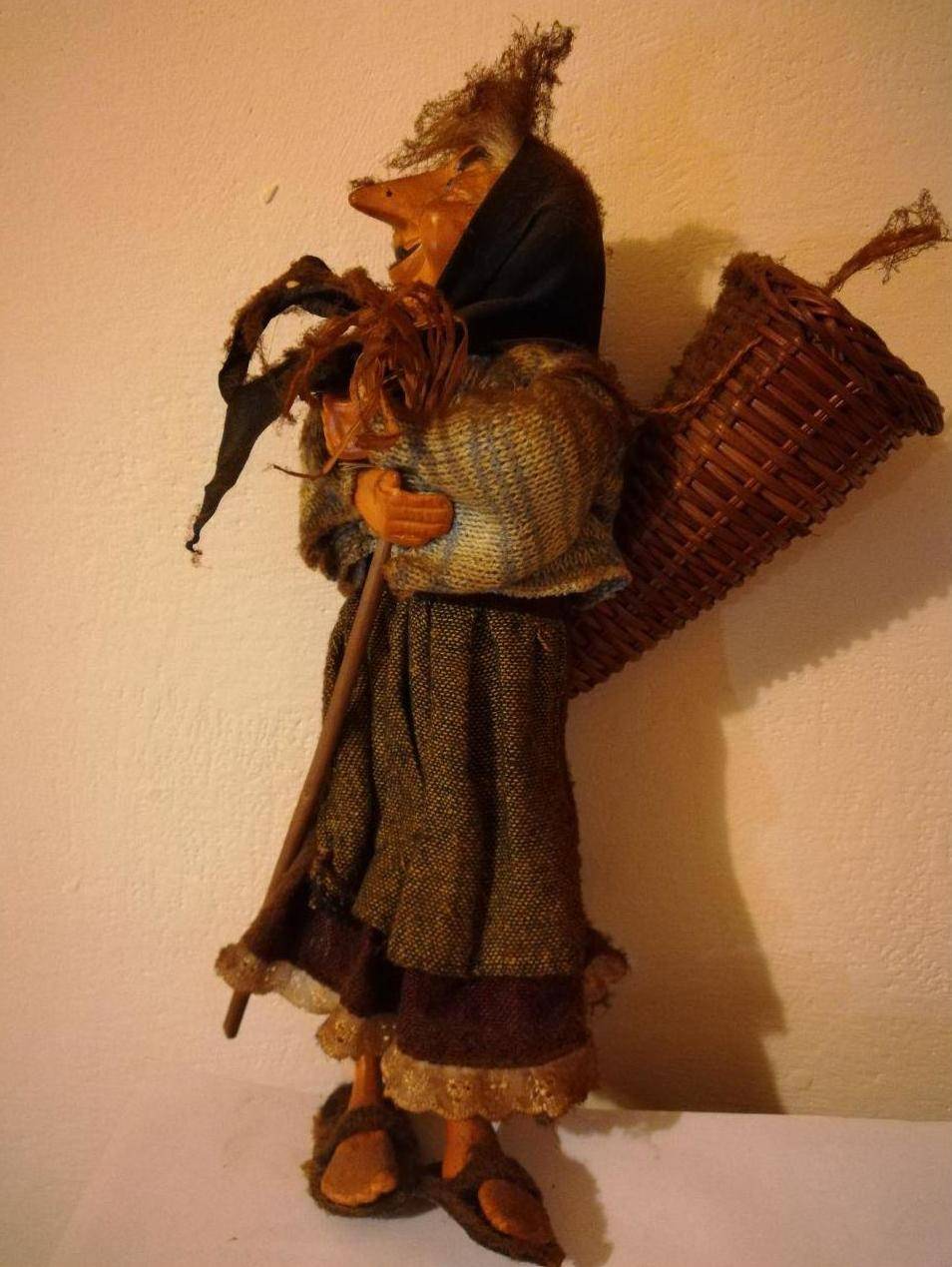
The Befana of Italy. | PHOTOGRAPH COURTESY OF Tiguliano (CC BY-SA 4.0) https://creativecommons.org/licenses/by-sa/4.0/deed.en
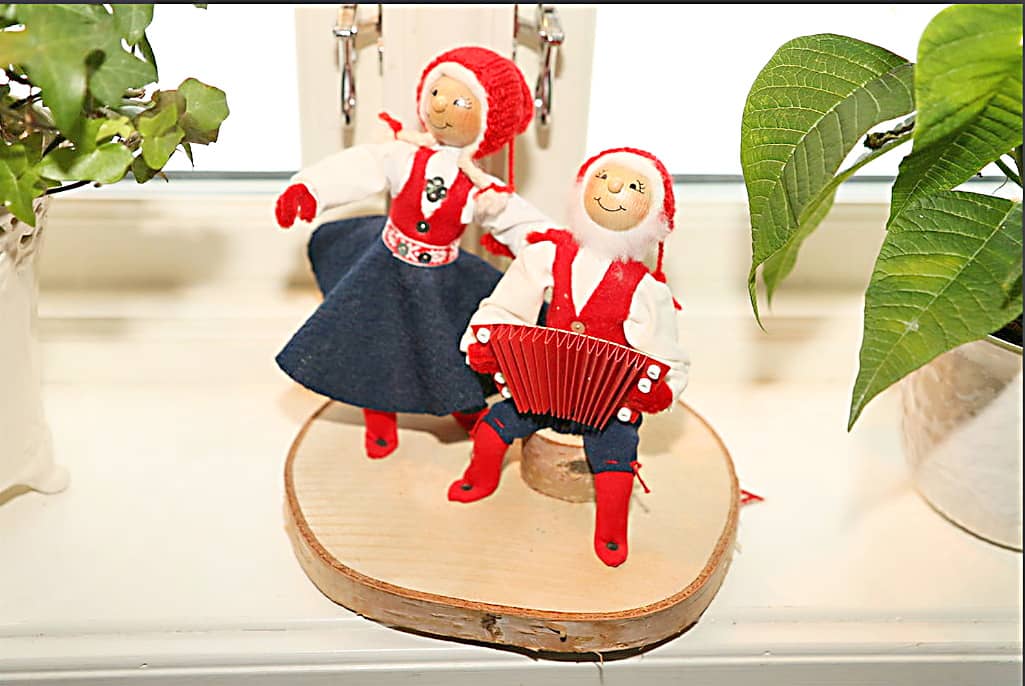
The Nisse of the Nordics. | PHOTOGRAPH COURTESY OF Øyvind Holmstad (CC BY-SA 4.0) https://creativecommons.org/licenses/by-sa/4.0/
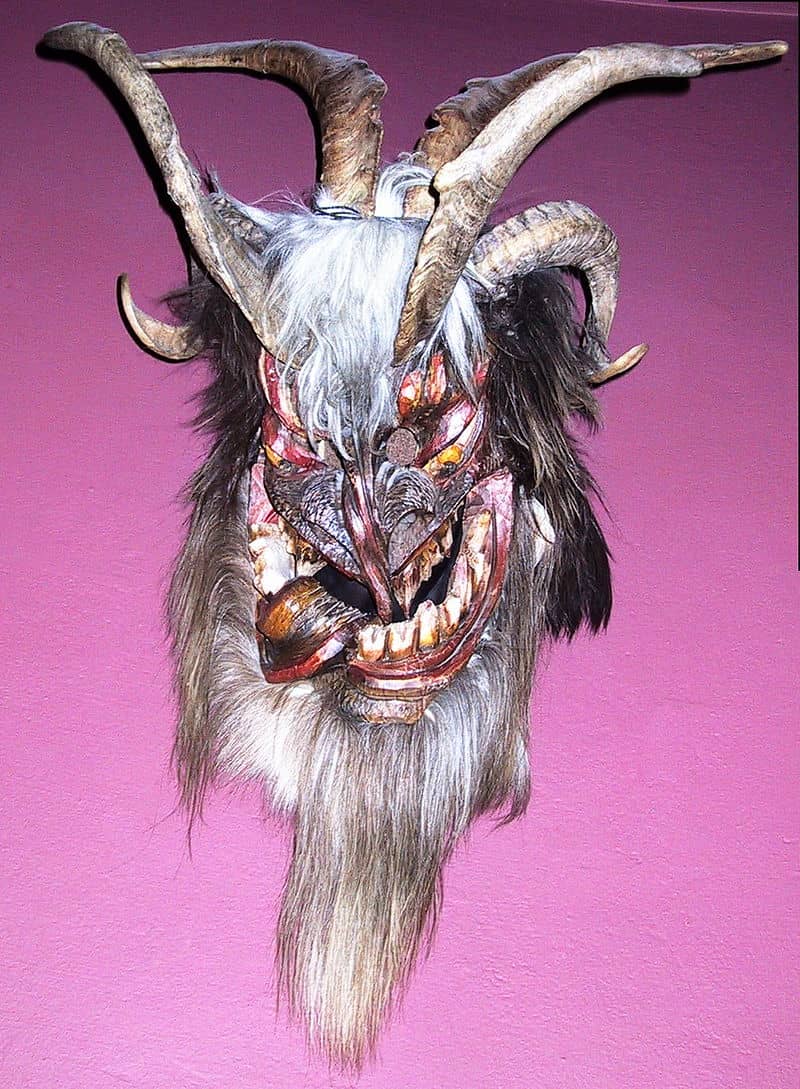
A Perchta mask in France, Germany and Switzerland. | Photograph courtesy of MatthiasKabel (CC BY-SA 3.0)<br />https://creativecommons.org/licenses/by-sa/3.0/deed.en
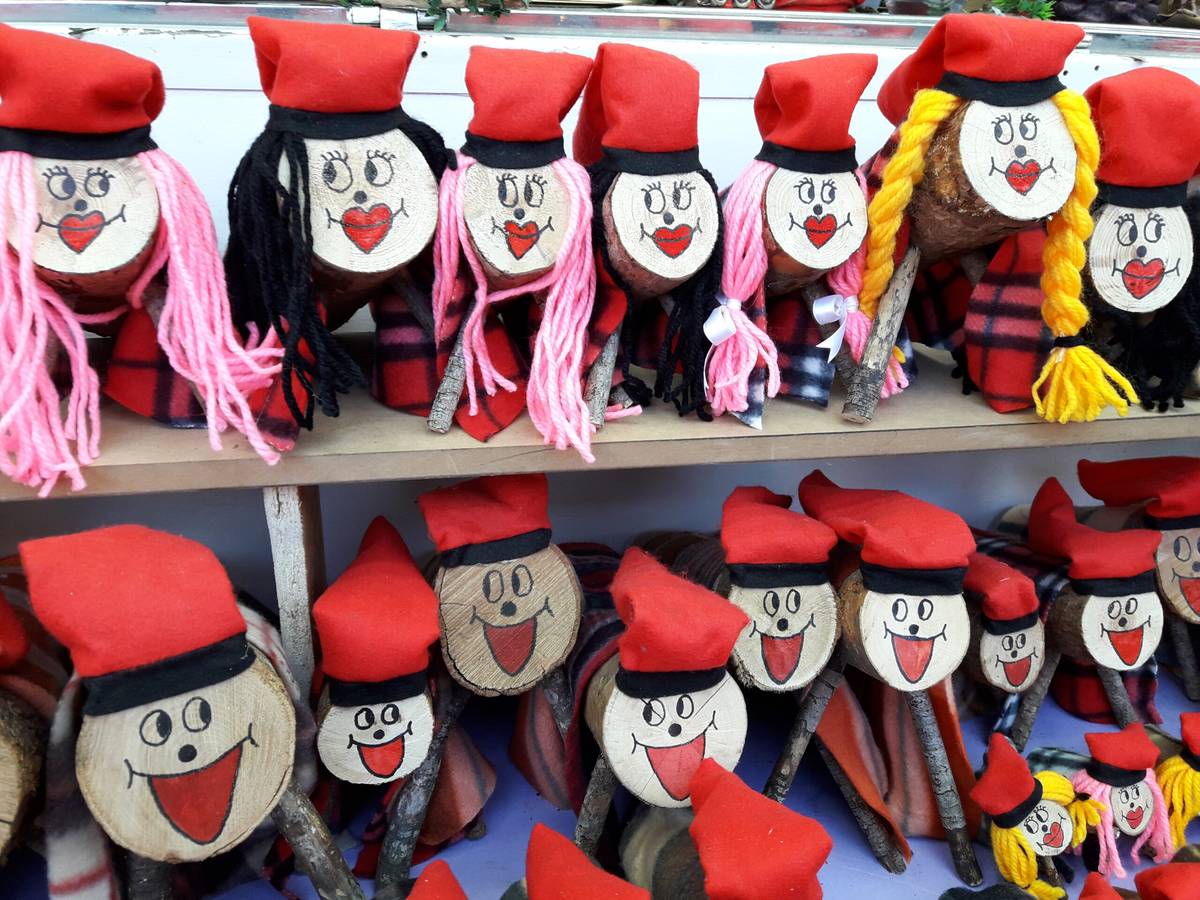
Various Tio de Nadal in Spain. | PHOTOGRAPH COURTESY OF GrupdAlliberaciodeTiosdenadal (CC BY-SA 3.0)<br />https://creativecommons.org/licenses/by-sa/3.0/deed.en
Christmas is arguably mainly for children. In fact, most Yuletide traditions revolve around gift giving to kids who have supposedly behaved well all throughout the year.
We are familiar with Santa Claus, the modern image made popular by the 30s Coca Cola ad — the reindeer-pulled sleigh-riding jolly good fellow in bright red with a bushy white beard, who hops from home to home to deliver wishlist-noted presents on the 24th of December. In some countries. He is better known as Papa Noel, while others consider him synonymous with Father Frost and Saint Nick.
Meanwhile, other nations consider Los Tres Reyes, the Three Kings, as the actual bearer of gifts, reminiscent of their Biblical role in showering Baby Jesus with gold, frankincense and myrrh.
However, going beyond the usual suspects, there are some traditions who have other forms of gift bearers.
Here are five other peculiar Yuletide well-wishers across different must-visit regions:
Krampus — Austria
The Krampus is a popular mythological figure in Europe who serves as an assistant of Saint Nicholas. Together, they visit children throughout the season. While the man-in-red rewards the nice listers, the creature scares and punishes the naughty rascals.
In modern times, men from towns such as Salzburg parade on the streets dressed as the goat amalgamation in a procession on 5 December.
Befana — Italy
Considered as a witch-like character, she is an elderly woman who flies around on Epiphany Eve, January 5th, to fill socks with presents and candies for do-gooders. Meanwhile, the mischief-makers will only receive pieces of coal or dark candy. Being a housekeeper herself, she may even sweep the floor of the abode — a sign of new beginings.
During the holiday season, Piazza Navona in Rome transforms into a market with toys, candies and socks to commemorate this tradition.
Nisse — Nordics
Some consider them pixies. Others liken them to gnomes. The Nisse are tiny humanoid characters with long, white beards and conical caps in bright colors. They are considered as caretakers of family houses and barns. If these minute fairies were treated well, they protect the family from misfortune and sickness and may even leave gifts. They are often accompanied by the conspicuous Yule Goat as they hand out bounties on Christmas Eve.
Perchta — France, Germany, Switzerland
This Alsatian entity comes in two forms: a beautiful lady, or a disheveled elderly monster. Her role is simple: she used to be the guardian of holiday superstitions, such as no spinning or no sewing during the season. Or else, one would face her displeasure. Nowadays, she is considered as a rewarder of the good and the punisher of the bad. She is said to roam villages and hands out silver coins to deserving children. Meanwhile, the tikes ones would face a gruesome encounter.
Tio de Nadal — Spain
Simply called The Log, this Catalonian tradition revolves around families as they bring home a piece of hollow timber, paint a face and decorate him with sticks as legs. They then dress up Tio with a red sock hat and cover him with a blanket to keep him warm. Once the Feast of the Immaculate Conception is celebrated, the children begin to feed the wood with tiny treats. If taken care of, the stump will — pardon my French
— defecate blessings on Christmas!
These are our five magical postcards. What's yours?
Housing is probably the biggest issue affecting people the world over.
Malacañang on Monday called for a more thorough investigation into the questioned flood control projects in Taguig…
The defense on Monday backed the move by senator-judges to exclude a prosecution witness who testified on the firearms…
