
Court couture and carats: Aryna Sabalenka’s diamond era is changing tennis fashion

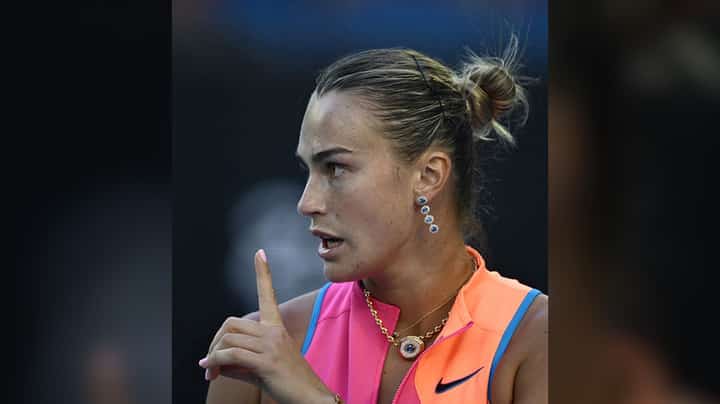
“When you look good, you play good.”
At least, that’s the philosophy of World No. 1 Aryna Sabalenka — and honestly, tennis has been proving her right for decades.
Few sports occupy the rarefied intersection of athletic excellence and luxury quite like tennis. The world’s biggest stars aren’t just competing for Grand Slam trophies; they’re becoming global fashion fixtures, front-row regulars, and jewelry ambassadors in their own right.
The money reflects it. Tennis players remain among the highest-paid athletes in the world, with endorsement portfolios often rivaling their prize money. According to Forbes’ latest rankings, Carlos Alcaraz reportedly earned $65 million this year, landing at No. 32 on the publication’s highest-paid athletes list, while World No. 1 Jannik Sinner rounded out the Top 50 with an estimated $54.6 million.
But here’s the thing: Grand Slam prize money alone doesn’t create luxury icons.
The real power play happens off the court, where sponsorships transform athletes into brand ambassadors and style tastemakers. And increasingly, one category has emerged as tennis’s most glamorous obsession: jewelry.
The sport that made
diamonds competitive
In most professional sports, jewelry is considered a liability. Basketball players remove earrings before games, football enforces strict accessory rules, and combat sports ban them entirely. Tennis, however, took a different path — and embraced adornment.
That shift traces back to the 1978 US Open, when Chris Evert’s diamond bracelet unclasped mid-match, scattering across the court. The incident became iconic and soon inspired jewelers to coin the term “tennis bracelet,” creating a new luxury category.
From there, tennis became a natural stage for fashion. Luxury brands saw its appeal: athletes glowing under stadium lights, blending elegance with performance in a way few sports could match. Swiss watchmakers and jewelers quickly moved in—Rolex became Wimbledon’s official timekeeper in 1978, while Ebel helped pioneer early player sponsorships in the 1980s, including stars like Boris Becker, Stefan Edberg and Andre Agassi.
Agassi, in particular, reshaped tennis style into something closer to pop culture, mixing athletic success with bold fashion and luxury branding.
Today, tennis arrivals are as closely watched as match points — players stepping out in designer looks, layered jewelry, and statement watches. Fashion no longer sits beside tennis; it lives inside it.
Aryna Sabalenka’s diamond era
If anyone represents tennis’s jewelry era, it’s Sabalenka.
At the 2026 French Open, she wore a custom layered necklace by Material Good on Court Philippe-Chatrier, styled with her Nike kit. The piece — three necklaces in one — featured over 200 carats of garnets and 23 carats of diamonds, inspired by Roland-Garros’ red clay.
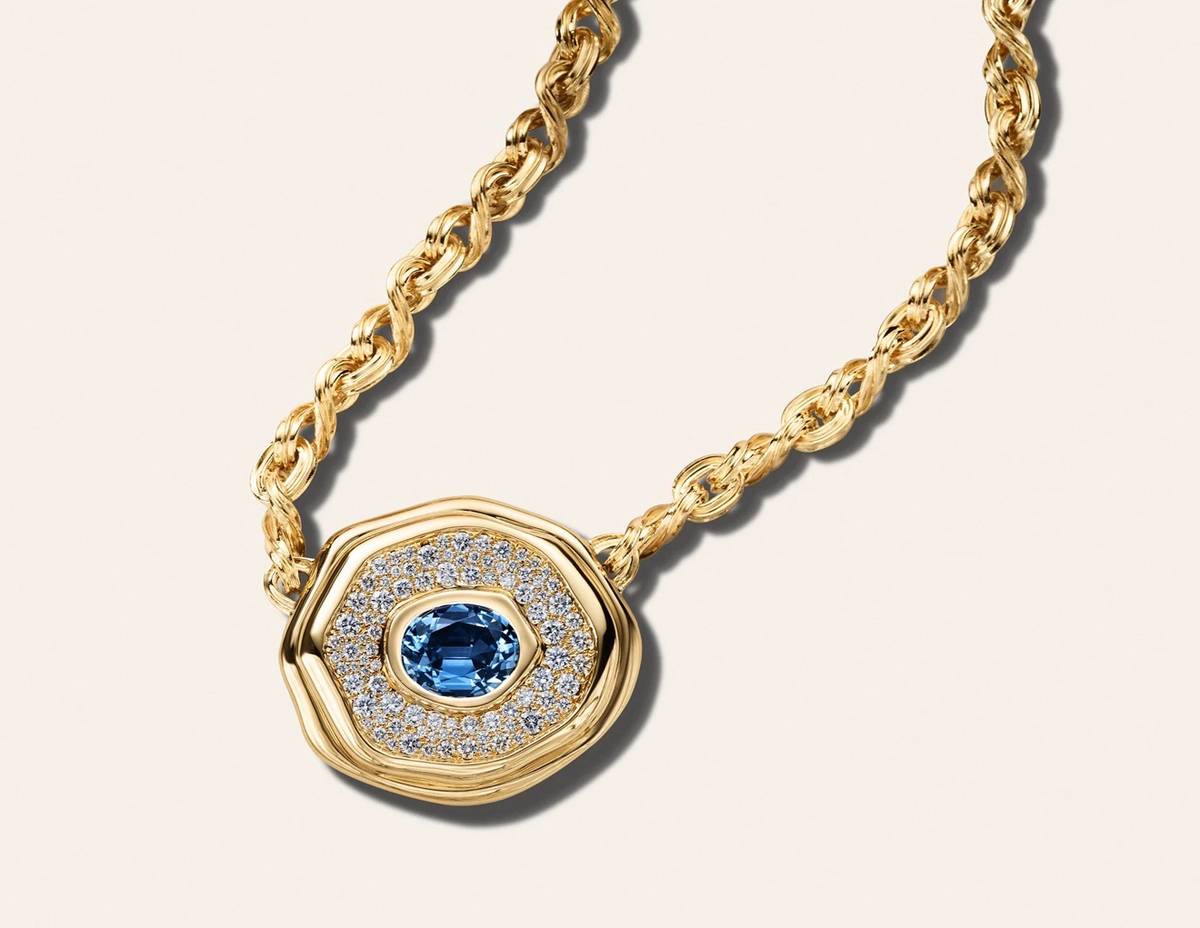
AO/26 Necklace.
The deep red stones echoed her playing style, while diamonds caught the light with every movement, making the jewelry feel like part of her performance rather than an accessory.
Paired with layered necklaces and statement earrings, the look reinforced a new reality: on today’s courts, jewelry is part of the game.
Where craftsmanship meets confidence
Sabalenka’s partnership with Material Good marks a new chapter in tennis’s luxury evolution.
As the brand’s first-ever Jewelry Ambassador, she represents a collaboration rooted in craftsmanship, individuality and fearless self-expression. For Sabalenka, jewelry isn’t merely decorative — it has become ritualistic: a finishing touch and a source of confidence before stepping into competition.
The partnership debuted with custom creations developed through the Material Good Atelier, including pieces unveiled during the Australian Open.
Among them was the Aryna AO/26 Necklace, a fluid sapphire-and-diamond creation inspired by Australia’s coastline. Centered around a 4.30-carat oval sapphire set in yellow gold, the design incorporated varying diamond sizes to mimic rippling water, tidal pools, and shifting ocean light.
Its companion earrings continued the story. Reverse-set pavé diamonds created textures reminiscent of sea creatures and coastal landscapes, while cool-toned sapphires reflected shifting shades of blue beneath the sunlight.
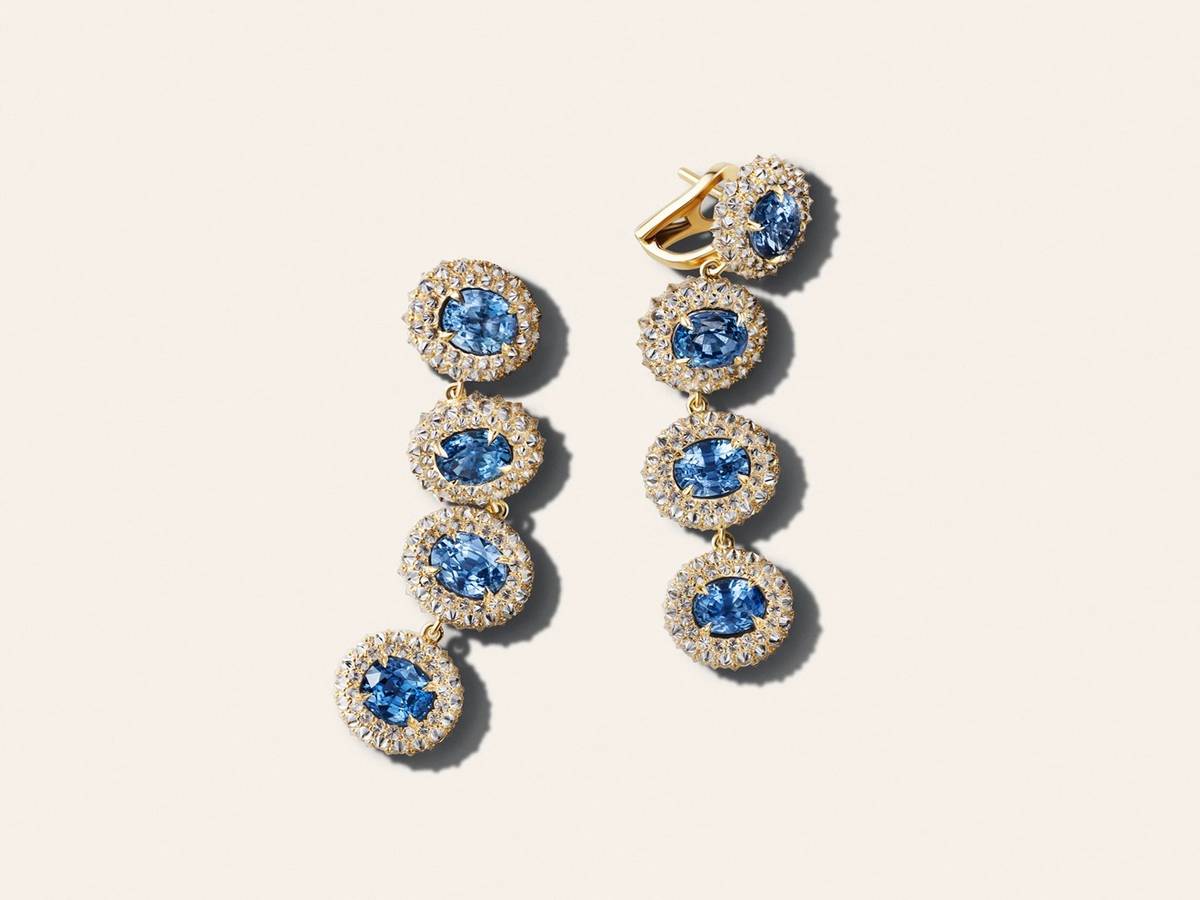
ARYNA AO/26 Earrings.
The pieces captured a duality that feels distinctly Sabalenka: composed and elegant away from the court, fierce and commanding once competition begins.
The new tennis uniform
Perhaps that’s why jewelry feels so natural in tennis.
Unlike other sports, where accessories can appear excessive or distracting, tennis has always understood the power of personal style. The sport’s stars aren’t just athletes; they’re storytellers. Every bracelet, necklace, watch or earring becomes part of the narrative.
For Sabalenka, jewelry is a reflection of identity. It is not simply an accessory but an extension of the confidence, individuality, and presence she brings to the court.