
San Antonio: From Padova to Lisboa

San Antonio de Padua is a saint our family reveres — largely thanks to our late mother, who was a lifelong devotee.
She regularly donned her familiar brown habito, the Franciscan religious habit, sans the white cord, whenever she attended the celebration of the Holy Eucharist.
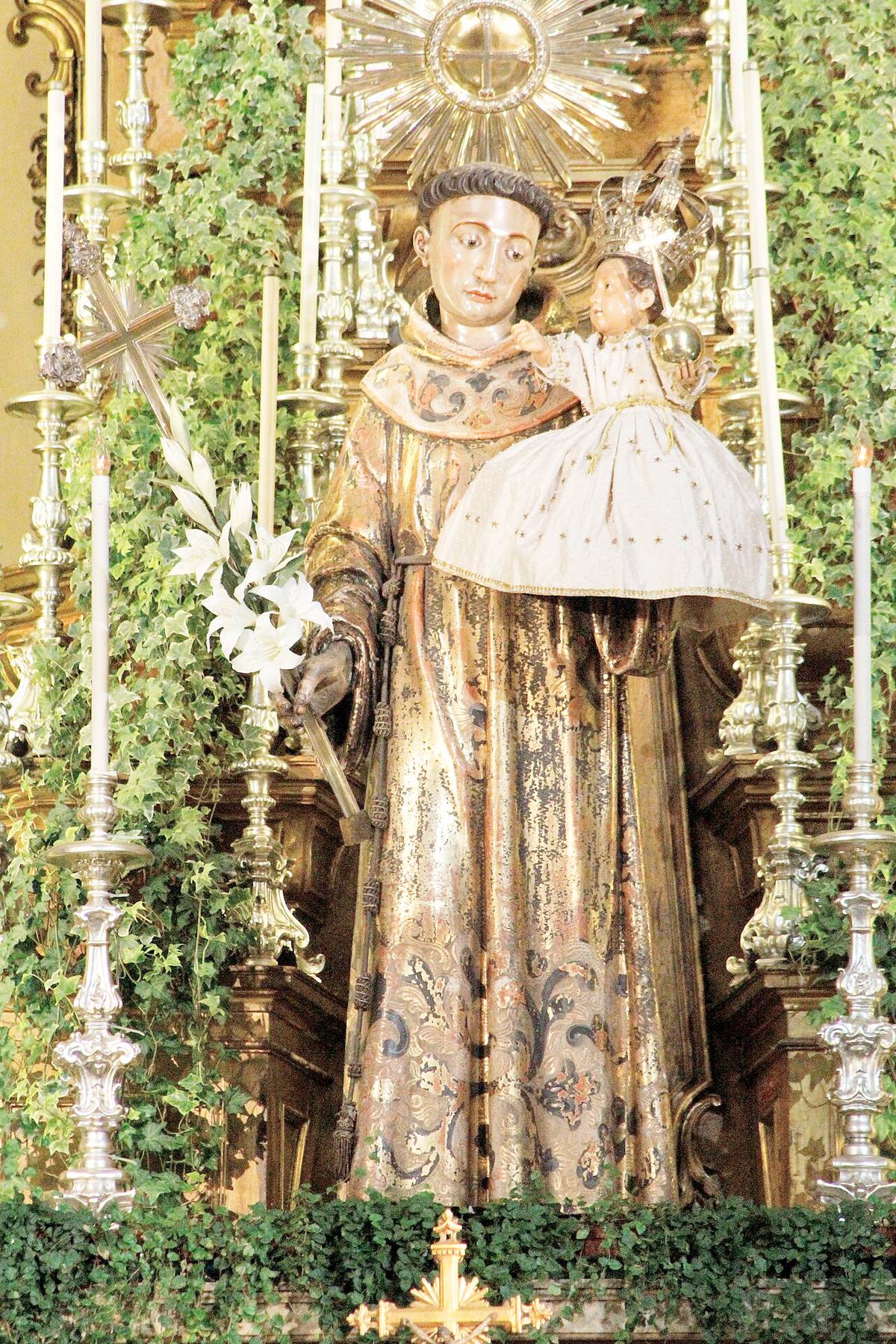
The statue of San Antonio at the main altar.
Our father had Antonio as his second name. In Spanish tradition, children were often named after a chosen patron saint. Being the eldest son and a junior at that, I was likewise named Antonio.
Our Matriarch built a little chapel in our hacienda, where we continued a tradition of commemorating the feast day by honoring those who worked with us. We would treat them to lunch, conduct games, hold raffles, and prepare gifts for everyone.
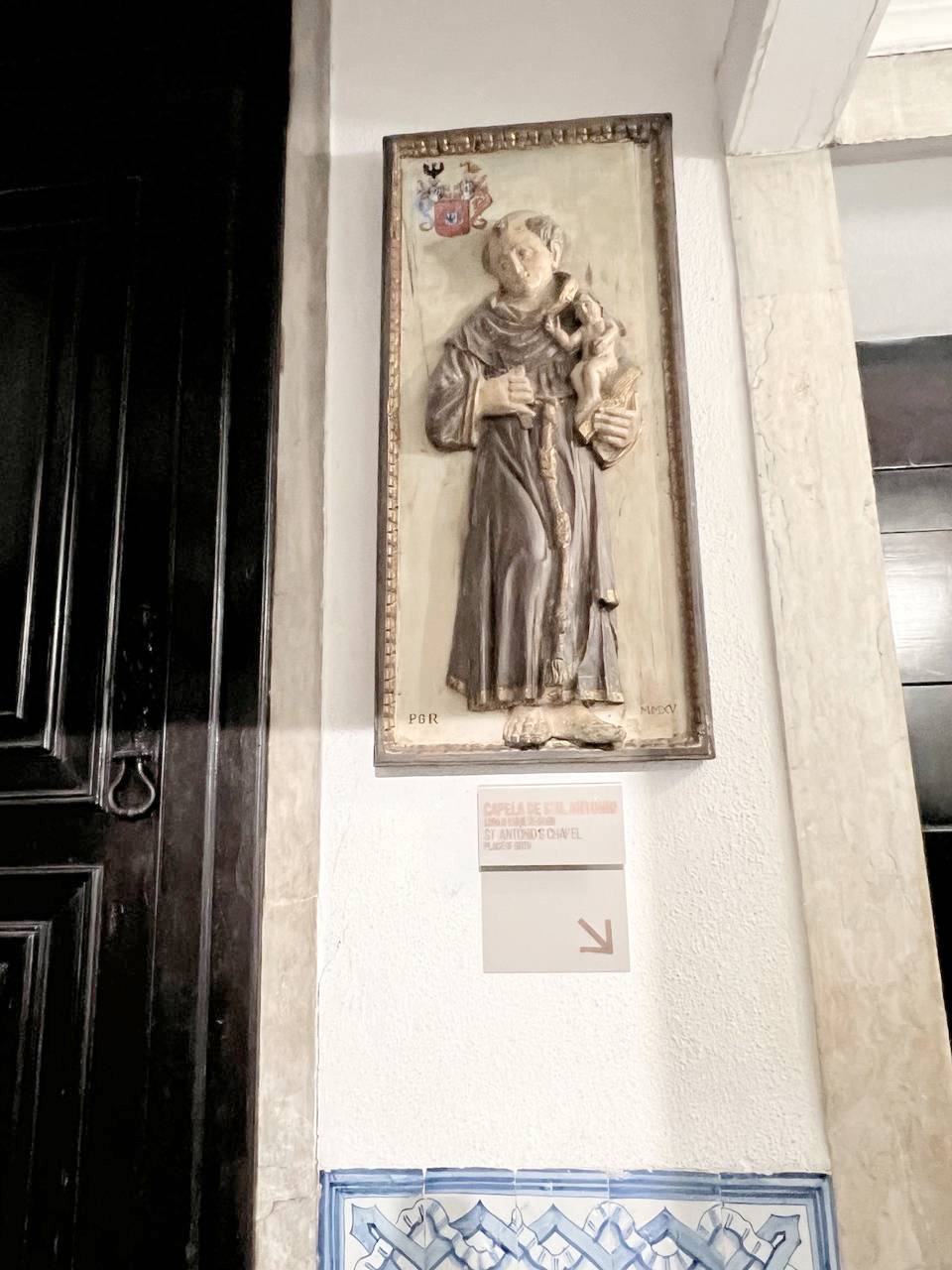
An antique obra of San Antonio on the way to the crypt.
Several years ago, on an exclusively Italy tour, one of our highlights was a pilgrimage to Padova — Padua to you and me — the city most closely associated with the saint.
And for my own spiritual needs, I seek refuge at the Santuario de San Antonio Parish.
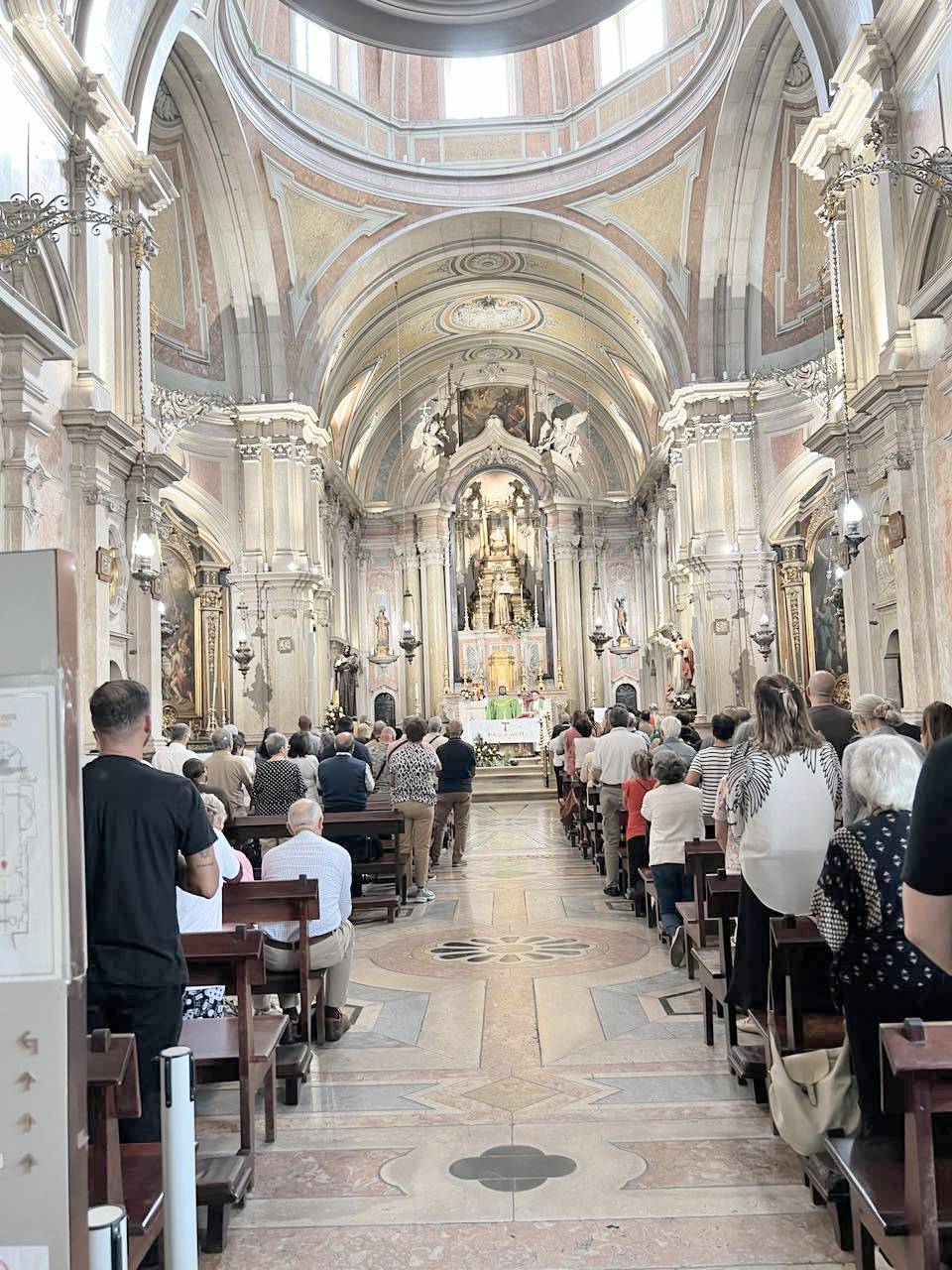
Our visit coincided with the celebration of the Holy Mass.
These are only some of our familial affiliations and bonds with our beloved San Antonio.
I thought of all these relationships and affinities, which came rushing back once again during preparations for a most recent trip to Portugal.
Since most of my siblings had previously visited the Portuguese capital, I — as the trip organizer — had to incorporate sights and attractions beyond the usual places to see, museums to admire, and restaurants to savor the local cuisine.
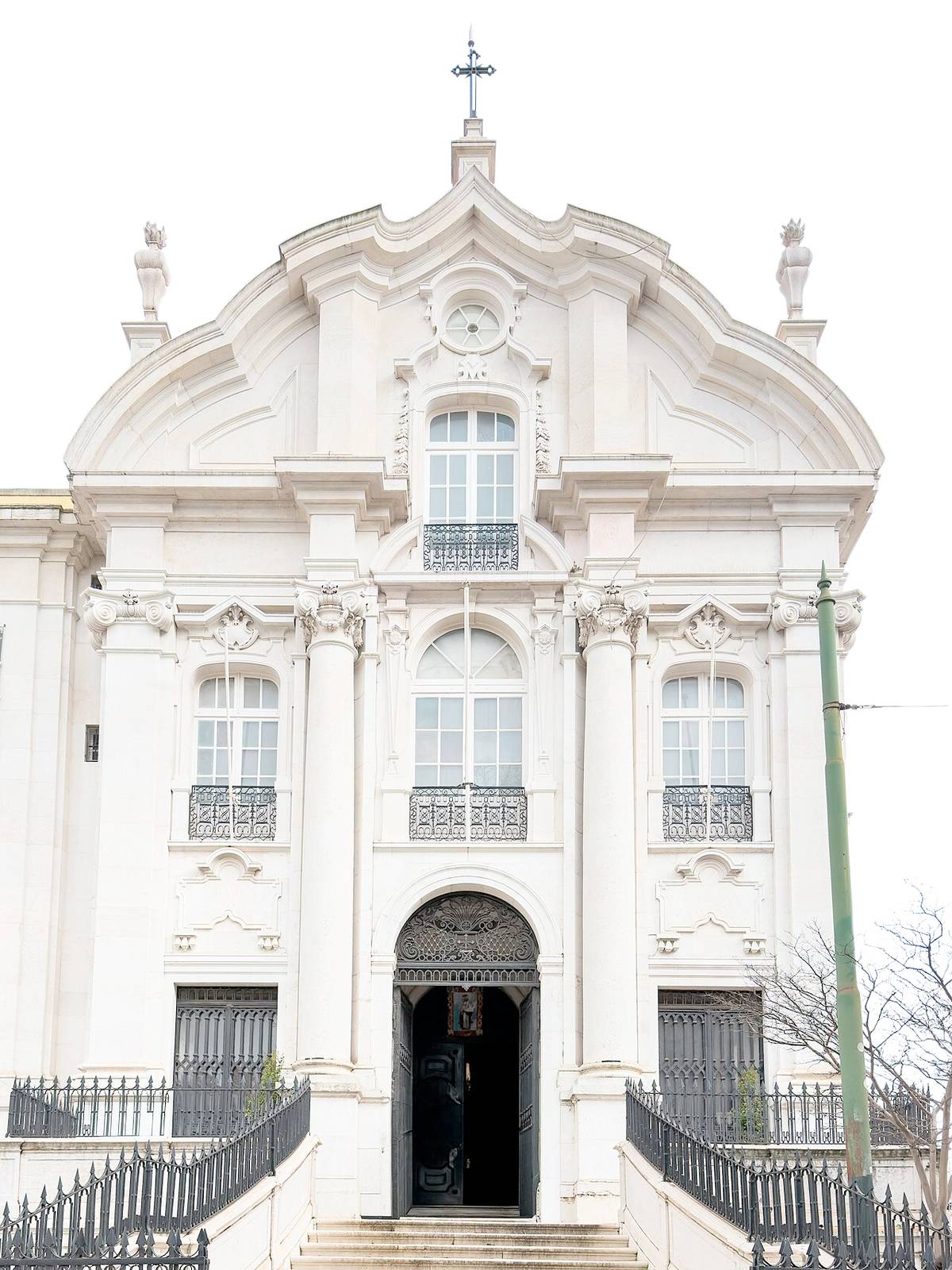
The facade of the Church of Saint Anthony of Lisbon.
Photograph courtesy of Kent Wang
There had to be more to Lisbon than the Jeronimos Monastery UNESCO World Heritage Site, the Maritime Museum which praises the nation’s rich seafaring legacy through the centuries, and the trays of famed bacalao, bottles and cans of fabled sardines, and the all-too-familiar eye-catching blue-and-white tiles to bring home.
I was absolutely delighted to learn Fernando Martins de Bulhões was born in Lisbon in approximately the year 1195. He later joined the Franciscan Order and took on the name Antonio. He travelled extensively as a preacher before spending his last years in northern Italy. He died in Padua on 13 June 1231, and was canonized less than a year later.
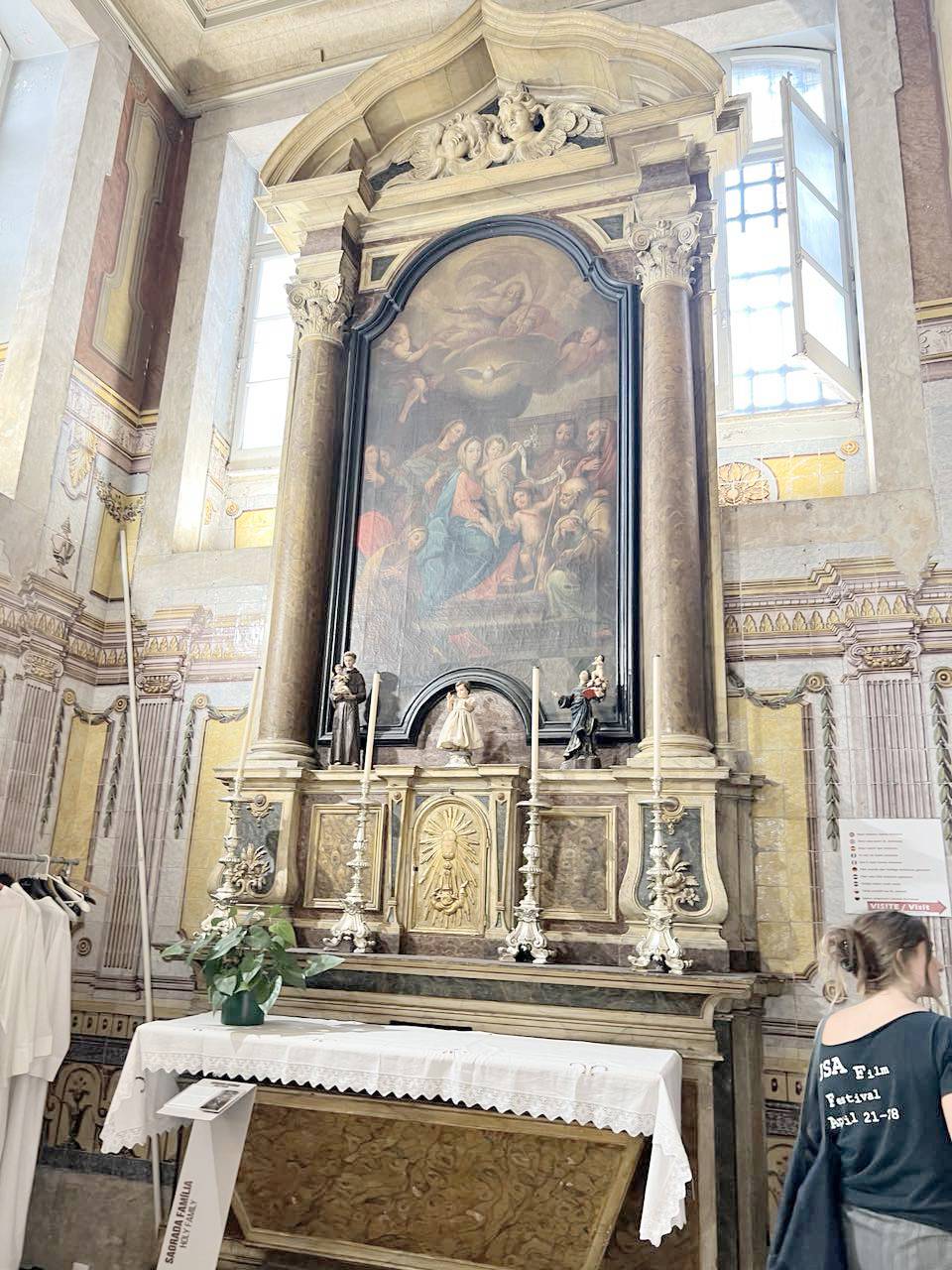
A Holy Family altarpiece at the capilla.
Just a brief walk from the imposing Lisbon Cathedral stands the Church of Saint Anthony of Lisbon — the traditional landmark of the house of his birth.
The present pilgrim church was constructed after the devastating earthquake of 1755. It was eventually declared a National Monument nearly two centuries after!
At the house of prayer, we immediately descended to the crypt below — a small, narrow, circular room associated with the saint, where we prayed. A bone fragment from his left arm is venerated here as a relic. We spotted his statue carved from cedar. I fondly recall Pope John Paul II, who was later canonized, visited the church on May 1982 and prayed in the same crypt.
All over the capilla, masterpieces abound by Portuguese painter Pedro Alexandrino de Carvalho. I would be remiss to not mention the High Altar. The central figure is the painted and gilded image of its patron saint. Remarkably, this dedication survived the 1755 earthquake which destroyed much of the earlier church. Above it is an obra attributed to Pedro Alexandrino which depicts several of the saint’s miracles and how he preached to the fish. All said, to pray here is to gain plenary indulgence — the removal of eternal guilt and punishment of sin.
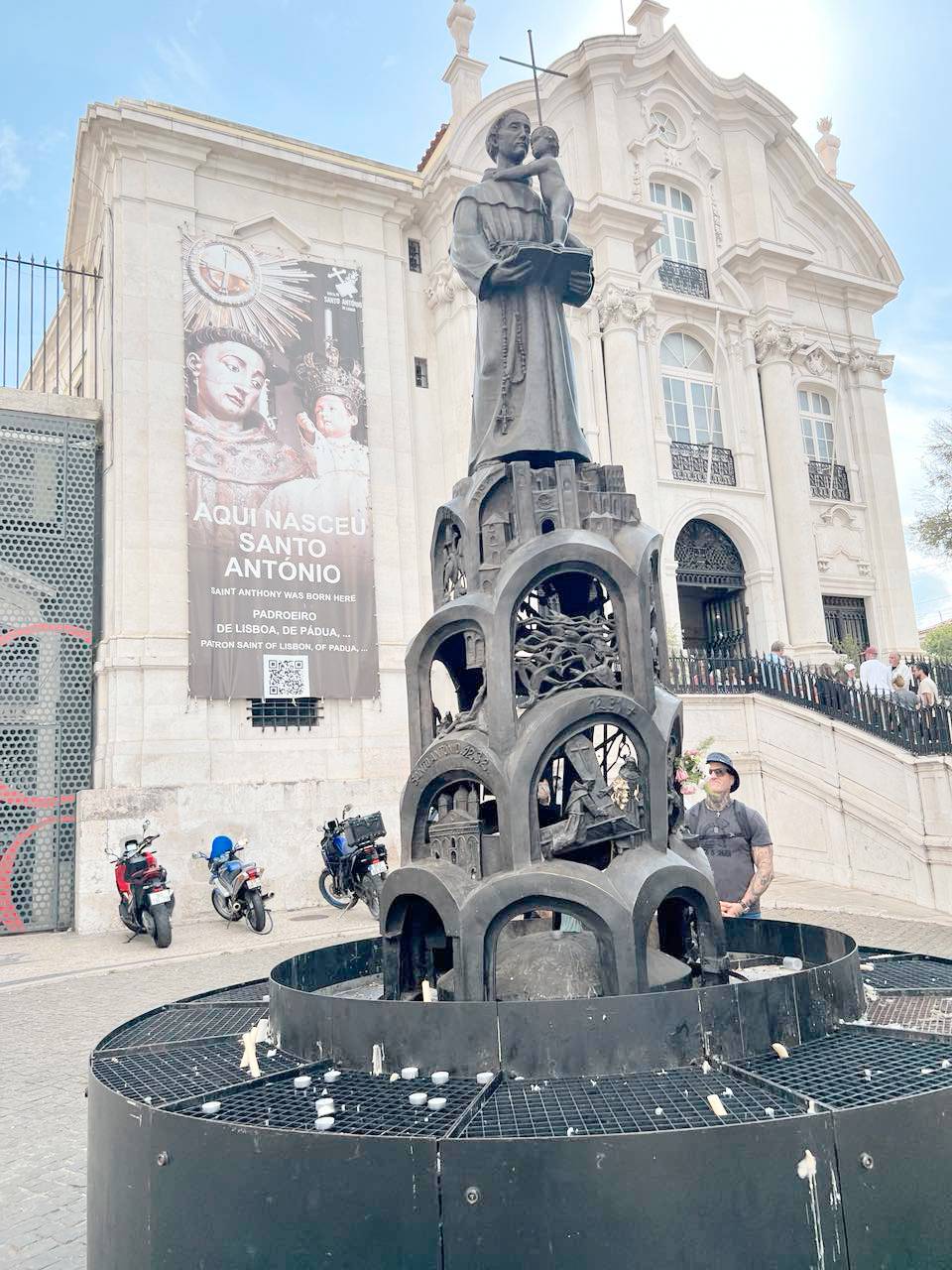
The outdoor metal statue of San Antonio, where devotees and pilgrims whisper prayers and light up candles.
Photographs by Edu Jarque for Daily Tribune
Outdoors, an open square provided space for yet another statue of the saint, now made of metal, where we prayed once again as we lit up several candles.
San Antonio is popularly invoked by persons with misplaced items and lost objects, those who seek assistance in matters of the heart, and for good marriage. He is, after all, known to be the saint of miracles.
As I left, I thought of our father’s second name, my mother’s brown habito, the little chapel on a hill at our hacienda, our festive celebrations with the workers we care for, and the many times our family continues to cry out to San Antonio. And now, I have finally paid respects at both his birth and final sites.