
Amihan, easterlies, El Niño to influence PH weather until Christmas — PAGASA
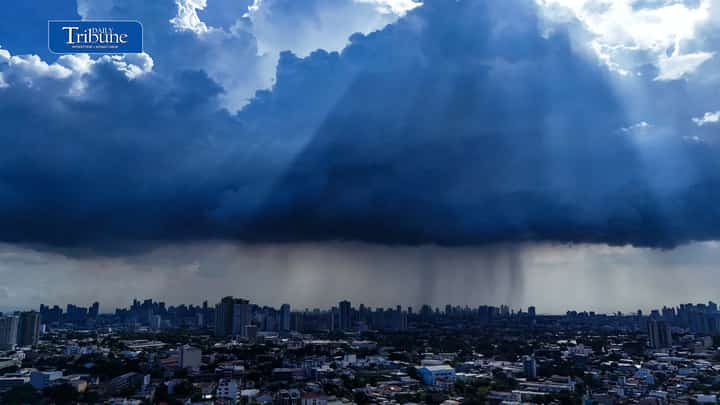
Three prevailing weather and climate systems — the northeast monsoon, easterlies, and “very strong” El Niño — will dominate Philippine weather conditions toward Christmas, an official from the Philippine Atmospheric, Geophysical and Astronomical Services Administration (PAGASA) said Tuesday.
“Let us expect that the northeast monsoon, together with the easterlies and the prevailing very strong El Niño, will be the dominant weather and climate systems that will affect us as we approach Christmas,” PAGASA Climatology and Agrometeorology Division Assistant Weather Services Chief Ana Liza Solis said during the QCJI forum on Tuesday.
PAGASA recently declared the onset of the northeast monsoon, or “Hanging Amihan,” which brings cooler weather, episodes of cold surges, and rough sea conditions in most parts of the country.
Solis, however, said that the current northeast monsoon is not yet at its peak, noting that Amihan will persist despite the prevailing very strong El Niño.
“We may experience relatively cooler temperatures due to the northeast monsoon, while during daytime, we may also experience hot temperatures or high levels of humidity due to the very strong El Niño,” the climatologist said.
As of October 31, PAGASA reported that five provinces had experienced meteorological drought, 11 provinces and highly urbanized cities were experiencing dry spell conditions, while around 10 other provinces were classified under dry conditions.
ITCZ may bring rainfall
Despite the prevailing drought, dry conditions, and dry spells in several areas nationwide, the easterlies, northeast monsoon and current Intertropical Convergence Zone (ITCZ) may still bring rainfall to parts of Mindanao, Luzon, and the Visayas.
Solis said that once the northeast monsoon or Amihan and ITCZ weakens, a significant and sustained reduction in rainfall may follow.
“Most parts of the country will actually [experience] a significant reduction in rainfall until at least April. That is our forecast now, but it could continue until the first half of 2027,” the climatologist said.