
Move over, old-school politics
While dynastic machinery remains a heavy blanket over the local landscape, the hunger for reform-minded, independent and service-driven leaders is palpable.
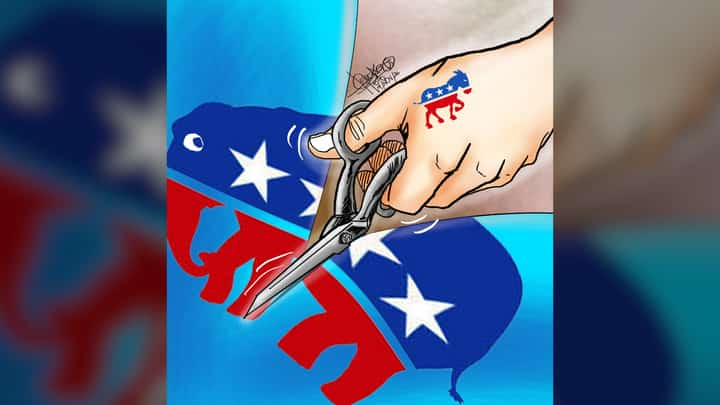
Social media went wild with posts about the historic firsts that came out of the November 2026 midterm elections in the United States. The polls ushered in a vibrant, barrier-breaking class of leaders popularly believed to be changing the face of American politics.
From making history to dominating social media feeds, these fresh faces bring new energy, diverse perspectives, and serious charisma to state capitals and Washington alike. They won by ditching boring political jargon and focusing on real-world, everyday issues — like housing, consumer costs and health care.
The US Senate saw groundbreaking milestones, starting with Abdul El-Sayed (Michigan), a charismatic physician who will go down in history as the first Muslim American elected to the chamber. He became a TikTok favorite by hosting live “myth-buster” Q&As about health care, winning over Gen Z voters.
Chris Pappas (New Hampshire) became the first openly gay man elected to the Senate. He celebrated his victory night with a behind-the-scenes selfie with his husband that immediately went viral. Peggy Flanagan (Minnesota) also made history, proudly wearing locally crafted Indigenous beadwork and ribbon skirts at major campaign events.
The governors’ mansions got a makeover too. In Georgia, former Atlanta Mayor Keisha Lance Bottoms flipped the executive seat, celebrating at an election night party soundtracked by local hip-hop icons. Further west, former Interior Secretary Deb Haaland returned to New Mexico to win the governorship; she often shares her favorite green chile comfort food recipes on Instagram. In Texas, fueled by massive voter turnout, Gina Hinojosa flipped the governor’s mansion, swapping campaign heels for custom-made cowboy boots that became her signature look.
In Ohio, former health official Amy Acton captured the governor’s office after inspiring a cult following of fan clubs, tribute T-shirts and viral parody videos. Byron Donalds made historic strides on the conservative side, winning the governor’s race in Florida while landing on “best-dressed” political lists for his sharp, tailored suits.
David Crowley (Wisconsin) overcame immense spending odds to capture the statehouse; he is a sneakerhead who frequently sports rare Jordans on the trail. Aaron Ford (Nevada) flipped the state executive mansion, leaning into his passion as an R&B buff who curates public playlists for supporters. Rob Sand, a high-fashion runway model in the early 2000s, won Iowa’s governorship after serving as state auditor. For his viral accountability “audit” town halls, he wore running shoes and answered questions while jogging through local parks.
Can we expect something just as historic on home soil in the 2028 Philippine elections? Possibly. With millennials and Generation Z projected to comprise over 60 percent of the electorate, the youth vote is the ultimate kingmaker.
Just like their American counterparts, Filipino youth are signaling an appetite for a paradigm shift: away from personality-cult dynasty politics and toward leaders who understand digital community-building, local identity (whether regional pride, Indigenous representation or creative subcultures) and hyper-relatability on TikTok and Instagram.
While dynastic machinery remains a heavy blanket over the local landscape, the hunger for reform-minded, independent and service-driven leaders is palpable.
When millions of young, digitally native Filipinos head to the polls in 2028, they will be casting ballots for authenticity and a break from old-school machinery. The stage is set — local politics should get a whole lot more colorful.
Keep your eyes on them.