
Senate eyes crackdown over absentee members
Several complaints have remained pending before the Senate ethics committee, concerning prolonged absences of lawmakers.
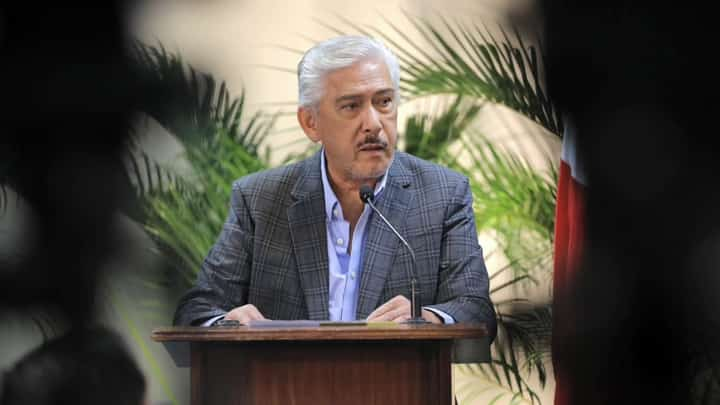
The Senate is considering tougher rules on absenteeism amid uncertainty about some senators’ attendance.
Senate President Pro Tempore Tito Sotto has proposed amending Senate rules to establish clear measures and possible sanctions for prolonged, unauthorized absences by his colleagues, asserting that such “neglect of duty” is a “waste” of taxpayers’ funds.
Sotto stopped short of naming names, but recalled that four of the 10-member Senate minority cannot attend sessions or perform crucial legislative duties.
Senators Jinggoy Estrada and Rodante Marcoleta have been detained for plunder since July, while Senator Loren Legarda has been on medical leave abroad since 3 August.
Senator Ronald ‘Bato’ dela Rosa, meanwhile, has gone into hiding since November last year amid an International Criminal Court warrant, although he briefly resurfaced on 11 May to help stage a Senate coup against Sotto.
“[A]s public servants elected by the Filipino people and whose salaries and allowances are derived from the taxes they have paid, we owe it to them to perform our duties with diligence and represent them in the legislative framework,” he said in Senate Resolution 751.
Several complaints have remained pending before the Senate ethics committee — headed by Sotto —concerning prolonged absences of lawmakers. Petitioners argued that legislators who do not report to work must not receive salary, allowances, and other emoluments like ordinary employees.
Clear guidelines needed
However, the current Senate rules do not mandate a “no work, no pay” policy or explicit sanctions for absenteeism, making it impossible to resolve the petitions, Sotto said.
Thus, he urged the Senate rules committee to institutionalize clear guidelines for addressing unexcused absences by Senate members, including reviewing existing rules and identifying possible mechanisms to address the concern.
Senators earlier said they cannot compel their colleagues to attend as long as their offices remain functional, though they urged absent senators to waive their monthly salary voluntarily.
In late August, Senate President Win Gatchalian confirmed that the Senate suspended Legarda’s payroll during her extended medical leave, while Estrada and Marcoleta also did not receive their monthly salary following a suspension order from the Sandiganbayan.
He said the same was true of Dela Rosa, who reportedly waived his compensation while absent from Senate sessions.