
DOT launches pilot Filipinization program in Nueva Vizcaya

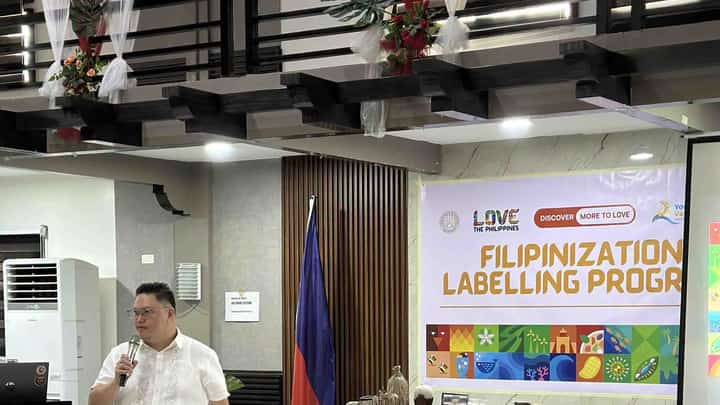
The Department of Tourism (DOT) Region 2 and the provincial government of Nueva Vizcaya have launched a pilot program encouraging tourism establishments to incorporate Filipino culture, traditions and identity into their facilities and services.
The two-day Filipinization Labelling Program, held on 20 and 21 October at Wilwin Hotel in Bayombong, gathered representatives of DOT-accredited accommodation establishments and other tourism stakeholders to discuss ways of integrating Filipino heritage into tourism operations.
The voluntary branding initiative promotes the use of Filipino cultural elements in architecture and interior design, cuisine, music, performances and business practices to strengthen the identity of tourism destinations.
Nueva Vizcaya Governor Jose V. Gambito and DOT Region 2 Director Troy Alexander G. Miano underscored the importance of preserving Filipino heritage as part of sustainable tourism development during the opening program.
Kristine A. Wandagan, a tourism operations officer of DOT Region 2, discussed the Filipinization indicators under the 2024 National Accommodation Standards, including the program's requirements, assessment procedures and certification process.
The capacity-building sessions covered Filipino arts and design, culinary heritage, and traditional music and performances.
Architect Reybert C. Quirolgico discussed incorporating Filipino artistic expressions and traditional design elements into accommodation facilities, while Chef Cornelio “Cocoy” C. Ventura III highlighted the role of local ingredients, traditional dishes and regional cuisines in promoting a destination's identity.
Kendrick John C. Vila, meanwhile, led a session on Filipino music and performance, emphasizing how cultural expressions can enrich tourism experiences. The Ari Tau Folkloric Society also participated in the activity, showcasing the contribution of cultural groups to preserving local traditions.
Participating establishments were encouraged to assess their existing operations against the program's indicators and identify areas for improvement before seeking certification.
The discussions also covered key requirements, including Department of Tourism accreditation, the Filipino Brand of Service Excellence, cultural sensitivity and the proper practice of the Mabuhay Gesture.
DOT Region 2 and the provincial government said the initiative seeks to make Filipino culture more visible in the tourism industry while encouraging businesses to offer experiences that reflect the country's traditions and values.
The program also aims to strengthen cooperation among government agencies, tourism enterprises and cultural organizations, while creating opportunities for local communities to benefit from tourism development.
The activity concluded with the awarding of certificates to participants, led by DOT Region 2 Assistant Regional Director Lelia E. Blancaflor.
The pilot implementation forms part of the department's efforts under the Love the Philippines campaign to strengthen regional tourism identity and promote the country's cultural heritage through the hospitality industry.