
Ilocos Norte ramps up water, farm preparations for El Niño

Water catchment systems, deep-well drilling and the rehabilitation of irrigation facilities are among the measures being undertaken by the provincial government as it prepares for a potentially severe El Niño, backed by an allocation of around P60 million.
The Provincial Engineering Office, in coordination with the Ilocos Norte Water District, is working on deep wells reaching approximately 120 meters to help secure water supplies, particularly for public hospitals that could face shortages during prolonged dry spells.
Water catchment systems are also being installed at Bureau of Fire Protection stations across the province’s 21 municipalities and two cities, as well as in 37 schools and district hospitals experiencing water supply problems.
Provincial Disaster Risk Reduction and Management Office head Marcell Tabije reported the ongoing initiatives during a Management Committee meeting at the Governor’s Office on Monday.
The provincial government is also repairing small water impounding projects and constructing additional small farm reservoirs to help sustain irrigation when rainfall becomes scarce.
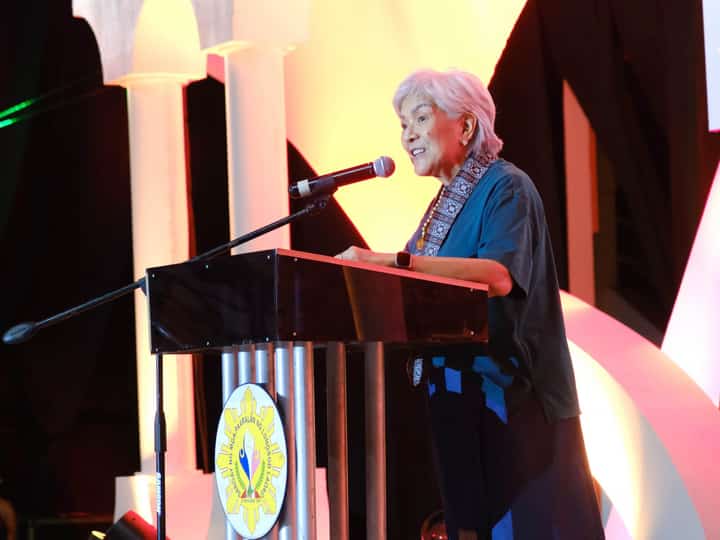
For the agriculture sector, Gov. Cecilia Araneta-Marcos said the Provincial Agriculture Office had been directed to prepare around P1 million in fuel assistance for farmers and provide early-maturing seeds and seedlings.
Farmers are also being encouraged to plant drought-resistant crops, including mung beans, corn and other lowland vegetables, to minimize potential losses from prolonged dry conditions.
Araneta-Marcos said the province was organizing a task force to coordinate preparations among government offices and concerned agencies, monitor water availability and determine appropriate interventions.
During a press conference on Monday, the governor emphasized the need to prepare for possible water shortages and ensure that essential needs are met, even as the severity of the anticipated dry spell remains uncertain.