
BSP survey shows few Pinoys prepared for financial crises

Less than a third of Filipino adults hold sufficient savings to navigate sudden financial shocks, highlighting broad economic vulnerability as microinsurance providers expand low-cost coverage, central bank survey data shows.
Findings from the Bangko Sentral ng Pilipinas 2025 Consumer Finance and Inclusion Survey revealed that only 30 percent of Filipino adults reported having existing savings or finances capable of absorbing unexpected expenses.
The study further indicated that 48 percent of respondents faced severe difficulty in mobilizing emergency funds during personal crises.
The survey metrics underline persistent hurdles to national financial inclusion, prompting non-bank financial institutions to scale up accessible credit and emergency microinsurance products.
Cebuana Lhuillier president and CEO Jean Henri Lhuillier stated that institutional preparedness must extend beyond emergency supplies to include financial safety nets.
He noted that financial protection remains a critical component of household resilience, adding that the firm aims to simplify insurance coverage to encourage pre-crisis adoption among working-class families.
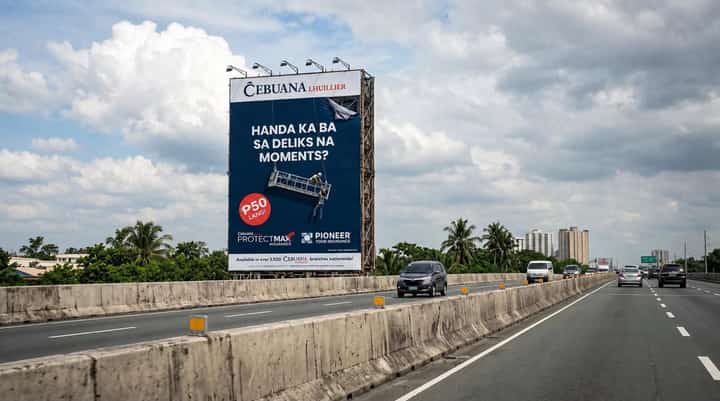
To address the coverage gap, the financial services firm expanded availability for its ProtectMax microinsurance policy, which provides four months of coverage for a P50 premium to individuals between 7 and 70 years old without requiring preliminary medical examinations.
The microinsurance policy covers accidental death, natural death, fire damage, unprovoked assault, and emergency medical treatment costs, with policyholders allowed up to five active plans.
Meantime, Cebuana Lhuillier Insurance Brokers general manager Isagani Acosta said the program removes cost and accessibility barriers by offering products across 3,500 retail branches nationwide, integrating microinsurance into routine financial planning for low-income households.
Financial analysts note that informal microinsurance products increasingly serve as primary safety nets for Filipino families facing commuting accidents, sudden illnesses, property fires, and personal security incidents, mitigating the need for high-interest informal loans during emergencies.