
Shot Philippine Eagle rescued, recovering
Veterinary surgeons removed three pellets from its body.

A female Philippine Eagle shot with an air gun was rescued in the town of Magpet, Cotabato on 27 September 2026.
Three pellets were found lodged deep within the bird’s body and removed, according to the Philippine Eagle Foundation (PEF).
The animal was taken to the Community Environment and Natural Resources Office and was immediately surrendered to the PEF for immediate medical attention.
In a statement, the PEF said the endangered raptor’s injury was serious, but the animal survived. Veterinary surgeons removed the three pellets from its body.
The bird will continue its recovery inside the foundation’s facility before it is returned to its natural habitat.
The bird was named “Magpet,” after the village where she was found.
Magpet is part of an old Philippine Eagle nesting territory, with nesting records going back as early as 1983.
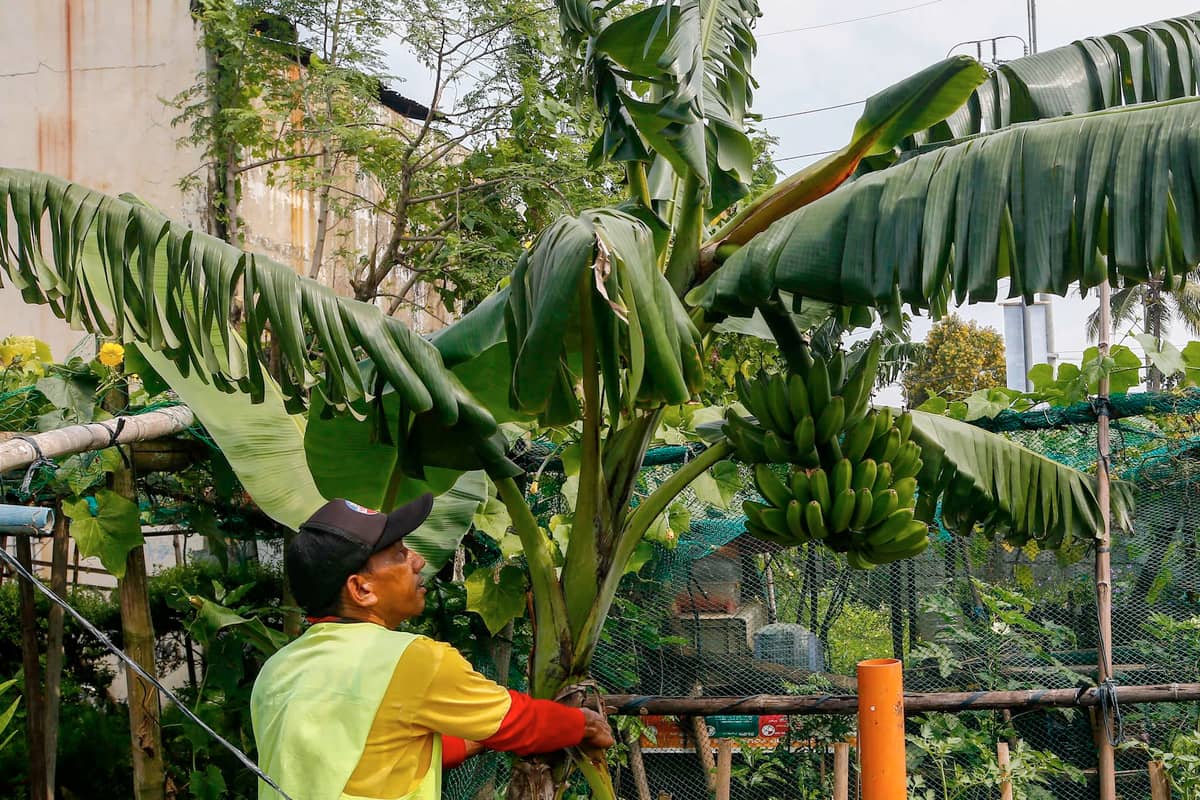
BANANAS grow from the fruit and vegetable garden of the Metropolitan Manila Development Authority plant nursery in Navotas City on 2 October 2026. MMDA personnel, like Nelson dela Umbrea, take care of the garden where flowers deployed in center islands across the metropolis are also grown.
Photograph by Toto Lozano for DAILY TRIBUNE
The last confirmed nesting record in the area was in 1990, when an eaglet was verified at the nest.
After that, there were no more confirmed nesting records for many years.
The rescue area lies within the greater Mt. Apo Key Biodiversity Area, which covers around 100,000 hectares of forest.
Within this larger landscape are 10 ancient Philippine Eagle nest sites, including the old nesting area near the rescue site.