
Renting vs. Buying in 2026: Why young professionals are rewriting the rules


STUDIO N in Filinvest City is the last studio condominium in the area, now Ready for Occupancy, offering a prime location within Northgate Cyberzone that brings you closer to lifesty.
Renting long offered millennials and Gen Z flexibility, lower upfront costs and career agility. But as incomes stabilize and priorities shift, many are asking: Does renting still make sense, or does ownership offer greater long-term value?
The answer isn’t just about monthly living expenses — it’s about where your money actually goes and the lasting equity it can build over time.
Renting pays for a place to live
Both renters and buyers make monthly payments, but the end results are entirely different. Renting provides temporary housing that stops generating value the moment your lease ends. Homeownership, by contrast, turns those same recurring payments into equity in a tangible, long-term asset.
Many prospective buyers delay purchasing because they assume they need the full purchase price upfront. In reality, bank loans spread costs over time, making ownership far more accessible than expected. A housing loan acts as a strategic wealth-building tool rather than just a financial burden, locking in property value early and providing long-term stability. Beyond serving as a primary residence today, a home can also become an income-generating asset in the future.
For young professionals with stable incomes, the real question is no longer “Can I save enough to buy someday?” but “What am I losing by continuing to rent?”
Long-term aspirations meet practical living at Studio N
For many aspiring homeowners, achieving future life goals begins with making smart choices today.
Studio N reflects this reality by offering a home that combines convenience, accessibility and opportunities for long-term growth within one of Metro South’s most established business districts. As the latest studio condominium project within Filinvest City, it allows residents to enjoy the benefits of connected urban living while building value for the years ahead.
Studio N’s strategic location in Northgate Cyberzone, the PEZA-accredited hub with a thriving community of offices and businesses, places residents closer to work, commerce and daily essentials, helping reduce commutes while strengthening the property’s appeal for both end-users and investors.
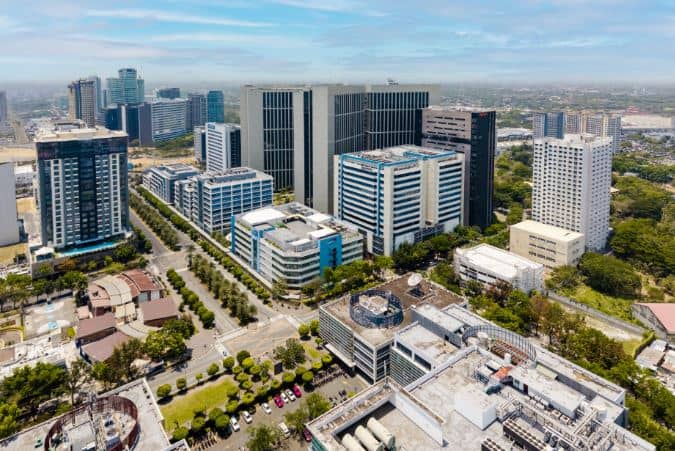
NORTHGATE Cyberzone, Alabang, emerges as the thriving business district in Metro South, where towers rise alongside established residential communities.
Located within Filinvest City’s live-work-play environment, the development places residents just a short walk from key destinations such as the Northgate Cyberzone IT Park, Axis Plaza Garden, Festival Mall, Westgate Center and South Supermarket. The master-planned city embodies the 15-minute lifestyle concept, where business, leisure and essential services are all within easy reach.
Its approach to modern city living was recently recognized with the Excellence in Urban Living award at the Philippines Real Estate Awards 2026, underscoring its appeal to today’s young professionals and first-time homeowners.
Owning starts early with an RFO home
Unlike pre-selling developments that require years of waiting before turnover, Studio N is now ready for occupancy. This allows owners to start living in their units sooner, with the added flexibility to explore leasing opportunities in the future.
Studio N’s thoughtfully space-planned, semi-furnished units further reduce the barriers to ownership. Standard features include smart front door access, a bunk bed with mattresses, branded kitchen cabinets and closets, a study table and essential bathroom fixtures, helping homeowners avoid many of the additional costs associated with setting up a new residence.
Its monthly amortizations starting at around P15,000 further reinforce the fact that the cost of ownership can be more accessible than expected.