
Solon blasts BSP chief over ‘mayabang tayo’ comment

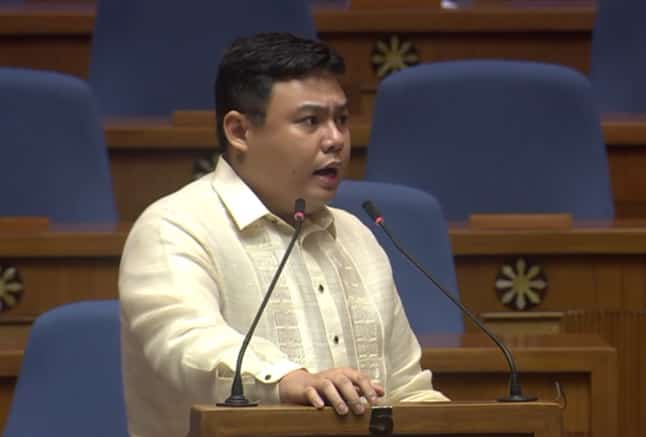
Kamanggagawa party-list Rep. Eli San Fernando criticized Bangko Sentral ng Pilipinas Governor Eli Remolona Jr. over his remarks linking the peso’s weakness to the country’s low savings and “consumption culture.”
“You know this type of statement is very irresponsible coming from an official that gets his wages from workers and the ordinary Filipino,” San Fernando said during deliberations on the proposed budget of the Department of Social Welfare and Development.
“We are challenging the BSP Governor for him to try living the life of a worker, a minimum wage earner. He should head outside of his office to see that his statements are far from reality,” he added.
San Fernando said Remolona should not blame ordinary Filipinos for the peso’s decline, arguing that many low-income families are already struggling to meet basic needs.
“Take note, this is coming from the highest paid public official in our land, earning 52 million pesos at least per year,” he said.
Commission on Audit records show Remolona received P52.76 million in salaries, allowances and other compensation in 2025, making him the highest-paid non-elected government official that year.
Speaking for the DSWD as budget sponsor, Guimaras Rep. JC Rahman Nava said the agency did not share the view that poor Filipinos were overspending.
“The Department does not agree with that position, your Honor. In fact, it was observed at the Department that Filipinos, particularly the poor Filipinos, those that are clients of the Department are struggling so much to find their way to have a better life,” Nava said.
Remolona made the remarks during Senate deliberations on the proposed 2027 national budget while explaining the country’s persistent current-account deficit.
“Medyo mahirap sabihin ’to pero mayabang tayo. May consumption culture,” Remolona said.
He explained that the Philippines invests more than it saves, requiring the country to borrow from abroad to finance the gap.
“Mas malaki ’yung investments kaysa savings e. Para ma-finance ’yun, uutang tayo abroad,” Remolona said.
He also said stronger savings would be part of the long-term solution to pressure on the peso.
Economists and later commentary noted that Remolona was referring to consumption and savings at the economy-wide level rather than describing every Filipino household individually.