
Fluke, not failure
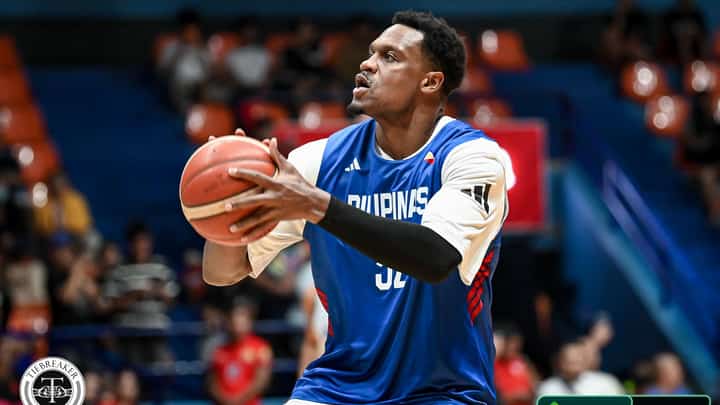
The debacle of Gilas Pilipinas in the 20th Asian Games was an inevitable fluke, much like its gold medal in Hangzhou was a heaven-sent miracle. Both were outliers. Now, the country needs to resist the temptation of overcorrecting on the back of one bad tournament and, instead, read the moment for what it actually is: a governance problem wearing a basketball jersey.
Sending a squad composed of Philippine Basketball Association players without a reinforcement was never the plan — it was the dead weight option handed to Gilas by circumstance.
The unavailability of Justin Brownlee and Bennie Boatwright and other key players wasn’t a strategic choice; it was an unfortunate calamity of timing, contracts, and competing calendars colliding at the worst possible moment. When your best options are boxed out by scheduling conflicts, club obligations, or eligibility technicalities, you don’t get to field your best team — you get to field whoever’s left standing.
That’s not a talent problem. That’s a planning problem.
And this is where the harder truth sits: the talent pool that can actually suit up for Gilas is immense. One doesn’t need to look far — the University Athletic Association of the Philippines and the National Collegiate Athletic Association are teeming with players who, given the right development pipeline and the right administrative window, could be wearing the national colors.
The issue was never a shortage of Filipino basketball talent. It was a shortage of institutional foresight in matching that talent to the moment it was needed.
Preparation wins half the battle, and it isn’t just about drills, scrimmages, or training camps. It’s administrative clockwork; the unglamorous, unsexy business of making sure release windows, naturalization paperwork, insurance clearances, and player commitments are locked in months — not weeks — ahead of a crucial tournament.
It’s about building redundancy into the player pool so that when a Brownlee-caliber piece becomes unavailable, there’s already a bench of contingencies rather than a mad scramble for a last-minute replacement.
Sports federations all over the world live and die by this kind of unglamorous administrative diligence, and Philippine basketball just got a very public, very painful wake-up lesson.
This tragedy was a gut punch for every stakeholder in the sport — from the Samahang Basketbol ng Pilipinas down to the grassroots programs that feed it.
But painful lessons, if actually absorbed, are the raw materials of institutional maturity. The dream hasn’t died with one bad outing.
The dream — a proven, repeatable system for calling up the best available players at any given time to represent Gilas, regardless of which league, which contract cycle, or which naturalization case happens to be in motion — still continues.
That system doesn’t get built by nostalgia for 2023 or panic over 2026. It gets built by treating national team management as the serious administrative discipline it is, and not just an afterthought bolted on to a busy pro season.
The miracle and the fluke were both symptoms of the same underlying reality: we’ve been improvising all this time when we should have been engineering. Coaches improvise to win games while teams are engineered to clinch championships.