
Another failed budget
When lawmakers control the purse while campaigning for another term, they are tempted to make the budget work for the ballot box.
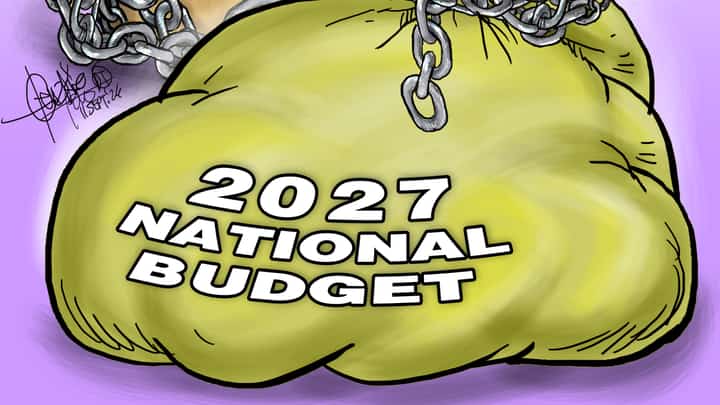
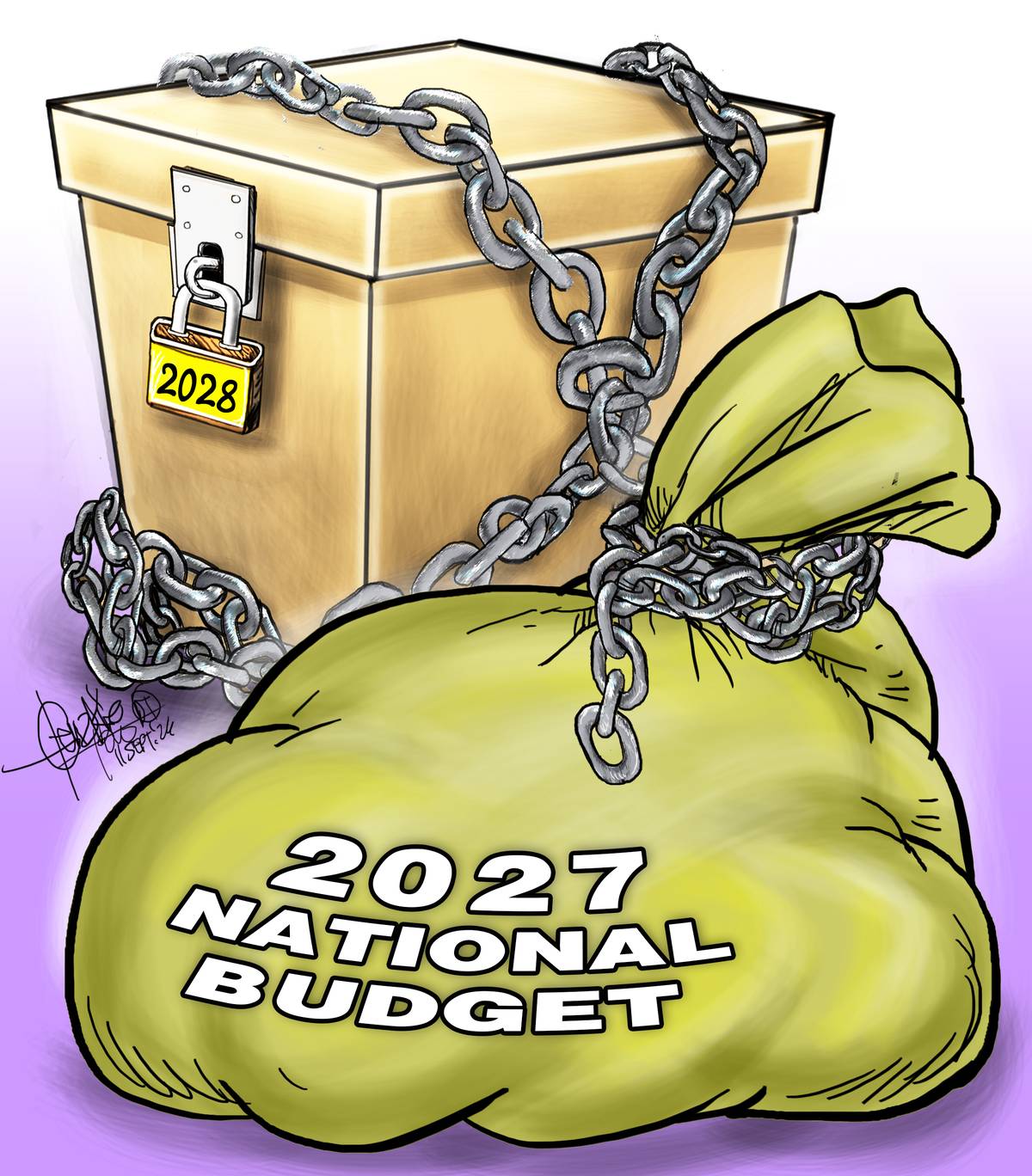
Some of the worst fears about the 2027 pre-election national budget have surfaced in recent congressional discussions and scrutiny of the P7.2-trillion National Expenditure Program (NEP).
While the 2025 budget is considered the most corrupt ever, its 2027 counterpart comes close and may even surpass the notoriety once Congress is through with it.
The money is not going where the people need it most, but where the lawmakers need it most — toward their reelection.
An artificial surge in economic activity is likely during the election year as government funds are repeatedly channeled into the country’s most consequential political exercise. Congress writes the budget, and its members also run for office. The two roles collide, creating a built-in conflict that can bend the budget toward votes rather than the public welfare.
When lawmakers control the purse while campaigning for another term, they are tempted to make the budget work for the ballot box.
The clearest proof is the Local Government Support Fund (LGSF). In past years, this fund stayed under P20 billion, but under the 2027 NEP, the executive proposed nearly P60 billion.
The spike in the allocations was not the result of local governments suddenly tripling the services they render but because 2028 is an election year.
Lawmakers want multi-purpose buildings with their names on the cornerstone and social aid programs, or ayuda, that voters will remember at the ballot box.
The different types of social amelioration funds supposedly carry a menu of allowed uses, but in practice, they are straight-up cash doles.
No one strictly accounts for where the money lands. They are lump sums disguised under several programs without a clear public purpose, controlled by the officials who would benefit most from spending it visibly and quickly.
The Supreme Court already ruled on lump-sum discretionary funds. In 2013, the Court struck down the Priority Development Assistance Fund, the old pork barrel, as unconstitutional. The ruling said lawmakers cannot control post-enactment spending because it violates the separation of powers provision of the Constitution.
Congress should pass laws, not decide which contractor gets which project in which district.
Yet the practice resurfaces yearly under different names. It moved into items like the LGSF, Unprogrammed Appropriations (UA), confidential and intelligence funds, and other line items with vague titles and wide discretion.
The flood control scandal now under investigation traces back to exactly this pattern. Funds meant for infrastructure became conduits for kickbacks and ghost projects, spread across years and administrations, hidden behind budget gobbledygook.
The backdrop makes this worse. Roughly two-fifths of the national budget is automatically appropriated to local government units through the national tax allotment, and to debt interest payments, which alone will exceed P1 trillion.
That leaves a smaller pool of fiscal space, and education still has urgent gaps. The reading program for struggling students has lost its dedicated funding, and teacher hiring lags. Health care still runs on guarantee letters, forcing patients to beg local politicians for money before they can get treated.
Meanwhile, civil society groups that show up at budget hearings get three minutes to speak, then are left to watch as plenary sessions roll on without them.
Divide the entire budget by the population, and each Filipino’s share amounts to roughly P63,000 a year — enough, in aggregate, to build real schools, strengthen clinics, and construct roads capable of surviving a single rainy season.
Instead, a significant slice appears to finance campaign infrastructure dressed up as public works.
Revise the 2027 NEP to reflect the needs of the next generation of Filipinos and not the next elections.