




Juvenile dugong found on Liwagao Island

Text size
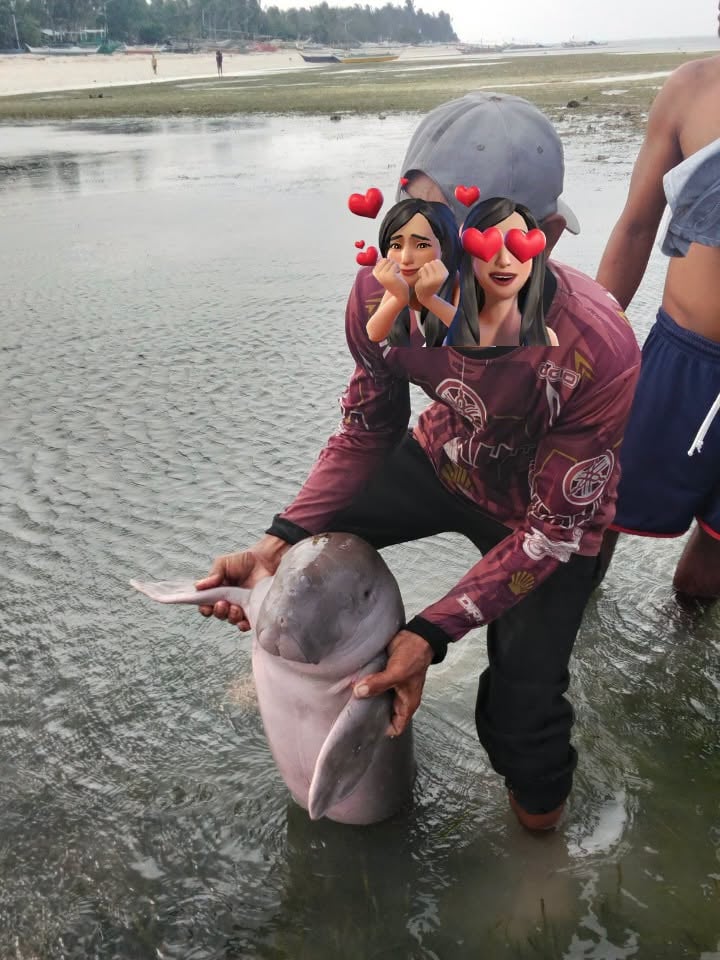
A juvenile endangered sea cow (Dugong dugon) was discovered stranded during low tide near the shores of Liwagao Islang at Barangay Sibolo in the town of Caluya, Antique in the morning of 6 September 2026.
According to a post by Love Antique, Philippines, some concerned residents rushed to the area and helped the dugong get back into the sea. The social media platform reminded residents not to touch, disturb, or approach stranded dugongs and other marine wildlife.
The page also urged netizens to immediately report sightings of distressed animals to the proper authorities, and continue protecting Antique’s precious marine wildlife.
Meanwhile, another dugong was found dead along the coast of Barangay Aras-Asan, Sebaste, Antique, in the morning of 7 September, with authorities immediately responded to the area and examined the animal to help determine the possible cause of death and ensure its proper handling.
The incident comes amid continuing efforts to protect and conserve dugongs and other marine wildlife in Antique.
The dugong is a large, gentle marine mammal often referred to as the “sea cow” due to its habit of grazing on underwater seagrass meadows. It belongs to the order Sirenia and is the only strictly herbivorous marine mammal in existence.
Dugongs are incredibly peaceful, slow-moving, and shy animals. They spend the majority of their lives in shallow coastal waters where they can feed comfortably. An adult dugong can consume up to 40 to 50 kilograms of seagrass daily, often pulling up the whole plant, including the nutrient-dense roots.
Housing is probably the biggest issue affecting people the world over.
Malacañang on Monday called for a more thorough investigation into the questioned flood control projects in Taguig…
The defense on Monday backed the move by senator-judges to exclude a prosecution witness who testified on the firearms…
