




What to eat if you have gastro
Staying hydrated and eating suitable foods can help support your recovery and help you feel better sooner.

Text size
Share
Staying hydrated and eating suitable foods can help support your recovery and help you feel better sooner.
Share
Nourish your body with food that make you feel good.
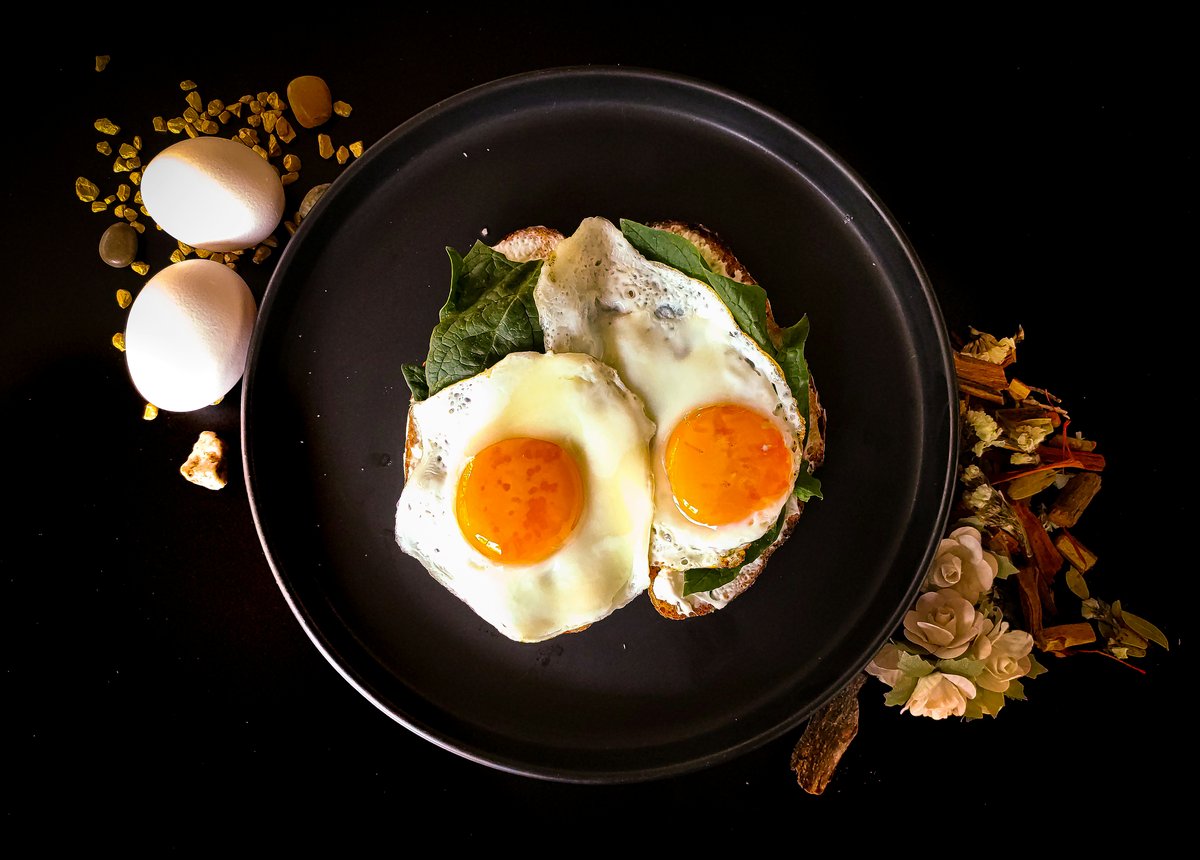
Photograph courtesy of Unsplash/olga-kudriavtseva
SAVOR the moment, one cup at a time.
Photograph courtesy of Unsplash/nathan dumlao
When you have gastro, your stomach and intestines can become irritated, causing symptoms such as diarrhea, vomiting, nausea, stomach cramps and loss of appetite. Particularly during periods of flooding, heavy downpours, and humid weather — which create conditions that make food and water contamination more likely — it is common for your stomach to act up. During this time, it is important to eat foods that are gentle on your stomach and drink enough fluids to help your body recover.
The first thing to focus on is staying hydrated. Drink plenty of water, oral rehydration solution (ORS) and clear soups or broth. If you feel sick or are vomiting, take small sips frequently instead of drinking a lot at once. This can help your body replace the fluids and electrolytes lost through vomiting and diarrhea.
When you feel ready to eat, start with small portions of light and easy-to-digest foods. Rice, porridge, bananas, toast, crackers, oatmeal, boiled potatoes and plain noodles are good choices. You can also slowly add plain chicken, fish, or eggs when your appetite improves. Eating smaller meals throughout the day may be easier on your stomach than having one large meal.
While recovering, try to avoid greasy, fried, spicy and very sugary foods because they may make stomach discomfort or diarrhea worse. It is also best to avoid alcohol and limit caffeinated drinks such as coffee and energy drinks. Some people may temporarily have trouble digesting milk and other dairy products, so it is helpful to avoid them if they make your symptoms worse.
As your symptoms improve, gradually return to your usual meals. You do not need to eat only bland foods for a long time. Listen to your body and introduce different foods slowly as you start feeling better.
Most cases of gastro improve with rest, fluids and proper food choices. However, if you have severe dehydration, persistent vomiting, severe stomach pain, blood in your vomit or stool, or symptoms that are getting worse, seek medical attention. Staying hydrated and eating suitable foods can help support your recovery and help you feel better sooner.
