
Death didn’t free Mali
Exploited even in death, the Philippines is making sure no one will dethrone Mali from being the "world's saddest elephant."

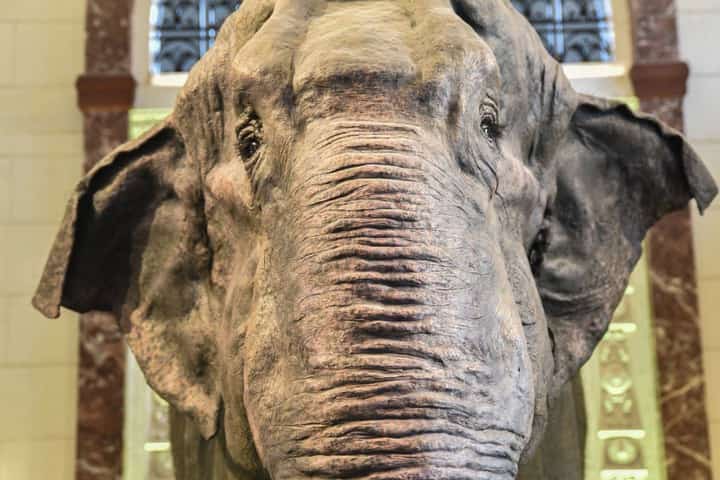
Decades of concrete walls couldn't keep Mali confined to just her lifetime. Even in death, the Philippines' famous elephant remains on display, cementing her tragic legacy as the “world's saddest elephant.”
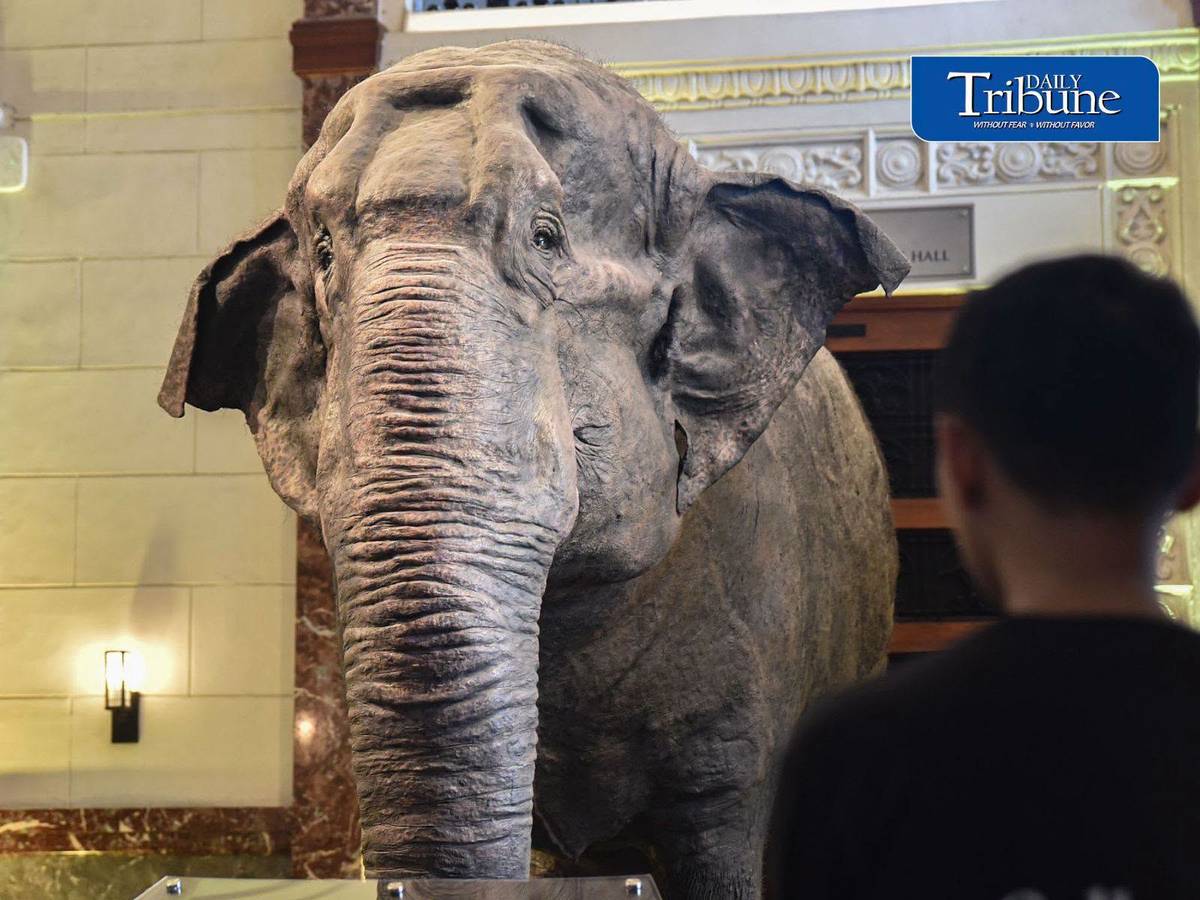
In a Facebook post on Thursday, Aug. 27, the Department of Tourism, Culture and Arts of Manila shared the official debut of Mali’s taxidermied body at the National Museum of Natural History, displayed to “honor” the late elephant.
“SI MA’ALI 🐘 SA BAGO NITONG TAHANAN,” the post read, accompanied by photos of the preserved mammal.
Instead of celebration, the announcement triggered a wave of public backlash.
The comment section quickly filled with grief and indignation rather than awe, with users expressing sympathy for Mali’s restless afterlife.
"Kawawa naman tong elepante na to hanggang sa kamatayan ginawa parin siyang palamuti," (Poor elephant, even in death she is still used as a decoration), one Facebook user wrote.
Zedrich Xylak Madrid
Mali’s story began in 1977, when the Sri Lankan government gifted the young, allegedly orphaned wild elephant to former First Lady Imelda Marcos as a diplomatic token of friendship.
From that moment until her final breath, her world shrank to the boundaries of the Manila Zoo.
Wildlife experts have long noted that elephants—especially females—are deeply communal animals that thrive in complex matriarchal herds.
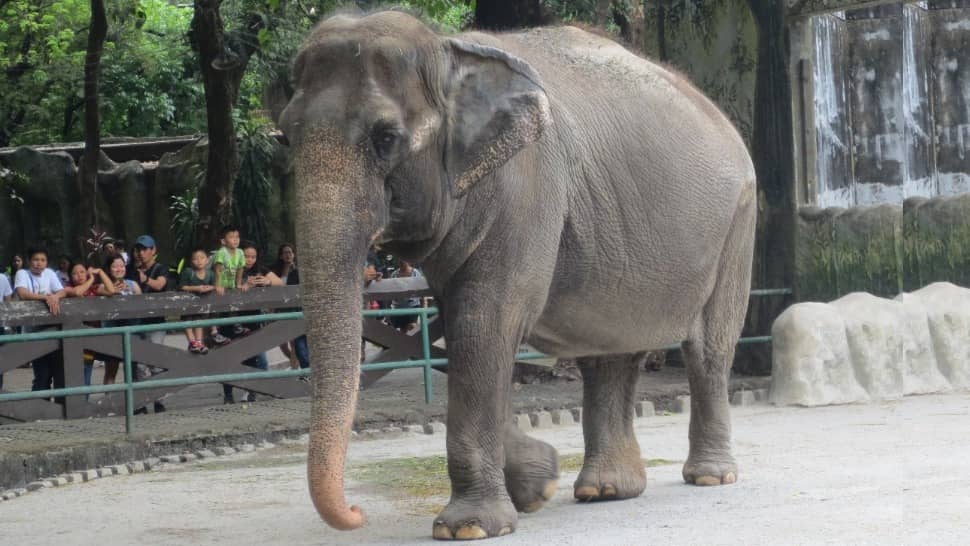
Photo courtesy of Wikimedia Commons
Mali, however, spent nearly 50 years in solitary confinement, a prisoner of public entertainment.
Over the decades, advocates repeatedly raised alarms as she was reported to exhibit classic signs of severe depression and psychological distress, pacing her enclosure in a perpetual loop of isolation.
When Mali finally succumbed to congestive heart failure in November 2023, animal welfare advocates hoped her suffering had ended.
Instead, the controversy surrounding her body suggests that for Mali, the indignity continues.
While her taxidermied body now greets museum-goers in Manila, her skeletal remains were sent to Davao for separate preservation—ensuring that even in pieces, the elephant who spent a lifetime alone can never truly rest.