
DPWH, agencies meet on Pampanga bulk water project

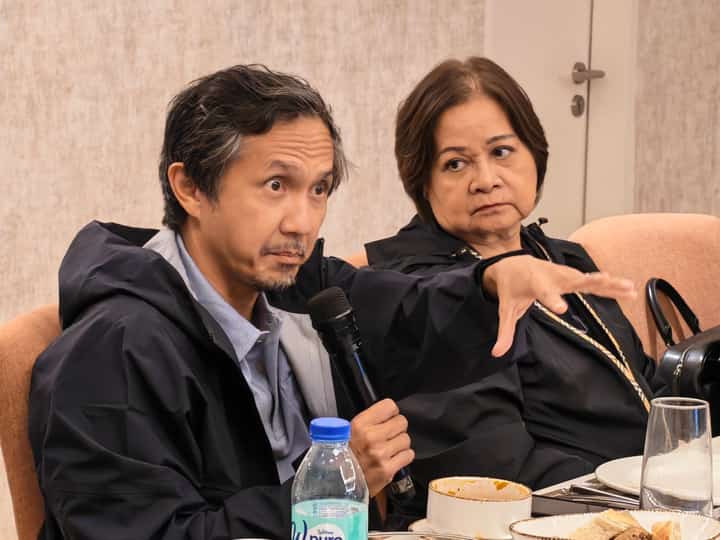
Clark Freeport — The Department of Public Works and Highways (DPWH) conducted an Interagency Meeting for Bulk Water Project in Pampanga at the Amare Restaurant in Royce Hotel here on 28 August 2026.
The said meeting was led by Public Works Secretary Vince Dizon and aims to address the current flooding situation that the Province of Pampanga is facing.
Governor Lilia "Nanay" Piñeda, and officials from various national government agencies, as well as foreign consultants were all present during the meeting.
A proposal was made for the Central Luzon Pampanga River Floodway that will make the San Antonio Swamp in Nueva Ecija as a Retarding Basin System; Candaba Swamp-Pocket Retention Basins; Utilization of Oxbow Lakes; Address the 15km bottleneck in the lower Pampanga; and Floodway plus Mangrove systems.
The said Central Luzon Pampanga River Floodway can be completed by November of next year.
Another proposal is the Adopt a River Basin Approach that considers the entire watershed, from ridge to reef. The said approach would interconnect flood risks from upstream to downstream. This also include basin-wide planning that will help avoid transferring flood risks to neighboring communities.
Secretary Dizon said that the President has instructed the DPWH to fund five sabo dams in Nueva Ecija. Sabo dams are specialized erosion and sediment-control barriers built across mountain streams to trap rocks, soil, and debris while slowing fast-moving water.