
Chips, Chismis and Choice: More on Pax Silica (2)
If managed with sovereign clarity, transparent governance, and strong environmental protections, Pax Silica can help power the Philippines’ next industrial development.
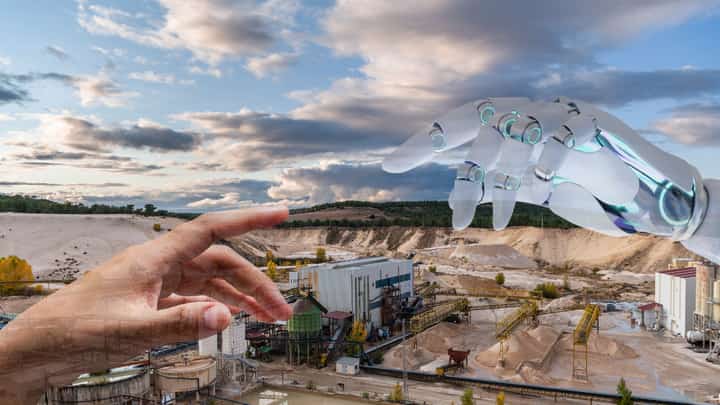
Part Two: The Price Tag — Ecological Scars, Geopolitics and Sovereign Guardrails
While the economic potential of Pax Silica makes for appealing press releases, effective governance requires examining the fine print. High-value industrial upgrades rarely come without a price tag, and for the Philippines, two major challenges loom large: environmental impact and geopolitical risk.
The environmental and resource reality
First, consider our natural resources. Extracting and refining critical minerals like nickel and copper is an energy- and water-intensive enterprise. Advanced semiconductor facilities and large data centers require uninterrupted power and massive amounts of clean water for cooling and processing.
Early projections for the New Clark City industrial zone estimate daily demands reaching tens of millions of liters of water and gigawatts of power. In a nation already struggling with seasonal water scarcity, power grid alerts and high electricity tariffs, where will those resources come from?
Without strict environmental oversight and sustainable infrastructure planning, heavy extraction and manufacturing pose real risks: a) potential deforestation and topsoil erosion in mining regions; b) strain on municipal water tables shared by agricultural communities; c) toxic run-off threatening local rivers, coastal fishing grounds, and ancestral lands; and d) a high-tech supply chain is of little benefit if it leaves local communities with degraded environments and depleted natural resources.
Caught in the Geopolitical Crossfire
Second, we must navigate the geopolitical terrain. Pax Silica is openly designed to secure critical technology chains among allied nations, explicitly reducing reliance on foreign rivals in key sectors. By embedding our economic nodes — such as Subic Port and Clark — so closely into this allied network, the Philippines inevitably takes on a specific strategic role.
If tensions escalate in the Indo-Pacific, our industrial hubs, shipping routes and digital infrastructure could become prime economic or cyber targets. Aligning with global tech supply chains offers real advantages, but it also means stepping directly into global power dynamics.
The path forward: Strong institutions and national vision
Pax Silica is neither inherently an absolute blessing nor an unavoidable trap — it is an arena of trade-offs. From a public administration lens, the ultimate outcome depends on our national capability and institutional discipline.
To ensure this initiative genuinely serves Juan and Maria, our leadership must establish firm policy guardrails:
Enforce Environmental Protections. Enforce strict environmental compliance on all locator firms and mining operations. Sustainable water recycling and dedicated renewable energy setups must be mandatory for heavy industrial users.
Mandate Real Technology Transfer. Require foreign locators to train and upskill Filipino workers, engineers, and researchers, ensuring local talent develops core capabilities rather than just performing assembly work.
Protect Local Communities. Ensure local government units and indigenous populations receive fair revenues, community protections and genuine consultation before major developments proceed.
If managed with sovereign clarity, transparent governance, and strong environmental protections, Pax Silica can help power the Philippines’ next industrial development. But if we act merely as passive hosts, we risk bearing the burden of environmental degradation and strategic vulnerability while foreign partners claim the rewards.
The choice, as always, comes down to how well we govern our own home.